The Laundry Day My Kids Learned the Difference Between Helping and Rushing
Somewhere between the second basket of socks and the moment I stepped on a tiny plastic dinosaur that absolutely did not belong in the laundry room, I realized I was doing that thing again. You know the thing. I was trying to turn a regular weekday into a “productive, efficient, responsible” day, while my kids…
Somewhere between the second basket of socks and the moment I stepped on a tiny plastic dinosaur that absolutely did not belong in the laundry room, I realized I was doing that thing again. You know the thing. I was trying to turn a regular weekday into a “productive, efficient, responsible” day, while my kids were simply trying to exist near me with their own ideas of what helping should look like.
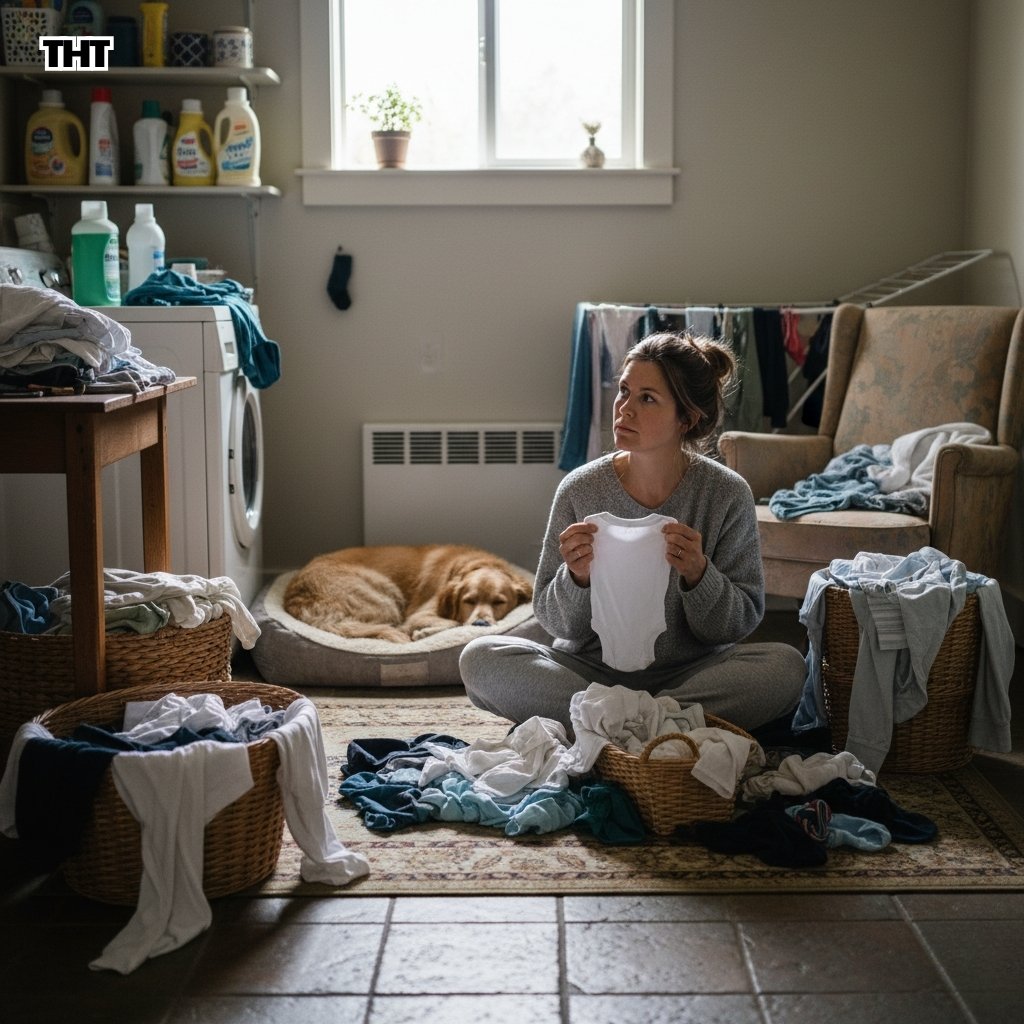
It was a gray Portland afternoon, the kind where the sky looks like it is pressed down low and the whole house feels a little sleepier than it did in the morning. The dog, Juniper, had already claimed her spot by the heat vent, and I had promised myself I would do laundry before dinner so we would not be digging through baskets for clean pajamas later. Chris was still at work, and I had both kids home because Nora had an early release day and Miles was in that bouncing-off-the-couch mood that tends to show up right when I need the house to run smoothly.
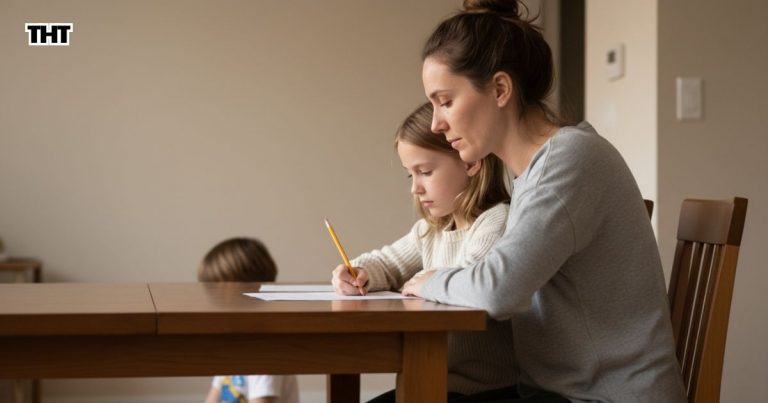
Nora wandered into the hallway where I had set up the laundry piles and asked, in a perfectly polite voice, “Do you want help?”
Miles heard the word help and interpreted it as an invitation to sprint into the room like a human tornado. He appeared beside me with wide eyes and a kind of chaotic optimism that always makes me laugh and brace myself at the same time.
“I can do it,” he announced, already grabbing at a pile of shirts.
In that moment, I wanted to say yes because I want my kids to feel useful, and I want them to grow up believing they have real responsibilities in our home. I also wanted to say no because I could already see the future, which involved a pile of clean clothes crumpled into a basket, socks separated from their pairs, and Nora quietly withdrawing because she hates feeling like a project turned into a mess.
I said yes anyway, because I keep learning that the moment I always want to skip is usually the moment where the real lesson is waiting.
The Setup: A “Simple” Task That Was Not Simple
Laundry in our house is not glamorous, but it is the perfect shared experience because it is repetitive, unavoidable, and full of tiny opportunities to build life skills without turning it into a lecture. There are natural steps and clear outcomes. There is also plenty of room for mistakes that do not matter much in the grand scheme, which makes it a low-risk place to practice.
That day, I had four categories going on in my head, like I always do.
First, the towels and sheets pile, which is the easy one.
Second, the adult clothes, which is mostly darks and gym stuff.
Third, the kids’ clothes, which should be simple but never is because kids’ clothes come with mystery stains and occasional markers.
Fourth, the “what even is this” pile, which includes costumes, random hats, and the occasional forgotten napkin that has lived in a pocket far too long.
I had already washed and dried everything. Now it was time for folding and putting away, and that is where laundry either becomes a calm rhythm or a long argument about why no one wants to match socks.
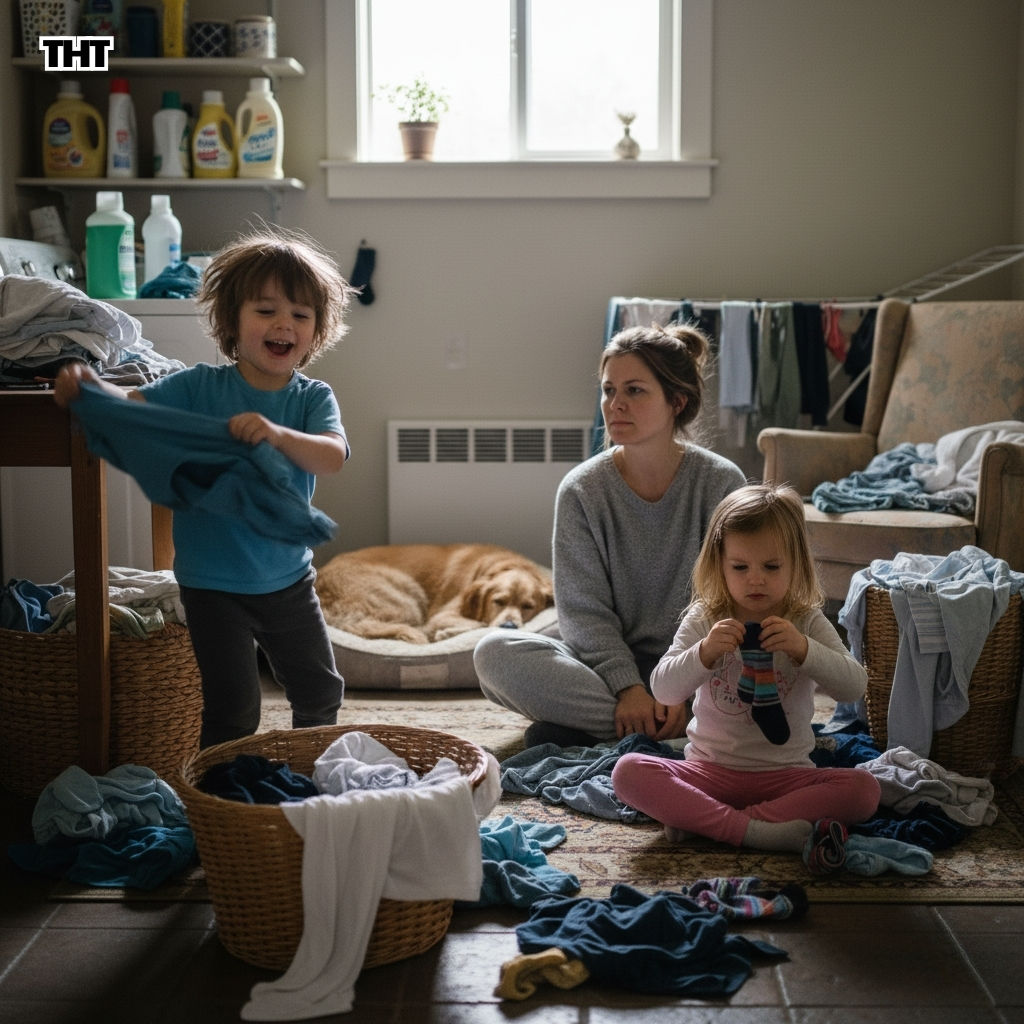
I sat on the floor with one basket and started sorting into smaller piles. Nora sat cross-legged near me and began pairing socks, carefully smoothing them before she folded them. Miles was on his knees, pulling shirts out and shaking them dramatically as if he were on some kind of laundry game show.
“Fastest folder wins,” he declared.
Nora made a face that I recognized instantly. She did not say anything, but I saw her shoulders rise slightly, as if her body was bracing for loud chaos to spill into her careful work.
I could have shut it down right there. I could have said, “No racing, this is not a competition,” and I could have tried to force calm into the room like it was a lid I could clamp down on top of them.
Instead, I decided to observe for a minute, because I have learned that stepping in too early can turn a normal kid moment into an adult-controlled performance.
The Crash: When “Helping” Turns Into “Hurry Up”
It did not take long.
Miles grabbed a stack of his own shirts, folded them into something that vaguely resembled triangles, and tossed them into his basket with a flourish. In his mind, he was helping because he was doing the job quickly, and he genuinely wanted the praise that comes with being useful. He looked at me with that proud, expectant grin.
“Look, Mom, I did five!”
I glanced into the basket and saw shirts folded in all different directions, sleeves poking out, collars scrunched. It was the kind of folding that looks fine until you try to put it in a drawer and the whole drawer refuses to close. It was also the kind of effort that should not be met with criticism if I wanted him to keep showing up.
I said, “You worked fast. You really did.”
Nora, still quiet, held up a pair of socks she had matched and folded perfectly. She did not say, “Look what I did,” but she looked at me anyway, and I could tell she was waiting for her effort to be seen too.
Before I could respond, Miles reached across the pile and grabbed socks from Nora’s stack.
“I can do socks too,” he said, already pulling them apart.
Nora’s face shifted. Her eyebrows pinched together, and she snapped, “Stop! You’re messing it up.”
Miles froze for half a second, then shouted back, “I’m helping!”
And there it was. That familiar argument, the one I hear in so many different forms.
I’m helping. You’re not doing it right. I’m trying. You’re being mean. I’m going faster. You’re making it worse.
I felt my own irritation rise, which is usually my first sign that I am about to make the moment about control instead of learning. I wanted a quiet laundry room. I wanted neatly folded clothes. I wanted us to get through the task without drama. I wanted everything to move quickly toward done.
But in the middle of that, I also knew this was a perfect teaching moment, if I could hold it with a steady hand instead of turning it into a scolding.
So I took a breath and did what I call my internal pause, which is basically me asking myself one question.
What do I actually want my kids to learn here?
The answer was clear.
I wanted them to learn the difference between being helpful and being rushed, because those two things look similar from the outside, but they feel very different inside a family.
The Shift: “Redo” Instead of Punishment
I scooted closer so I could be physically near the conflict rather than calling out instructions from across the room. This matters in our house. I can say the same words from the doorway and from the floor, and the floor version almost always works better because kids feel me in it with them.
I put my hand gently on the sock pile and said, “Pause. Hands off for a second.”
Miles huffed, but he stopped. Nora folded her arms, still tense.
Then I said, “Let’s get clear. Helping means the other person feels supported. Rushing means the other person feels pushed, and things get messy.”
Nora immediately nodded, like someone had translated her feelings into plain language.
Miles looked confused, so I kept going, because he is six and his brain is still building the bridge between intention and impact.
“You want to help, and I believe you,” I said. “But when you grab Nora’s socks, it doesn’t feel like help to her. It feels like you’re taking over.”
He opened his mouth to argue, so I offered him a redo instead, which is one of my favorite tools because it turns a conflict into practice.
“Try that again,” I said. “You can ask to help, and you can wait for the answer.”
Miles rolled his eyes in an exaggerated way that made Nora almost smile, and then he took a breath.
“Nora,” he said, slower this time, “can I help with socks?”
Nora considered him, still wary, because she had just watched him scatter her careful pile.
“You can help,” she said, “but you have to do it like this.”
She demonstrated her method, holding one sock flat, matching the second sock on top, smoothing them together, folding them into a neat little bundle.
Miles watched closely, which surprised me, because he often tries to avoid slow, detailed tasks.
“Okay,” he said, and then he tried.
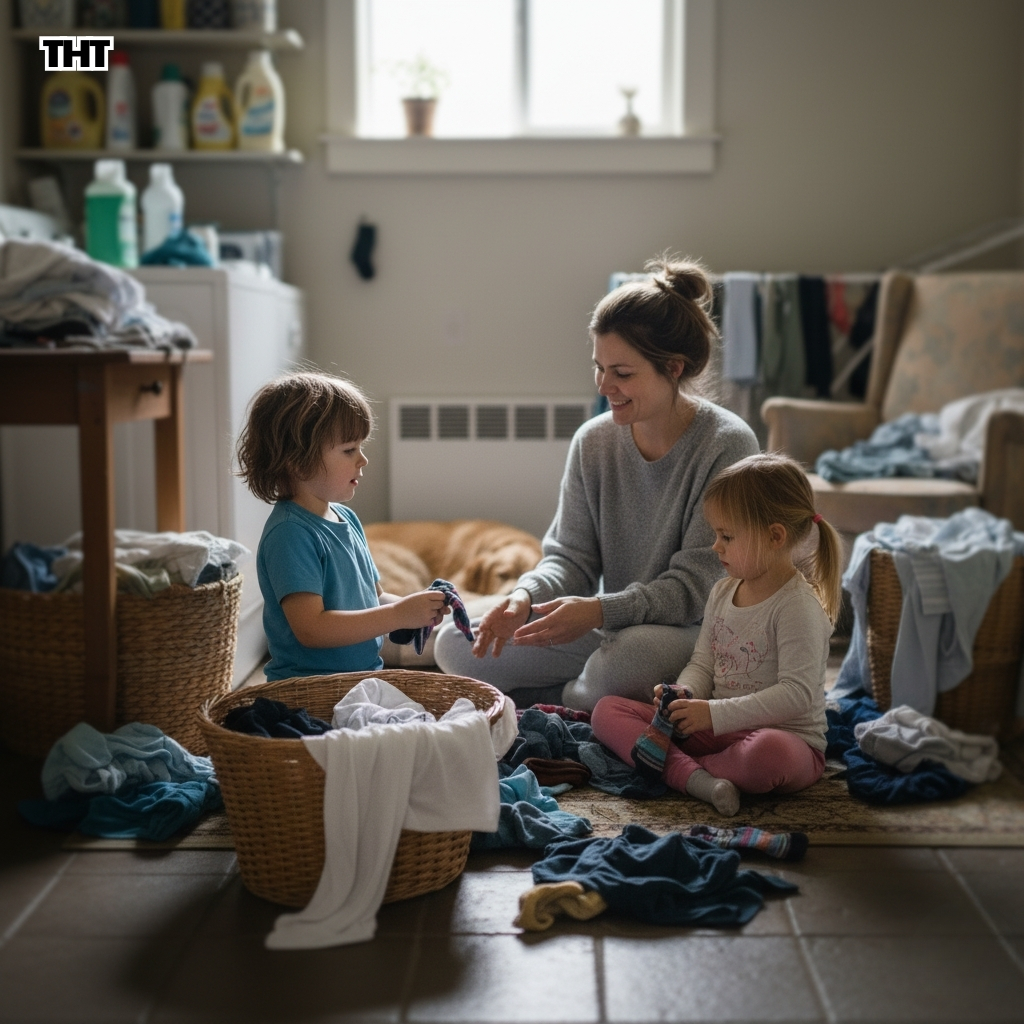
His first pair was not perfect, but it was closer. He looked at Nora for approval, and she gave him a tiny nod, which is basically a standing ovation in sibling language.
I felt my shoulders loosen, because we were back in the zone where learning could happen.
The Unexpected Lesson: Helping Is a Relationship Skill
Here is what I realized as we continued.
Laundry is not just about clothes. It is about living with other people.
When kids are young, they often think “helping” means doing something fast, or doing something big, or doing something that gets attention. They are not trying to be selfish. They are trying to feel valuable, and they do not yet understand that the best kind of help is the kind that makes life easier for someone else, not louder.
Nora, on the other hand, thinks helping means doing something correctly, and she gets stressed when things feel chaotic. Her instinct is to take control, not because she wants to boss everyone around, but because she wants the task to feel safe and predictable.
Both of them were trying to help, in their own ways.
The conflict was not about socks.
It was about two different personalities learning how to share space, share responsibility, and still feel respected.
I watched Nora soften as Miles slowed down. I watched Miles brighten as Nora treated him like a capable teammate instead of a nuisance. I watched them settle into the kind of rhythm that comes when everyone feels seen.
And I also noticed something else.
The moment I stopped trying to make laundry perfect and started using laundry as practice, the whole task became easier, not harder. It took longer, yes, but it felt better. We were not fighting the whole time. We were learning, and learning has its own kind of calm when you let it happen.
The Moment I Messed Up, So You Don’t Have To
Here’s the part I messed up, so you don’t have to.
About twenty minutes in, I got impatient.
I looked at the clock, realized dinner was still not started, and I felt that old urge to speed everything up. My voice sharpened without me meaning it to.
“Okay, hurry up,” I said, “we need to get this done.”
Immediately, I saw it. Nora’s shoulders tensed again. Miles started folding faster, which made the clothes messier, which made Nora more annoyed, which made Miles more defensive.
It was like watching dominoes fall in slow motion, and I was the one who flicked the first one.
I caught myself and did a repair, because that is part of the culture I want in our home. I want my kids to see that adults can reset too.
I said, “Pause. I’m noticing my voice got rushed. That’s on me.”
Both kids looked at me, surprised, because kids always notice your tone, but they do not always expect you to name it.
“I’m worried about time,” I continued, “and I started pushing. That doesn’t feel good. Let’s reset.”
I set a two-minute timer, which is our family’s magic trick for resetting the energy without making it a big deal.
“For two minutes,” I said, “we’re not trying to finish everything. We’re just folding steadily. When the timer ends, we’ll check what’s left and make a plan.”
The timer beeped, we checked the piles, and I adjusted my expectations. I started dinner later than I wanted, and guess what, the world did not end. We ate slightly later, and everyone survived, and no one had to go to bed wearing yesterday’s shirt.
What Worked, What Didn’t, and What I’ll Do Next Time
What worked that day was not me controlling the whole process. What worked was shifting the focus from speed to teamwork, and giving both kids a role that matched their strengths.
Nora thrives when she has a method and a clear plan, so I let her be the “system keeper.” She decided how socks would be paired and where piles would go.
Miles thrives when he gets movement and quick wins, so I gave him jobs that involved action but still mattered, like carrying folded piles to the right rooms, putting towels in the linen closet, and folding his shirts with a simple “hamburger fold” method we practiced together.
What didn’t work was my instinct to rush the moment things felt slow, because rushing is like pouring stress into the room. Kids absorb it quickly and then spread it around like glitter.
Next time, I’m going to start laundry with a quick “helping agreement,” which sounds fancy but is really just a short conversation.
Helping means we ask before we grab. Helping means we go at a steady pace. Helping means we care about the person, not just the task.
The Takeaway: A Family Skill Hidden Inside Laundry
If your kids argue during chores, you are not failing. You are watching them practice. They are learning how to cooperate, how to share control, how to handle frustration, and how to be part of a household without turning everything into a power struggle.
The difference between helping and rushing matters, and it is a lesson most of us are still learning as adults. Helping is when your effort makes someone else’s life easier. Rushing is when your speed makes everyone’s nervous system feel like it needs to sprint.
That day, my kids did not just fold laundry. They practiced asking, waiting, redoing, and noticing how their actions landed on someone else. They practiced the kind of teamwork that will matter far beyond socks and shirts.
And I walked away with my own reminder too.
Sometimes the lesson is not in getting it done quickly. Sometimes the lesson is in doing it together, even when it takes longer, because that is where family culture is built.
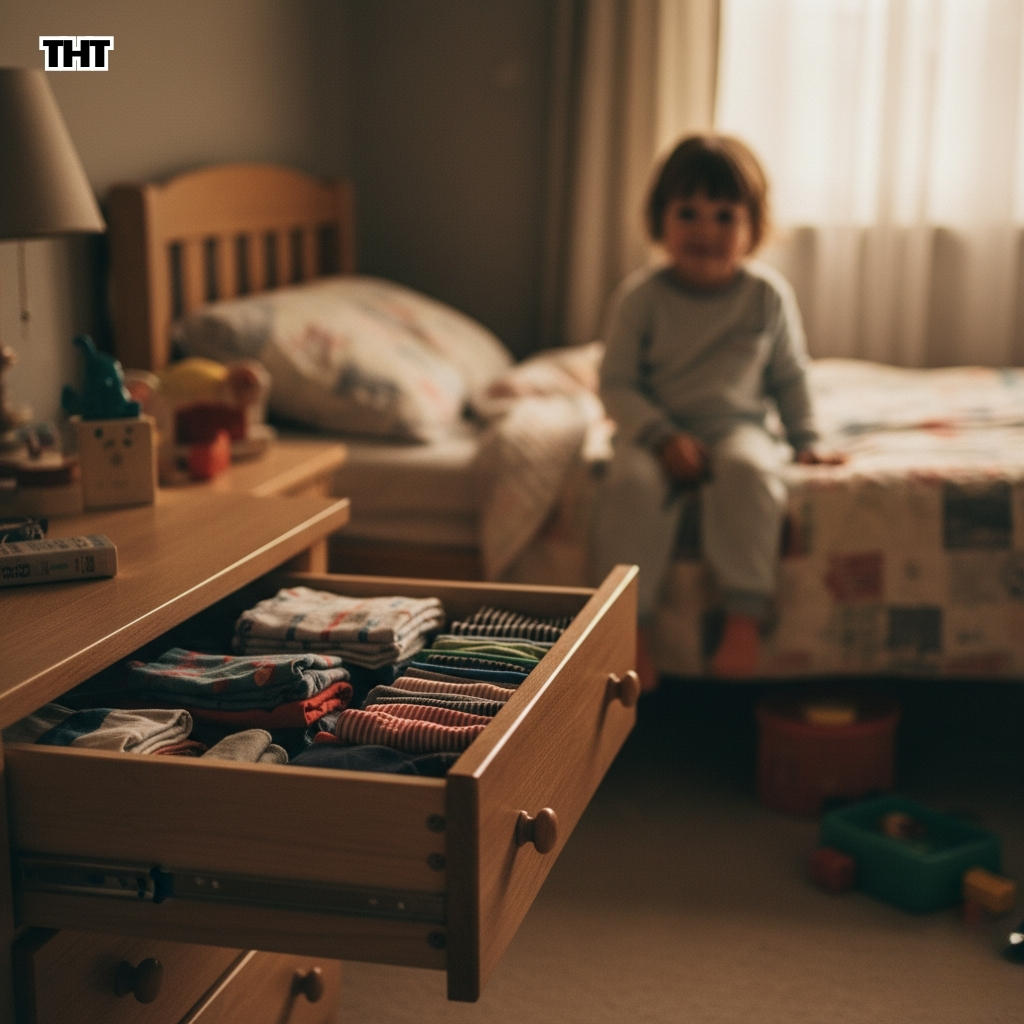
That night, when I opened Miles’s drawer and saw his shirts stacked in a way that was not perfect but truly his, I felt that small, quiet satisfaction that comes when you choose learning over control. When Nora climbed into bed in clean pajamas without a last-minute scramble, she looked at me and said, “Today was better.”
It really was.
Not because we folded laundry like a Pinterest family, but because we learned how to help each other without rushing each other, and that kind of learning will show up again and again in a hundred different moments we have not reached yet.