How a No-Spend Weekend Became Our Favorite Family Tradition
The first time I suggested a no-spend weekend, I did not present it like a wholesome family challenge with a cute printable chart. I presented it like a slightly desperate woman staring at our bank app on a Thursday night, trying to remember how we had managed to spend money on a week where we…
The first time I suggested a no-spend weekend, I did not present it like a wholesome family challenge with a cute printable chart. I presented it like a slightly desperate woman staring at our bank app on a Thursday night, trying to remember how we had managed to spend money on a week where we barely went anywhere.
There were the obvious things, like groceries and gas, but then there were the sneaky ones. The “just grab a coffee” run. The quick stop at the store because someone needed glue for a school project. The takeout we ordered because the day slipped away and nobody had the energy to cook. None of it was dramatic, and that was the problem. It was so normal that we did not even notice it happening.
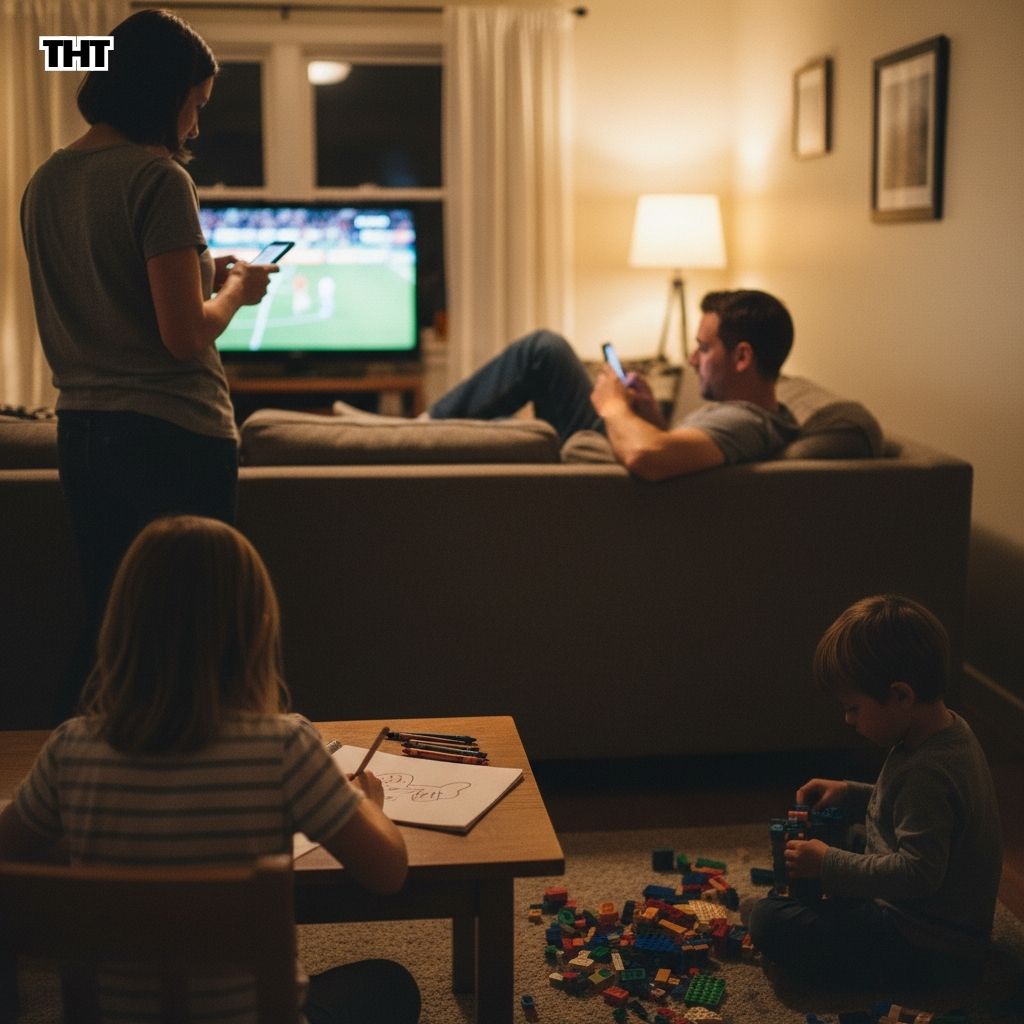
Chris was sitting on the couch, half watching a game, half answering a work message, and I said, “I think we should do a weekend where we spend nothing.”
He looked up with the kind of expression that says, I support you, but I am also trying to figure out if you are about to start a new family system that will last exactly three days.
Nora, who was drawing at the table, perked up right away. She loves a plan. She loves structure. She loves feeling like we are doing something purposeful. Miles, on the other hand, heard “nothing” and interpreted it as “nothing fun.”
“So we can’t do anything?” he asked, already slightly offended on behalf of his future self.
“We can do a lot,” I said. “We just can’t buy anything.”
Miles narrowed his eyes. “Not even snacks?”
“Not even snacks,” I said, and I could hear how brave I sounded, which is always how I sound right before something humbles me.
At the time, I honestly thought this weekend would be a one-time reset. I pictured us staying home, cleaning out closets, eating pantry meals, and maybe doing a nature walk in the drizzle. What I did not expect was that it would turn into the tradition my kids ask for by name, the one that makes our weekends feel less frantic and more connected, even when life is busy.
It became our favorite family tradition because it did something I had not realized we needed.
It gave us a shared story, and it gave us an easy way to choose each other on purpose.
The No-Spend Weekend That Almost Didn’t Happen
Saturday morning arrived with that familiar itch. The itch to go somewhere, buy something, make the day feel like it counts. Portland weekends have a rhythm that almost runs automatically. Farmers market, bakery, maybe a bookstore, maybe a little treat. None of it is outrageous, and all of it adds up.
I made coffee at home, which felt like step one of my new responsible lifestyle, and I told the kids, “Okay, no-spend weekend starts now.”
Nora asked for rules immediately, like the tiny project manager she is.
Miles asked for exceptions immediately, like the tiny lawyer he is.
Chris asked the most practical question, which was, “Does gas count?”
We ended up with simple rules that were clear enough for kids and flexible enough for adults.
We could not buy anything for fun, not food, not treats, not little “we deserve this” purchases.
We could use what we already had, including pantry food, craft supplies, board games, library books, and whatever was hiding in drawers.
We could go places that were free, like parks, trails, the library, or a friend’s backyard.
We could spend money only for true emergencies, the kind that involves a flat tire or medicine.
Once the rules were set, we ran into our first test within an hour. Miles asked if we could go out for breakfast.
“Pancakes?” he said, eyes hopeful.
I almost said yes. The truth is, a no-spend weekend feels hardest right at the beginning, when your brain keeps reaching for old habits, like muscle memory. Going out for breakfast would have been easy. It would have been fun. It also would have made the whole point disappear.
So I said, “We can make pancakes here.”
Miles sighed like I had just suggested we churn butter for entertainment.
Nora, surprisingly, lit up. “Can we do the kind where we make shapes?”
Now we had a direction, and direction is everything when you are trying to build a new habit.
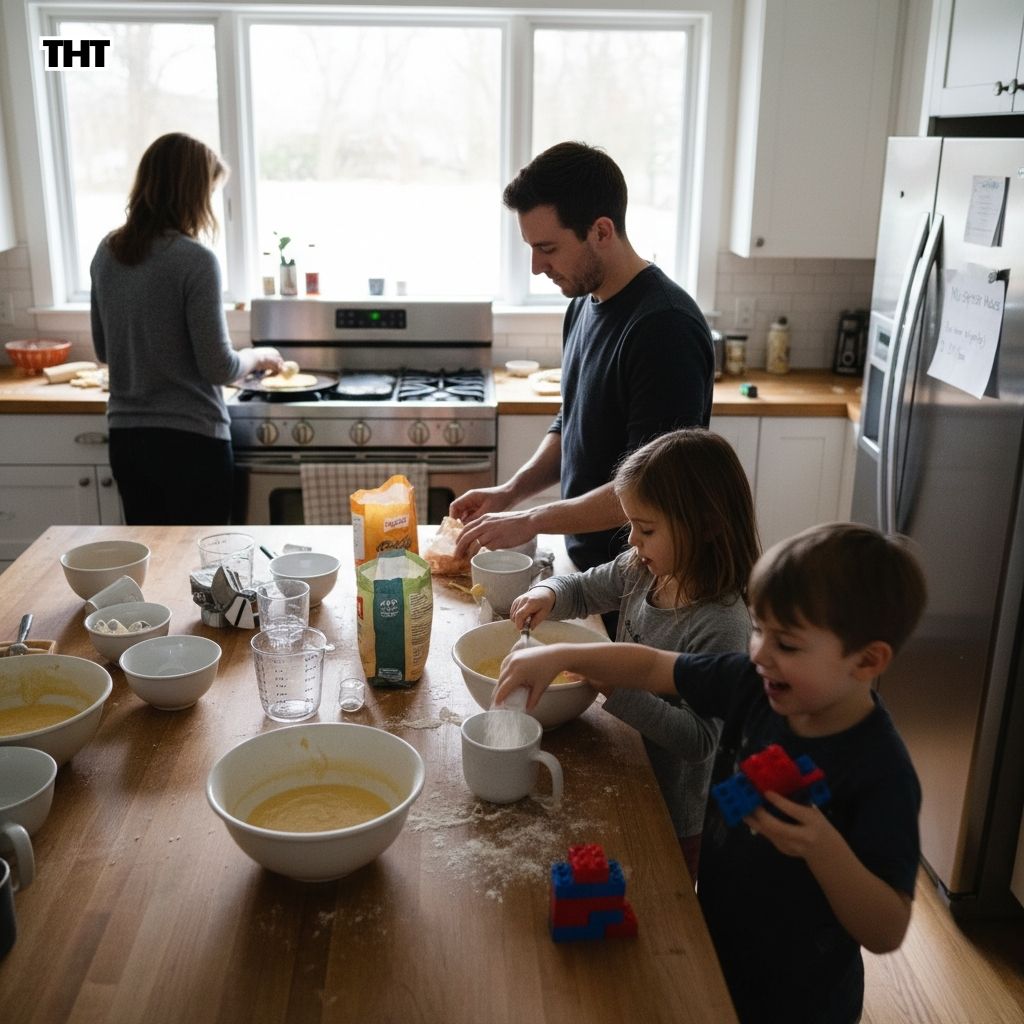
Chris pulled out the mixing bowl. Nora got the measuring cups. Miles insisted on cracking the eggs, which always turns into a tiny lesson in patience and confidence, because he wants to do it perfectly and he also wants to do it fast.
By the time the pancakes were on the griddle, the kitchen smelled like vanilla and warm butter, and the mood shifted. It was not fancy. It was not Instagram-ready. It felt like real life, and real life has a calmness to it when you stop rushing through it.
That breakfast was the first clue that this weekend might be different in a good way.
The Mistake I Made That You Can Skip
Here’s the part I messed up, so you don’t have to.
I assumed a no-spend weekend meant we had to stay home and be responsible the entire time, like the only acceptable activities were cleaning, organizing, and quietly appreciating our own company.
That lasted until about 10:30 a.m., when Miles started bouncing off the couch and Nora started complaining that her brother was breathing too loudly.
I could feel myself getting irritable because I had framed this weekend in my mind as a peaceful reset, and my children were behaving like children, which was not matching the fantasy.
That was my mistake. I made it about restriction instead of adventure.
So I tried a pivot. I said, “Okay, no-spend weekend challenge. We need a mission.”
Nora immediately asked, “What kind of mission?”
Miles yelled, “A treasure hunt!”
And just like that, we had something that felt exciting without costing a cent.
Our First No-Spend “Mission” and the Surprise Win
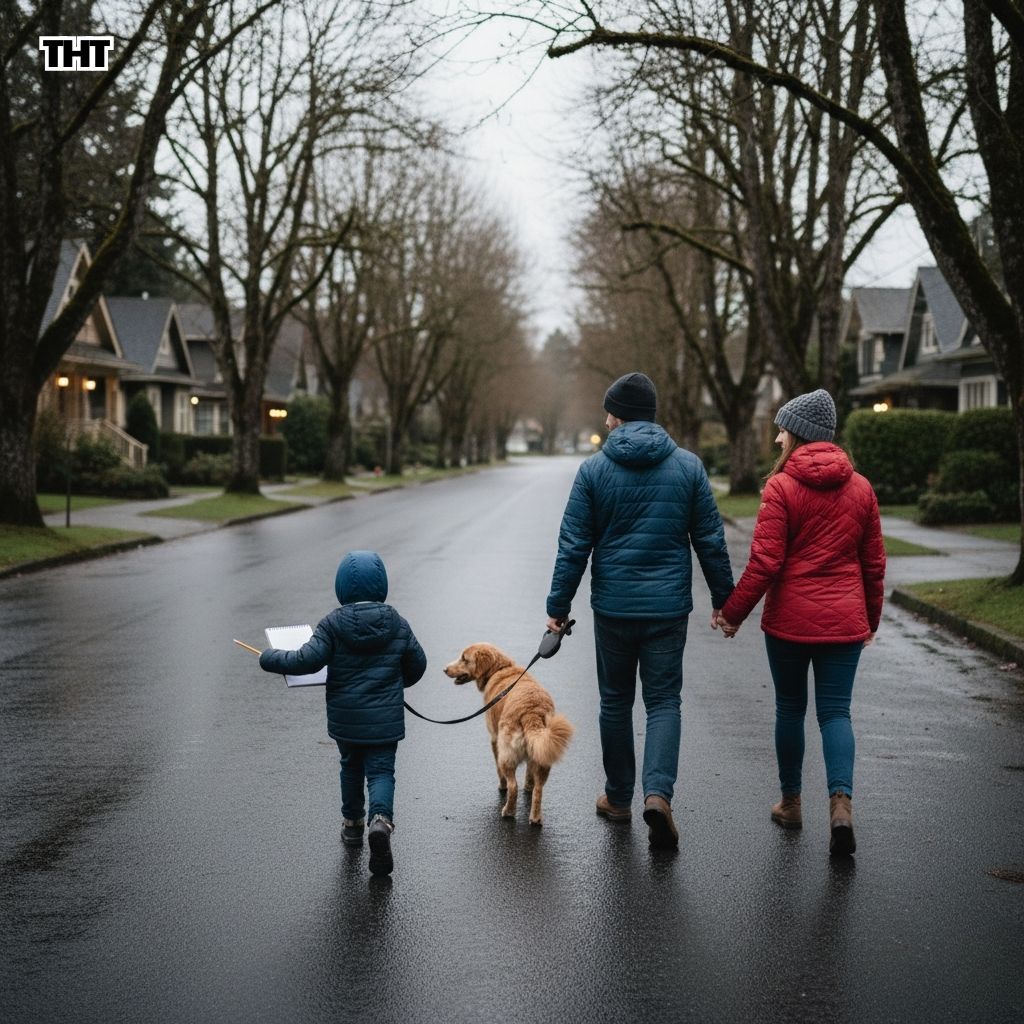
We went on a neighborhood scavenger hunt. I grabbed a notebook and wrote a list based on whatever popped into my head.
Something red.
Something shaped like a circle.
A feather.
A rock that looks like a heart.
A leaf bigger than your hand.
A house with a bright door.
A dog wearing a sweater.
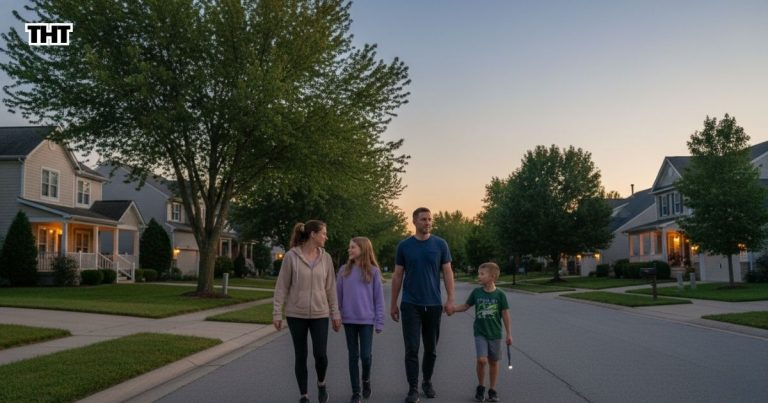
Nora took it seriously, checking items off with careful handwriting. Miles ran ahead, shouting discoveries as if he were announcing breaking news. Chris walked with Juniper, who sniffed everything like she was reading the neighborhood newspaper.
It was simple, and it worked. The kids were engaged. We were outside. We were moving. We were laughing. And the best part was that it created the kind of shared memory that sticks, the kind kids bring up weeks later in a random moment.
When we got home, Nora asked if we could make it into a “real treasure hunt” next time, with clues and a prize. Miles demanded that the prize be candy. I told him the prize could be “choosing the movie” or “staying up ten minutes later,” and he acted like I had offered him a single raisin.
Still, he agreed. That felt like a win.
What Made It Become a Tradition
That first weekend ended up being far more enjoyable than I expected, mostly because it forced us to do something I had been meaning to do for a long time.
It forced us to slow down enough to notice each other.
When you are spending money as entertainment, you can accidentally outsource the fun. The fun becomes the place you go, the treat you buy, the thing you bring home. When you remove that option, you have to create the fun together. That creation is the bonding part, and I had not realized how much our family needed more of that.
By Sunday afternoon, something else had happened too. My kids had stopped asking for purchases. They started asking for experiences.
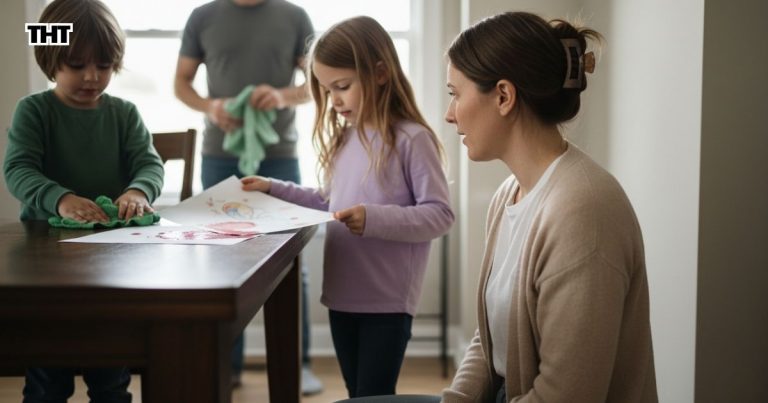
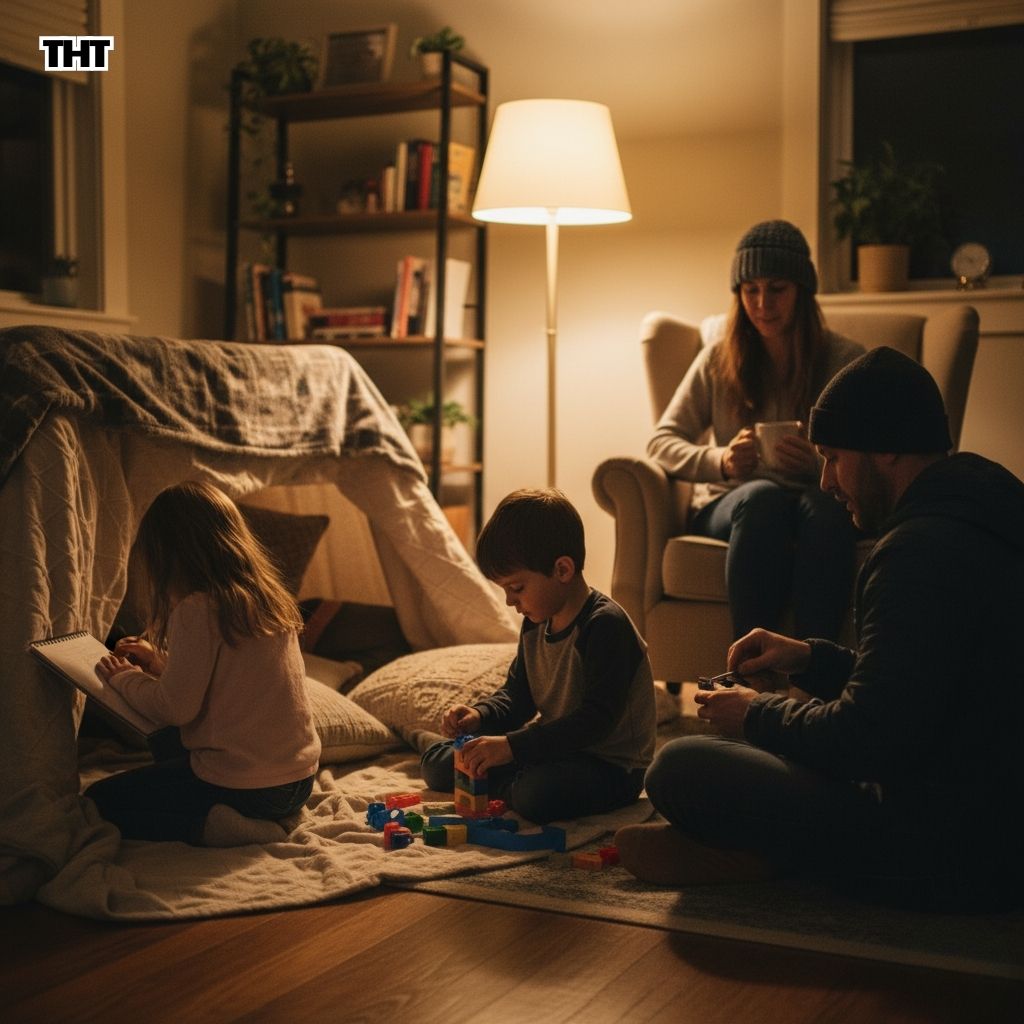
Nora asked if we could bake something from scratch, using only what we already had. Miles asked if we could build a fort using every pillow in the house. Chris suggested we finally fix the wobbly cabinet door in the kitchen, and Nora wanted to help because she likes feeling included in “adult projects.”
It was not perfect. There were still sibling arguments, and there were still moments where I wanted to order takeout just to make everything easier. But the weekend had a different feel, like we were cooperating more, not because I had delivered an inspiring speech, but because we were participating in a shared challenge.
That is what turned it into a tradition.
It was not just about saving money. It was about building family culture.
The Three Things That Made No-Spend Weekends Work for Us
After that first weekend, we repeated it a month later, then again, then again, until it became something my kids asked for. That surprised me the most. Kids love novelty, and I assumed they would get bored. Instead, they started treating it like a special kind of weekend, almost like a holiday that does not require decorations.
Here are the three things that made it stick.
1) We Made It Feel Like a Game, Not a Punishment
We stopped saying “We can’t.” We started saying “What can we make from what we already have?”
That single shift changed the whole energy. It turned restriction into creativity, and kids are much more willing to cooperate when they feel like they are building something with you instead of losing something.
2) We Prepped One Tiny Plan Ahead of Time
On Friday night, we started doing a five-minute “weekend map,” just a quick conversation.
We choose one free outing, like a park, a trail, or the library.
We choose one home activity, like baking, a movie night, or a project.
We choose one “help the house” task that we do together, like cleaning out the shoe pile, folding laundry, or fixing something small.
That plan is not strict. It is just enough structure to prevent the Saturday morning chaos where everyone is restless and someone starts asking to buy something because they cannot think of another option.
3) We Added One Cozy Anchor
For us, the anchor became a home meal that feels special but is made from what we have. Sometimes it is breakfast-for-dinner. Sometimes it is homemade pizza using pantry ingredients. Sometimes it is popcorn and fruit and a movie, which feels like a treat even when it is simple.
The anchor gives the weekend a heartbeat. It makes it feel like a tradition, not a random rule.
The Practical Hack That Changed Everything
If you try this, here is the one practical hack I recommend.
Create a “No-Spend Box.”
Ours is a plastic bin that lives in the closet. Inside it, we keep things that feel fun and slightly special, but they are all things we already own.
A deck of cards.
A couple of simple board games.
A puzzle that is not missing pieces, which is rare in our house.
A set of sidewalk chalk.
A roll of painter’s tape, because painter’s tape can become roads, hopscotch, obstacle courses, and art frames.
A few craft supplies that are not normally available, like googly eyes and pom poms, which honestly have magical powers in the right moment.
When the kids start getting restless, I pull out the box like I am revealing a treasure chest. It works because it removes decision fatigue. I do not have to invent fun from scratch every time. The fun is already waiting.
What My Kids Learned, and What I Learned Too
Nora learned that fun can be planned and created, not bought. She also learned that she likes being part of family decisions. When we let her help plan the weekend, she showed up more patiently, and she took less responsibility for policing her brother, which was a gift for everyone.
Miles learned something even bigger, though it took time. He learned that excitement does not have to come from a purchase. It can come from a challenge, a mission, a fort, a silly dance contest in the living room, or a scavenger hunt where he gets to run ahead and feel like the leader.
He also learned that boredom is not an emergency. That was a major lesson for our house.
Chris learned that the weekend can feel full without being full of errands. He started looking forward to the slower pace because it gave him a break from the constant sense of needing to do something productive to justify rest.
And I learned the part that changed me most.
I learned that I had been using spending as a shortcut when I was tired, not because I am careless, but because I am human. Buying something can feel like solving a problem quickly. The problem might be hunger, boredom, a need for a treat, or the desire to make memories. Spending can fix it in the moment.
But building a no-spend tradition taught me that the most meaningful memories are often the ones where we did something simple together, where the story was the point, not the purchase.
What a No-Spend Weekend Looks Like Now
These days, our no-spend weekends have a familiar rhythm, but they still feel fresh because the details change.
Sometimes we do a “library day” where everyone chooses a book and we sit in a cozy corner reading together, then we come home and make hot chocolate with whatever we have.
Sometimes we do a “fix-it day” where Chris and the kids tackle something small around the house, and I take pictures because Nora loves documenting progress like a tiny historian.
Sometimes we do a “nature mission” where we collect leaves and make simple art at home.
Sometimes we do a “food challenge” where we create dinner using only pantry ingredients, and Nora rates it like a judge on a cooking show.
Sometimes we do nothing big at all. We just stay home, play a board game, take a walk, and let the day be quiet.
The point is that the weekend feels intentional. The weekend feels like ours.
Final Thoughts
If you feel like weekends slip away and somehow cost more than you planned, you are not alone. It is easy to spend money without noticing, especially when life is busy and you are trying to make the days feel special for your kids.
A no-spend weekend is not just a budgeting trick. In our home, it became a way to slow down, connect, and build family culture through shared experiences, the kind that teach kids creativity, patience, and teamwork without a lecture.
Start small if you want to try it. Pick one weekend. Make simple rules. Plan one free outing and one cozy anchor at home. Expect a little resistance, and expect your own habits to show up too, because that is part of the process.
Then pay attention to what happens when you remove the option to buy fun and replace it with the invitation to create it.
In our house, that invitation turned into a tradition, and now, when Nora asks on a Friday night, “Is this a no-spend weekend?” I hear something behind the question.
I hear her asking for togetherness.
And that is something I am always happy to say yes to.