The Apology I Had to Practice Out Loud Before My Kids Would
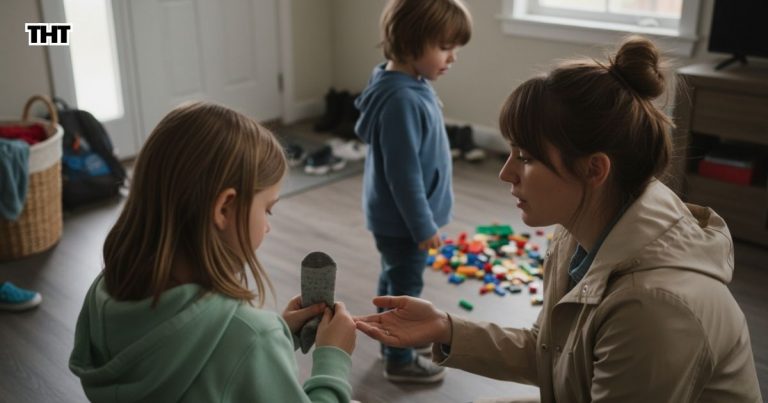
The first time Miles called me out, he did it the way only a six-year-old can: with zero malice and a level of accuracy that makes you question if your child has been secretly studying you like a tiny scientist. I had snapped at Nora over homework, realized it immediately, and tossed out a quick…
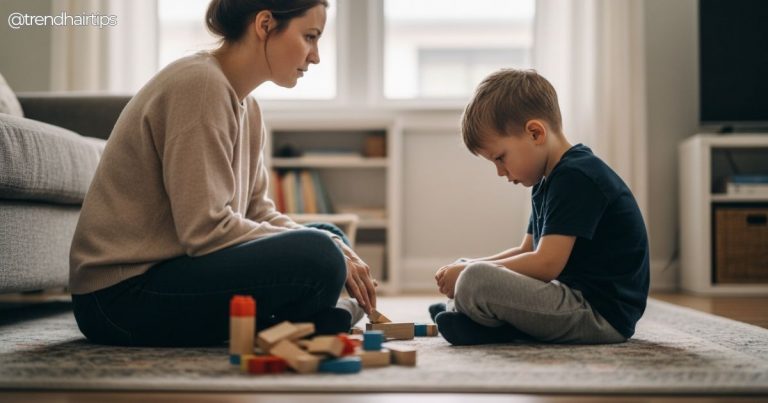
The first time Miles called me out, he did it the way only a six-year-old can: with zero malice and a level of accuracy that makes you question if your child has been secretly studying you like a tiny scientist.
I had snapped at Nora over homework, realized it immediately, and tossed out a quick apology the way you toss a lid onto a pot that’s boiling over.
“Sorry,” I said, already halfway turned toward the kitchen.
Miles looked at me, head tilted, eyes narrowed in deep skepticism, and said, “You didn’t mean it.”
If you’ve never been emotionally body-slammed by a child who still needs help tying their shoes, I can confirm it’s a humbling experience.
I opened my mouth to defend myself, because that is what adults do when they feel exposed, then closed it again because the truth was uncomfortable and simple: he was right. Not because I wasn’t sorry, but because my apology was designed to end the moment, not to repair it.
And my kids were learning from it.
The Kind of Apology Kids Don’t Copy
Here’s what my old apologies looked like, if I’m being honest.
They were fast, vague, and delivered while I was still moving, which meant my body was still carrying the same edge that caused the problem in the first place. The words said “sorry,” but my tone said “let’s not talk about this.” Nora would go quiet. Miles would keep watching. The moment would technically end, but it would end the way a messy room ends when you shove everything into a closet. It’s not clean. It’s hidden.
I didn’t realize how much that mattered until I noticed the way my kids were starting to apologize to each other.
Nora would say, “Sorry,” but she’d say it with that tight, guarded voice that means she’s trying to be done. Miles would mutter “sorry” like it was a required password to unlock freedom. Their apologies weren’t bridges. They were exits.
It was a small thing, but it wasn’t.
Because if kids learn that apologies are something you say so you can escape discomfort, then they don’t learn the thing apologies are actually for, which is rebuilding safety.
The Night It Finally Hit Me
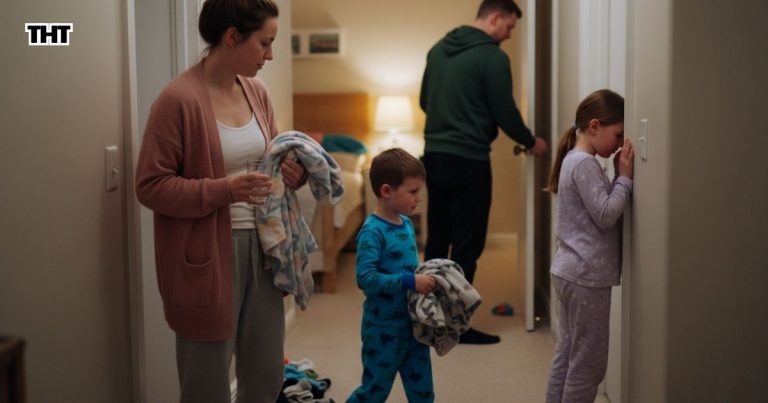
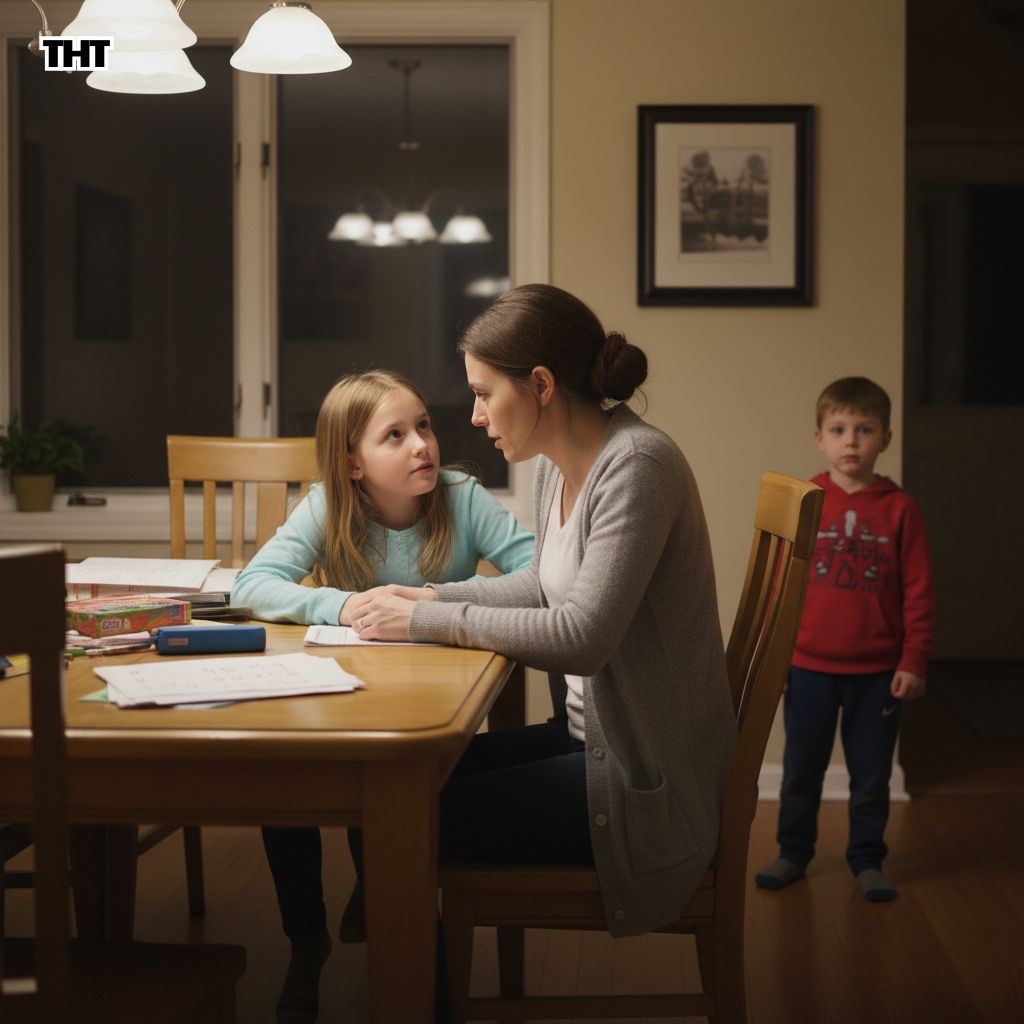
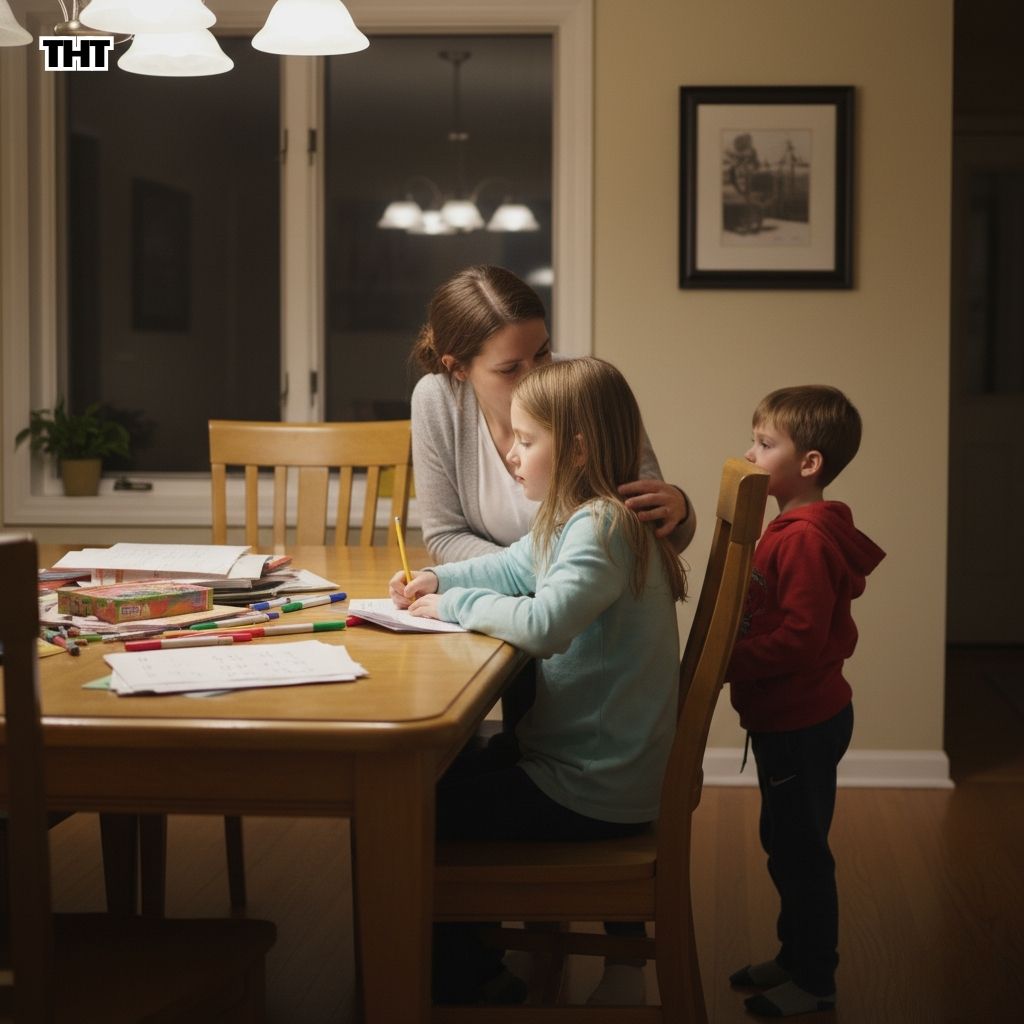
It was one of those evenings where everything is slightly loud. Dinner was late. Homework was slower than expected. Chris was in the kitchen fixing something that didn’t need fixing until that exact moment, because that is apparently how houses work. Nora was tense over a math sheet, and Miles was orbiting the table, full of energy and questions that weren’t really questions.
Nora asked me the same thing twice, and my patience slipped.
“Nora, I already told you,” I said sharply.
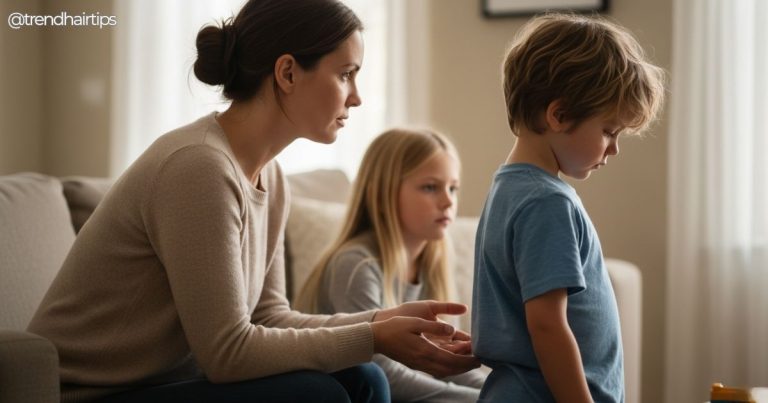
The room changed the way it changes when a tone lands wrong. Nora’s shoulders tightened. She stared down at her paper like she could disappear into it. Miles stopped moving. Chris glanced up, calm but attentive.
I felt regret immediately, and I did what I used to do.
“Sorry,” I said, quickly.
Nora didn’t look up. She didn’t respond. She didn’t soften.
Miles said, “You didn’t mean it.”
I started to argue, because pride hates being corrected, especially by a child who still thinks a sandwich cut diagonally tastes better.
But then I looked at Nora’s face, the way she was holding herself, and I realized my apology hadn’t helped her feel safe. It had only helped me feel like I’d checked the box.
So I did something that felt awkward and deeply inconvenient, which is usually a sign I’m about to learn something.
I stopped moving.
I sat down.
And I tried again, out loud, like I was learning how to speak a language I should have known all along.
The Apology I Had to Learn Like a Skill
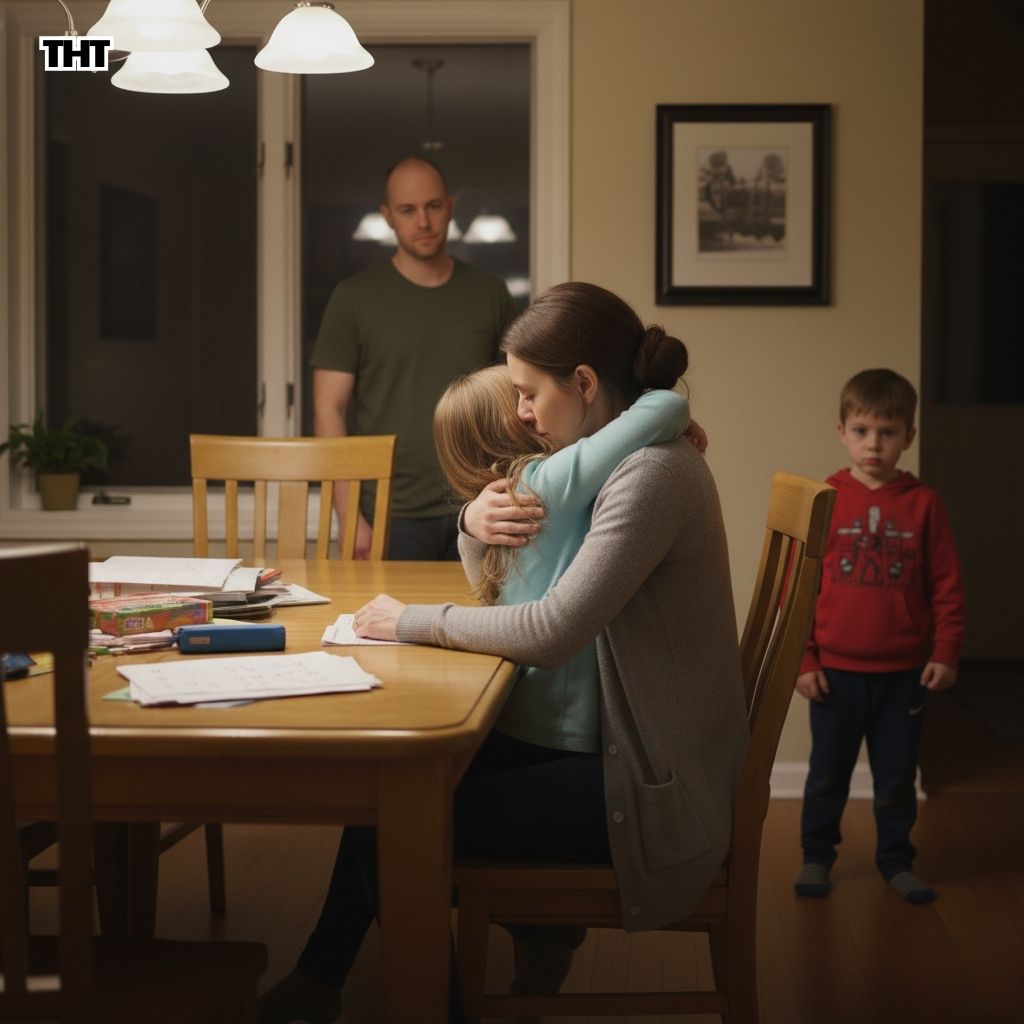
I looked at Nora and said, “I want to redo that.”
She blinked, surprised, because kids can tell the difference between words and intention.
Then I said the apology slowly, with the parts I usually skipped.
“Nora, I used a sharp voice with you when you were trying to do your homework. That wasn’t fair. I’m sorry.”
I paused, because rushing is how you turn repair into performance.
Then I added the part that changes everything.
“Next time I feel that frustrated, I’m going to take a breath before I speak. If I need a break, I’ll say that instead of snapping.”
Then I asked, “Do you want a hug, or do you want space while you finish?”
Nora’s face softened. She whispered, “A hug.”
Miles watched, very serious, and then said, like a judge delivering a verdict, “That one was real.”
Chris said, from the kitchen, “Good repair,” which is basically his version of applause.
I felt two things at once: relief, because the tension in the room eased, and embarrassment, because I realized how often I’d offered the cheap version of sorry.
Why I Practiced It Out Loud
The next part surprised me too, because I realized that in the heat of the moment, I don’t magically become wise. In the heat of the moment, my brain becomes efficient. It grabs the quickest words it knows, and quick words rarely build trust.
So I practiced.
Not in a dramatic way, and not in front of the kids like I was rehearsing for a play, but in tiny ordinary moments so the language would be available when I needed it.
I practiced while loading the dishwasher. I practiced in the car at red lights. I practiced in my head while brushing my teeth. I repeated the structure until it felt familiar, because familiar is what shows up when you’re tired.
Here’s the structure that worked for me, the one I kept returning to until it stopped feeling unnatural:
- Name what I did
- Name why it wasn’t okay
- Say sorry
- Say what I’ll do differently next time
- Offer reconnection
It’s not fancy. It’s not a therapy script. It’s a repair blueprint.
And it does something powerful: it teaches your kids that an apology isn’t a word, it’s a plan.
The Unexpected Thing That Happened in My Kids
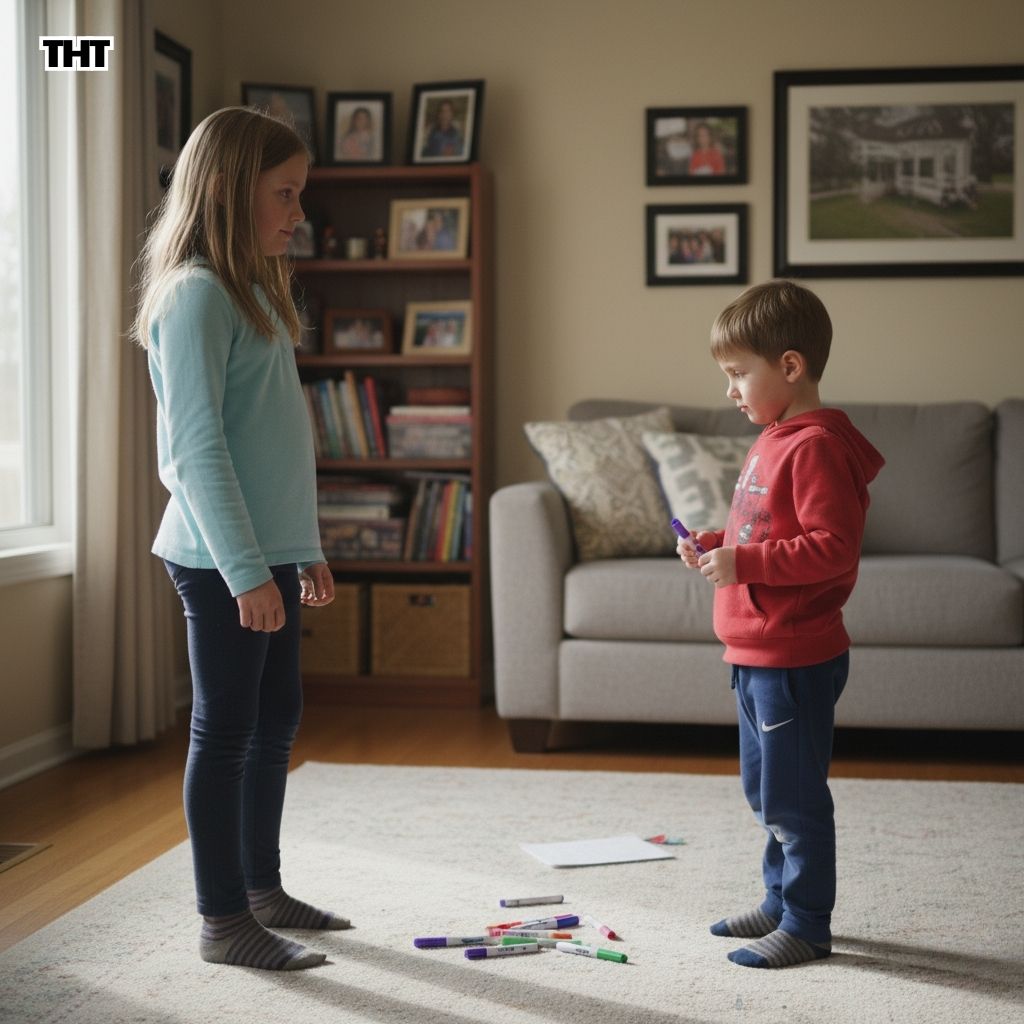
A few days later, Nora and Miles got into a fight over markers, and I was bracing for the usual sibling spiral, the one where both kids insist the other started it and the volume rises like a fire alarm.
Miles grabbed a marker. Nora snapped and yelled. Miles yelled back.
Then Nora stopped, took a breath, and said, “I’m sorry I yelled. I was frustrated because you took it without asking.”
It wasn’t perfectly calm. It didn’t have to be. It was real.
Miles stared at her, thrown off by the sudden maturity, then mumbled, “Sorry. I should’ve asked.”
And just like that, the fight shrank. Not because siblings became enlightened beings, but because an apology done well changes the energy. It interrupts the power struggle and creates a path back.
Then Miles started copying the structure too, but in the most Miles way possible.
One day he bumped into Nora in the hallway and she dropped her book. He started to run, stopped mid-step, came back, and said, very formally, “I pushed you. That was not kind. I’m sorry. Next time I will say ‘excuse me.’”
I had to bite my lip to keep from smiling too big, because if I looked overly delighted he would’ve gotten suspicious and ruined the moment.
That’s the thing about kids. They can smell a lecture from across the room. But they respond to what feels like a real culture shift.
What This Taught Me About Raising Kids Through Shared Experiences
It taught me that the best lessons aren’t the ones we announce. They’re the ones we live out loud.
My kids didn’t start apologizing better because I told them to. They started apologizing better because they watched me practice it like it mattered. They saw me slow down. They saw me name my own behavior without excuses. They saw me offer a repair plan, not just a word.
And the message underneath all of that was bigger than manners.
The message was: you can mess up and still come back.
For Nora, who can be hard on herself, that message is everything. She needs to know mistakes don’t mean she’s “bad,” they mean she’s human, and repair is possible.
For Miles, who gets flooded with frustration and wants to avoid shame, that message is a relief. It means he doesn’t have to defend himself forever. He can admit, repair, and move forward.
The Part I Messed Up, So You Don’t Have To
If I could go back, I would tell myself to stop forcing apologies in the heat of the moment.
When kids are still dysregulated, “Say sorry” turns into a performance. They’ll mumble it, they’ll resent it, or they’ll refuse it, and all three outcomes miss the point.
Calm first. Repair second.
And when you do repair, make it specific and anchored in action, because kids trust what they can see.
Final Thoughts
I still snap sometimes. I’m a parent, not a meditation app.
But now, when I mess up, I know what to do next, and my kids are learning it too.
I slow down. I name what happened. I apologize with clarity. I say what I’ll do differently. I reconnect.
It’s not dramatic. It’s not perfect. It’s just the kind of steady practice that turns a family into a safer place to be human.
And every time I hear Nora say, “I want a redo,” or Miles say, “Next time I’ll try again,” I feel this quiet gratitude, because it reminds me that repair is contagious.
Not the fancy kind.
The real kind.
The kind that starts with a parent practicing out loud, even when it feels awkward, and even when a small child is watching closely enough to call you on it.