The Evening Walks That Slowly Built Trust and Openness
If you had asked me a year ago what would make my kids open up more, I probably would have said something ambitious and well-intentioned, like “consistent family dinners” or “more screen-free time” or “a dedicated weekly family meeting with thoughtful questions.” I still believe in all of those things in theory, but the truth…
If you had asked me a year ago what would make my kids open up more, I probably would have said something ambitious and well-intentioned, like “consistent family dinners” or “more screen-free time” or “a dedicated weekly family meeting with thoughtful questions.” I still believe in all of those things in theory, but the truth is that our biggest breakthrough didn’t arrive as a grand plan at all. It arrived as a small habit, almost accidental, built out of necessity and held together by repetition.
It was the evening walks.
Not the kind of walks you post about with matching outfits and perfectly timed golden light, but the kind where someone is still chewing the last bite of dinner, someone is complaining about their socks, and I’m silently hoping nobody announces they need the bathroom once we’ve made it three blocks from home. These walks weren’t magical in one moment. They didn’t turn my kids into open books overnight. Instead, they did something slower and more lasting: they built a steady place for conversation to happen without pressure, and over time that steadiness became trust.
How It Started: Not a Parenting Hack, Just a Tired Parent Move
The first walk happened on an ordinary weekday when everything in our house felt slightly stuck. Nora was nine, sensitive, and quietly carrying worries she didn’t know how to name. Miles was six, energetic, stubborn, and so full of feelings that he sometimes seemed surprised by his own volume. Chris had been working late, and I was at that point in the evening where the day is technically winding down, but my brain is still running through unfinished tasks like a grocery list that won’t end.
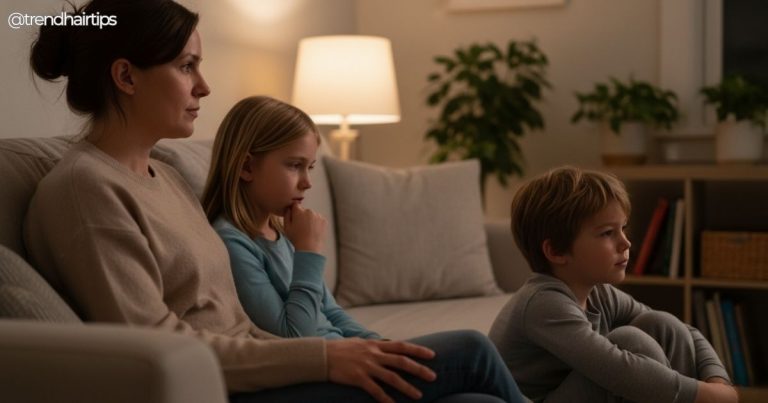
After dinner, the kids were restless in different ways. Nora was drifting toward her room, which is what she does when she feels overwhelmed and wants to regain control. Miles was ricocheting between the couch and the kitchen, desperate for entertainment but also too tired to handle it well. I could feel a meltdown brewing, not because anyone was “misbehaving,” but because everyone’s nervous systems were overloaded and the walls of the house were starting to feel too close.
So I said, “Shoes on. We’re going for a quick walk.”
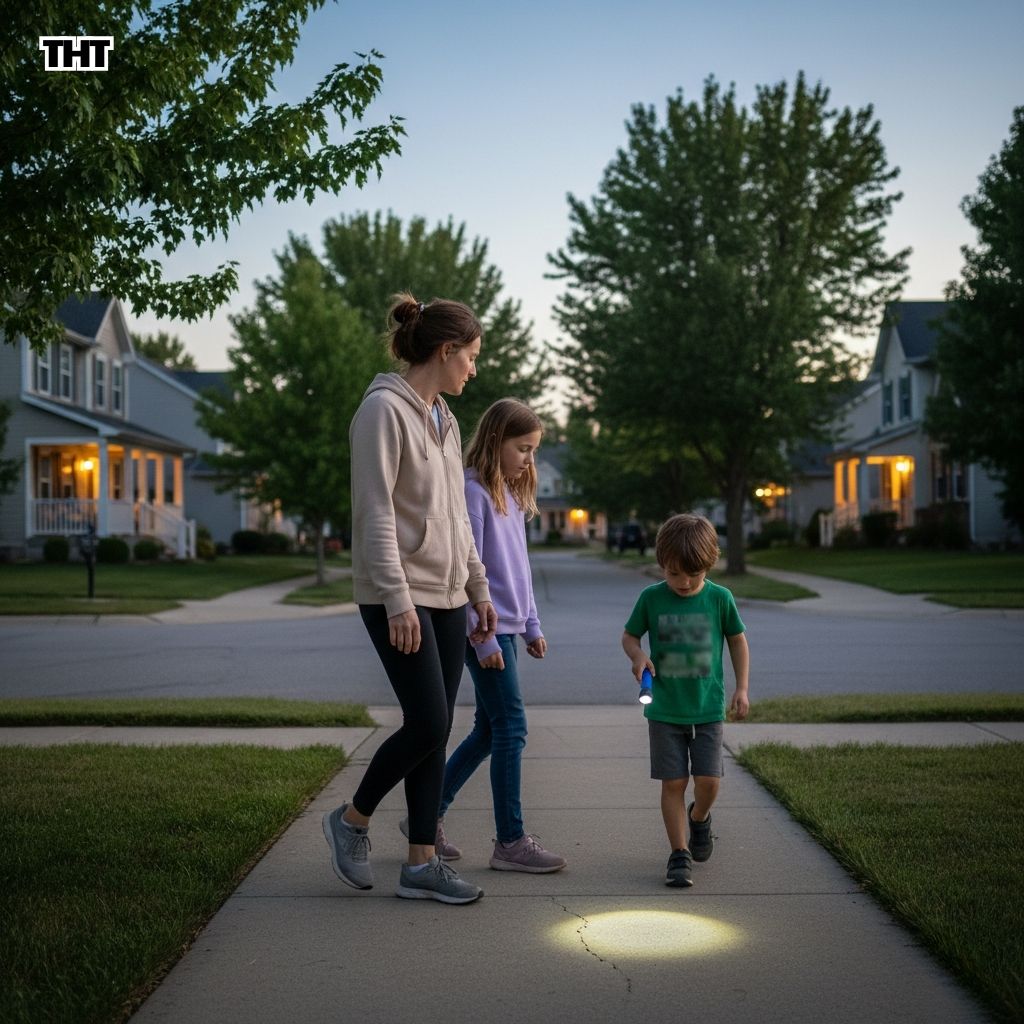
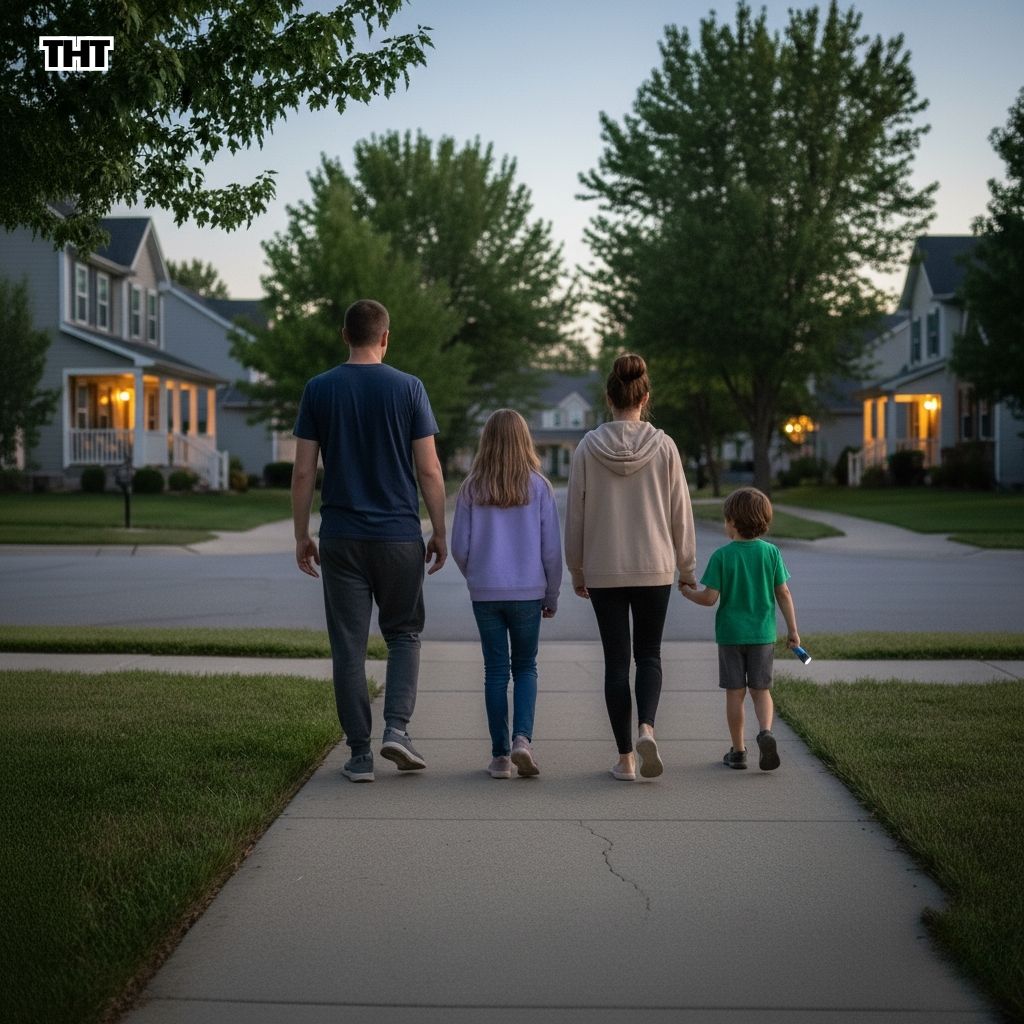
Nora blinked like she wasn’t sure it was allowed. Miles asked if he could bring something, because Miles believes every activity requires equipment. I said he could bring a small flashlight, and he treated it like an official assignment. Chris looked up and said, “I’ll come,” in that calm, grounded way that makes everything feel more doable.
We walked around the block.
That was it.
No big talk. No “tell me about your feelings.” No forced bonding.
Just movement, fresh air, and a small break from the intensity of being inside.
That night, Nora spoke more than she had all evening, and it wasn’t a deep confession. She just talked about a friend at school who had been “kind of weird” that day, and she said it casually, as if she was testing the water. I listened without jumping in to solve it. I asked one gentle question, and then I let her keep talking in her own rhythm.
Miles narrated everything the flashlight touched, because he is Miles, and he found a worm and declared it the most important discovery of the week.
When we got home, everyone seemed lighter. Even the bedtime routine went smoother, and I remember thinking, maybe we should do that again.
We did.
And then we kept doing it, and somewhere along the way it became ours.
Why Walking Worked When Sitting Down Didn’t
I didn’t understand at first why the walks created more openness than any intentional “talk time” I tried to set up, but after months of doing it, the reason became obvious.
Walking removes the pressure of direct eye contact.
When you sit across from a kid and ask them a question, it can feel like an interview, even if your voice is gentle. When you walk side by side, the conversation becomes optional. It can come and go like the streetlights, and kids can choose how close they want to get to the hard parts.
Walking also gives anxious and energetic bodies something to do.
Nora’s worries live in her head, and when her body is still, her thoughts get louder. Movement helps her thoughts loosen. Miles’ big feelings often need an outlet, and walking gives him a place to release energy without having to be “good” in a quiet room.
Most importantly, walking created a reliable container.
It wasn’t “we’re talking because we need to fix something.” It was “we walk because that’s what we do after dinner.” That difference changed the emotional meaning of the whole experience. The walk wasn’t a response to a problem. It was a rhythm. A dependable, low-pressure place.
And trust, I learned, is built in low-pressure places.
The First Real Moment of Openness
The first time I realized the walks were becoming more than just exercise was a night when Nora was unusually quiet. She had barely touched her dinner, and she’d been tense in the way she gets when something is bothering her but she doesn’t know how to release it.
On the walk, I didn’t ask, “What’s wrong?” because Nora hears that as pressure. She hears it as, I need you to present your problem clearly so I can evaluate it.
Instead, I said something simple.
“You seem like you have a lot on your mind.”
Nora shrugged, which is her way of saying yes without committing.
We walked another block in silence, and I let it be quiet without filling it with questions, because silence on a walk doesn’t feel like rejection. It just feels like walking.
Then Nora said, “I think people don’t like me sometimes.”
The sentence came out so softly I almost missed it, and I felt my own instincts rise, the urge to correct it quickly, to say, of course they like you, don’t think that, which is the adult version of slamming a door on a kid’s vulnerability.
So I didn’t correct. I stayed steady.
I said, “That’s a hard feeling to carry. What happened today that made you think that?”
She started talking, slowly at first, then more clearly, about a group of girls who had whispered and laughed, and how she couldn’t tell if it was about her, and how not knowing made her brain spin. She didn’t need me to solve it in that moment. She needed me to make space for it without minimizing it.
When she finished, she exhaled like her body had been holding a tight breath all day.
Chris, walking on the other side of Miles, didn’t jump in with advice either. He just said, “That would make me feel unsettled too.”
Nora nodded, and that was enough.
That was the beginning of her learning that she could bring her worries to us without being told they were “small” or “silly” or “nothing.”
Miles’ Version of Openness, Which Looked Different
Miles is not subtle. If he’s upset, the whole neighborhood knows. But the walks still changed him, because they gave him a gentler place to talk about the feelings he usually tries to outrun.
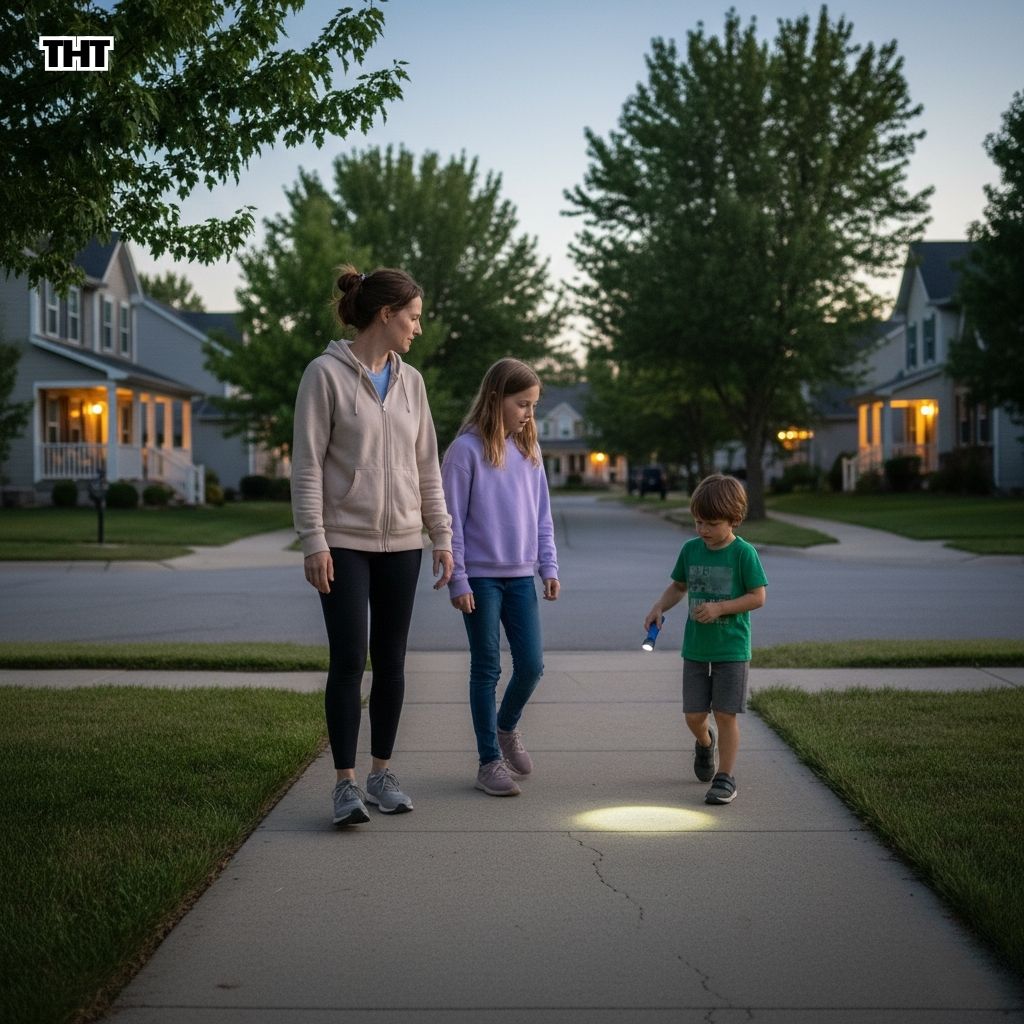
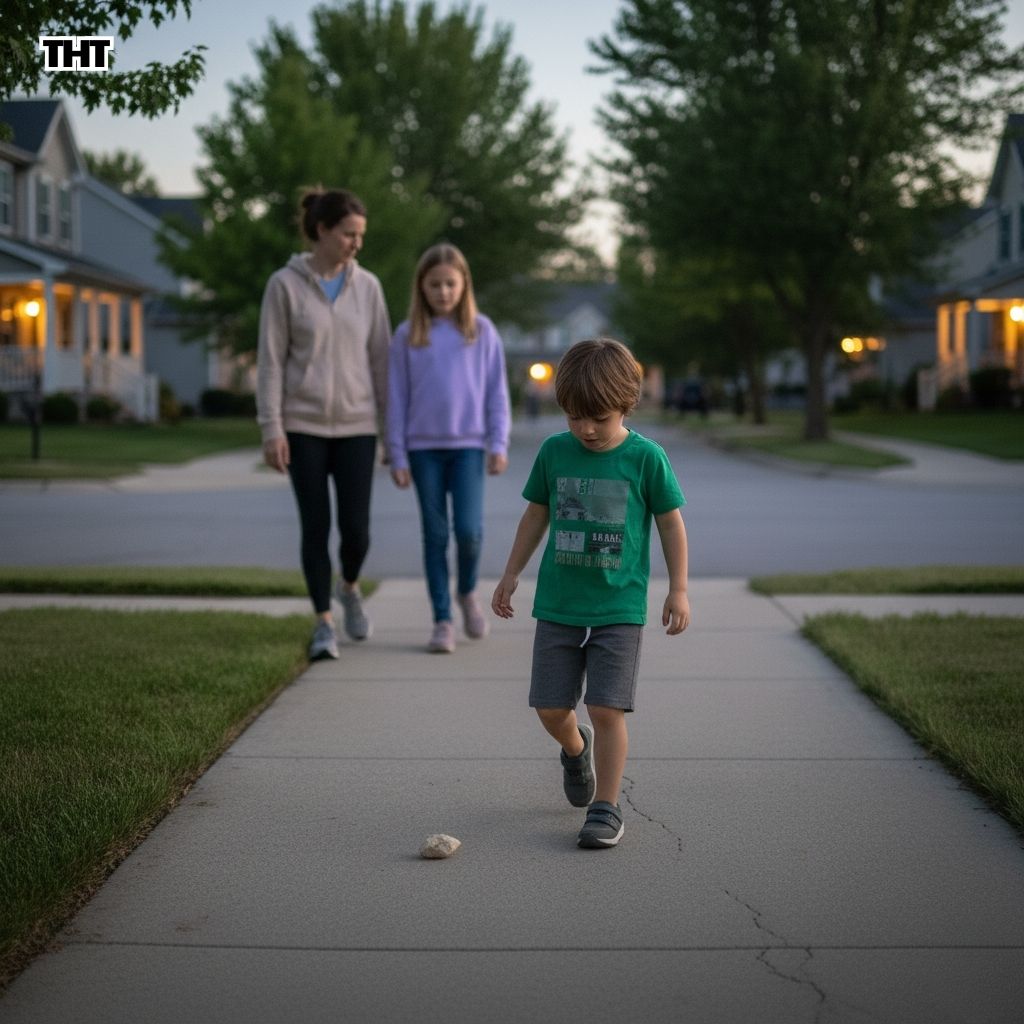
One evening he kicked a rock down the sidewalk for half a block, quiet, which is extremely rare for him. Then he said, “My teacher didn’t pick me today.”
It sounded minor, but I knew what he meant. He meant he wanted to be noticed. He meant he wanted to matter.
I said, “That felt bad.”
He nodded hard. “I was being good too.”
I could have immediately tried to make it better, promising him that tomorrow would be different, but what helped more was naming the real thing underneath.
“You wanted her to see you,” I said. “You wanted a turn.”
His eyes filled up a little, and he blinked fast like he didn’t want to cry on the sidewalk, which I respected deeply.
Chris said, calmly, “I get that. I like being picked too.”
Miles looked surprised, like he didn’t expect grown-ups to admit that.
He said, “Yeah.”
And then he kicked the rock again, but softer this time, like the feeling had somewhere to go.
What I Had to Learn: Listening Without Grabbing the Wheel
The hardest part for me wasn’t getting the kids to talk. The hardest part was not hijacking the moment with solutions.
When your child opens up, your nervous system often hears it as a problem to fix, not a feeling to hold. I had to teach myself to pause, to listen longer than felt comfortable, and to give responses that made room rather than closing it.
I started using a few simple phrases that kept me from rushing into lecture mode.
“That makes sense.”
“Tell me more.”
“What do you think you need?”
“Do you want help solving it, or do you want me to just listen?”
Those phrases changed the energy, because they told my kids their feelings weren’t emergencies I needed to shut down. Their feelings were information. Their feelings were welcome.
The Quiet Way Trust Gets Built
Trust doesn’t arrive with fireworks. It arrives with repetition.
It arrived when Nora started bringing up worries in smaller pieces instead of holding them until they exploded at bedtime. It arrived when Miles started naming the feeling beneath the tantrum, even if he still had tantrums sometimes. It arrived when the walk became predictable enough that the kids didn’t have to wonder if they were only being listened to when something was wrong.
Some nights, nobody talked much at all. Some nights, we only discussed worms and streetlights and whether raccoons have families. But even on those nights, we were doing the real work.
We were showing up.
We were walking side by side.
We were giving our kids the steady message that connection is not earned by being perfect. Connection is available.
Here’s the Part I Messed Up, So You Don’t Have To
At first, I tried to use the walk like a tool, and kids can sense that immediately. I would think, this is our chance to talk, so I would ask too many questions too fast, and Nora would shut down and Miles would get silly. I had to learn to let the conversation arise naturally, and to trust that if the container was steady, the honesty would come when they were ready.
The walk worked because it wasn’t an interrogation. It was a habit.
If you want to try this, keep it small and consistent, and resist the urge to fill every minute with meaningful discussion. Let your kid set the pace.
Final Thoughts
I didn’t set out to build trust through evening walks. I set out to survive the hour between dinner and bedtime without everyone melting down. But that’s often how the best family rituals begin, not from a perfect plan, but from a small choice that makes life gentler.
Now, when I lace up my shoes after dinner, I don’t think, this is where we’ll have deep talks. I think, this is where we’ll be together in a way that doesn’t demand anything.
And that’s why it works.
Because trust grows best when it isn’t forced.
It grows when it’s invited, again and again, in small steady steps, until your kids start handing you pieces of their inner world like it’s normal, like it’s safe, like you’ve earned it without even realizing you were earning it at all.