Why We Talk About Hard Things While Doing Something With Our Hands
I didn’t plan this as a parenting strategy. It emerged the way most of our best ones have, quietly, out of necessity and a little exhaustion. For a long time, I thought important conversations were supposed to happen face-to-face, seated, intentional. I pictured calm moments at the table, eyes locked, voices soft, everyone present and…
I didn’t plan this as a parenting strategy. It emerged the way most of our best ones have, quietly, out of necessity and a little exhaustion.
For a long time, I thought important conversations were supposed to happen face-to-face, seated, intentional. I pictured calm moments at the table, eyes locked, voices soft, everyone present and emotionally available at the same time. That image looked good in theory. In real life, it mostly resulted in stiff shoulders, wandering attention, and kids who suddenly remembered they desperately needed water, the bathroom, or literally anywhere else to be.
The breakthrough came one afternoon when none of us were trying to talk about anything important at all.
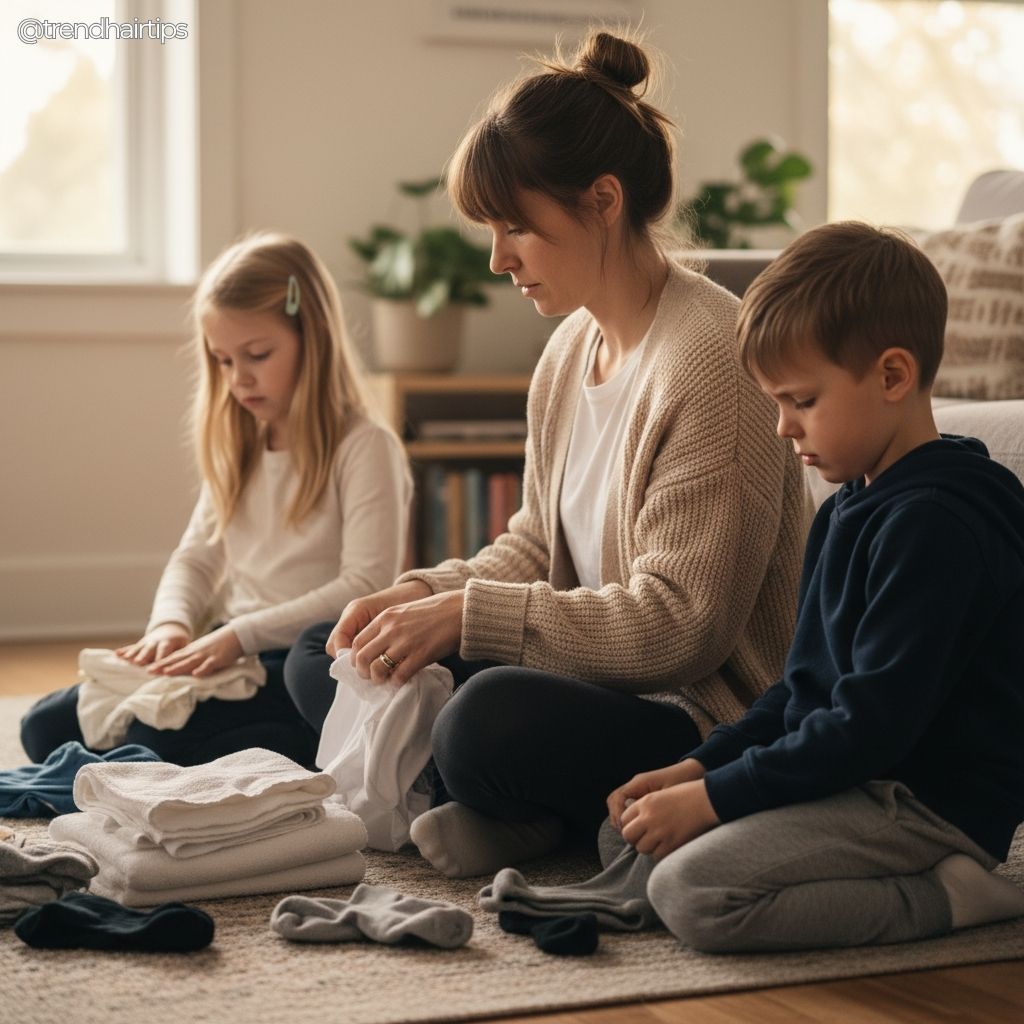
We were sitting on the living room floor, folding laundry. Socks everywhere. Towels in uneven piles. The kind of mindless, repetitive task that doesn’t demand much thinking. Miles was pairing socks with exaggerated seriousness. Nora was smoothing out shirts with the care of someone who likes order. I was folding and mentally making a grocery list.
Out of nowhere, Nora said, “Sometimes I worry that my friends don’t actually like me.”
She didn’t look up when she said it. Neither did I.
And somehow, that made all the difference.
The Accidental Pattern I Started Noticing
After that day, similar moments kept happening.
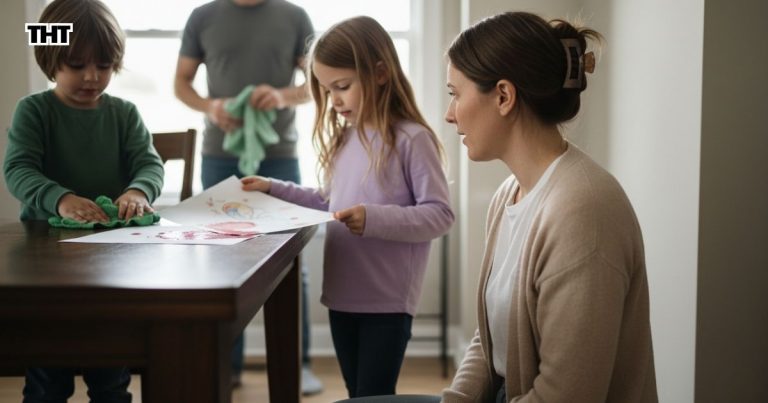
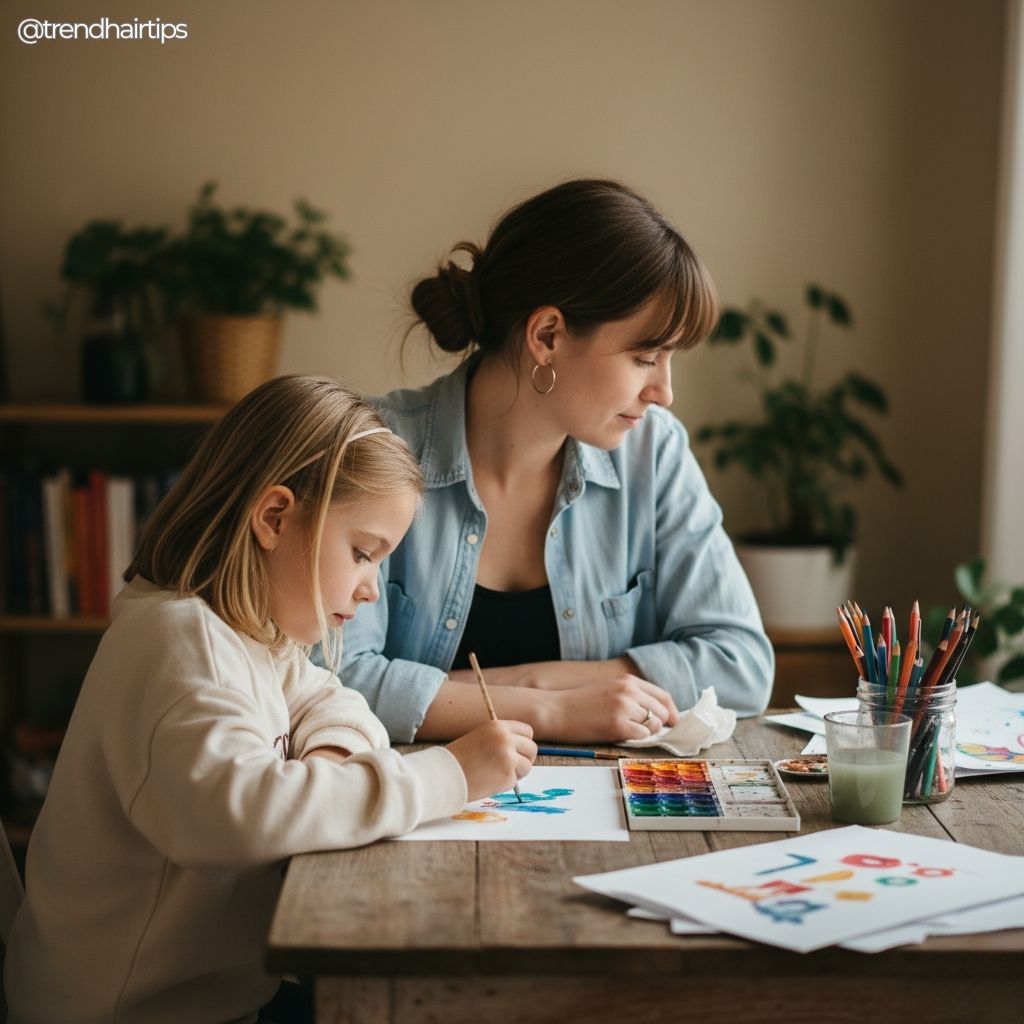
Miles talked about a kid at school while tightening screws on a broken chair with Chris. Nora opened up about test anxiety while painting quietly at the table. Big feelings surfaced during walks, Lego builds, gardening, cooking, anything where hands were busy and eyes were not locked in emotional confrontation.
At first, I thought it was coincidence. Then I realized it was a pattern.
When their hands were occupied, my kids’ defenses lowered.
They didn’t brace themselves for a “talk.” They didn’t feel examined. They didn’t feel like their words were being evaluated in real time.
They just spoke.
Why Face-to-Face Can Feel Like Pressure
As adults, we often forget how intense direct attention can feel to children.
Eye contact, while comforting to us, can feel exposing to a kid who is still figuring out their emotions. Sitting still with someone waiting for you to explain yourself can trigger the same stress response as being put on the spot in class.
When kids are already carrying something heavy, adding stillness and expectation can make their bodies clamp down.
Hands-on activity changes the equation.
Movement regulates the nervous system. Repetition gives the brain something predictable to hold onto. The task becomes a buffer, absorbing some of the emotional energy so the conversation doesn’t feel overwhelming.
In other words, their bodies feel safer.
And when bodies feel safer, words come more easily.
What Doing Something With Our Hands Actually Does
I started paying closer attention to what was happening in those moments, not just emotionally, but physically.
When we fold laundry, there’s rhythm.
When we walk, there’s forward motion.
When we cook, there’s purpose and sequence.
When we build or fix something, there’s problem-solving without pressure.
All of these activities keep the brain lightly engaged without demanding performance. That sweet spot matters.
It gives kids permission to talk without the fear of immediate reaction. They don’t have to watch my face for approval or disappointment. They don’t have to manage my response while trying to find their own words.
They can just let the thoughts out as they come.
The Day It Fully Clicked for Me
The moment this became intentional happened during one of Miles’ harder evenings.
He’d had a rough day at school. I could tell before he said anything. His body was tense. His voice was sharp. Everything felt like a potential conflict.
Old me would have tried to sit him down and “talk it through,” which almost always escalated things.
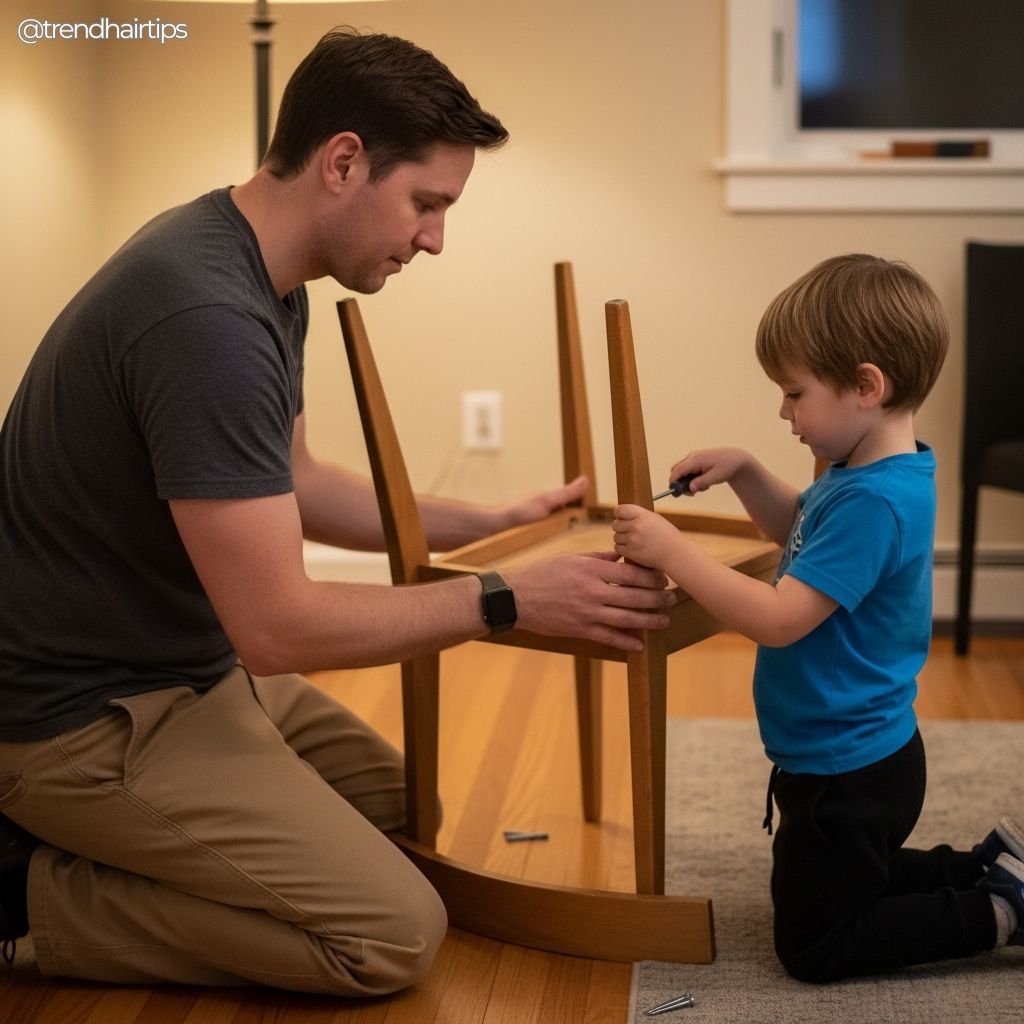
Instead, Chris said, “Hey, want to help me fix the loose leg on this chair?”
Miles shrugged, noncommittal, but followed him anyway.
They worked side by side, Chris holding the chair steady, Miles turning the screwdriver with exaggerated force. No questions at first. Just movement.
A few minutes in, Miles said, “Someone laughed when I got an answer wrong today.”
Chris didn’t stop what he was doing. He didn’t rush in with reassurance. He just said, “That stings.”
Miles nodded and kept turning the screw.
If that conversation had happened across a table, Miles would have been watching Chris’ face, bracing for advice or correction. Instead, he kept talking.
He explained what happened. He explained how it made his chest feel tight. He admitted he wanted to yell but didn’t.
By the time the chair was fixed, something else had been adjusted too.
Not solved. Not erased.
But softened.
Why This Works Especially Well for Hard Topics
Hard topics require vulnerability. Vulnerability requires safety.
When kids talk while their hands are busy, they’re less likely to censor themselves mid-sentence. They don’t stop to decide whether what they’re saying is “okay.” They don’t backtrack as often.
They speak more honestly.
This is especially true for topics like anxiety, friendships, shame, anger, and fear, things kids often don’t fully understand yet but still feel deeply.
Hands-on conversation allows emotion to emerge gradually instead of all at once.
It’s the difference between opening a door slowly and being shoved onto a stage.
What Changed in How I Listen
This approach didn’t just change how my kids talk. It changed how I listen.
I had to learn to respond without turning my body toward them immediately. Without dramatic facial expressions. Without interrupting the flow.
I learned to match their pace.
Short responses. Gentle acknowledgments. Letting silence exist without filling it.
“I hear that.”
“That sounds hard.”
“Tell me more.”
When kids are talking with their hands busy, the goal isn’t to fix. It’s to hold space while the words find their way out.
The Mistake I Almost Made
Once I noticed this pattern, I almost ruined it by formalizing it too much.
I caught myself thinking, Okay, now we’ll always talk during laundry time, as if I could schedule vulnerability between towels and socks.
That doesn’t work.
The magic isn’t in the activity. It’s in the lack of pressure.
So instead of forcing conversations during hands-on tasks, I started doing something simpler.
I just made sure we had plenty of hands-on time together.
The conversations followed on their own.
How We Use This Intentionally Now
Here’s how this shows up in our home in practical, everyday ways.
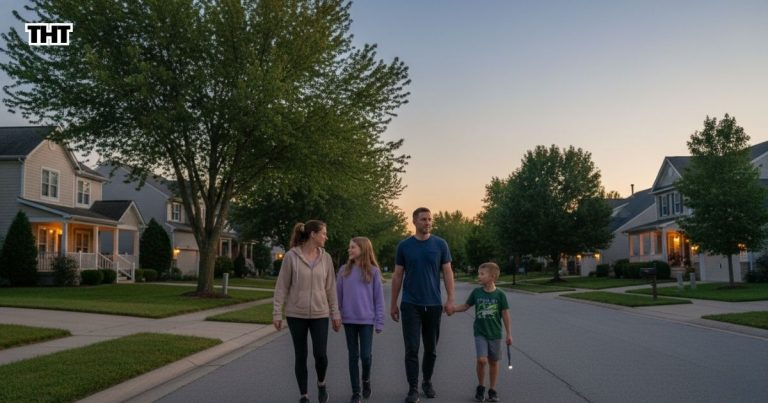
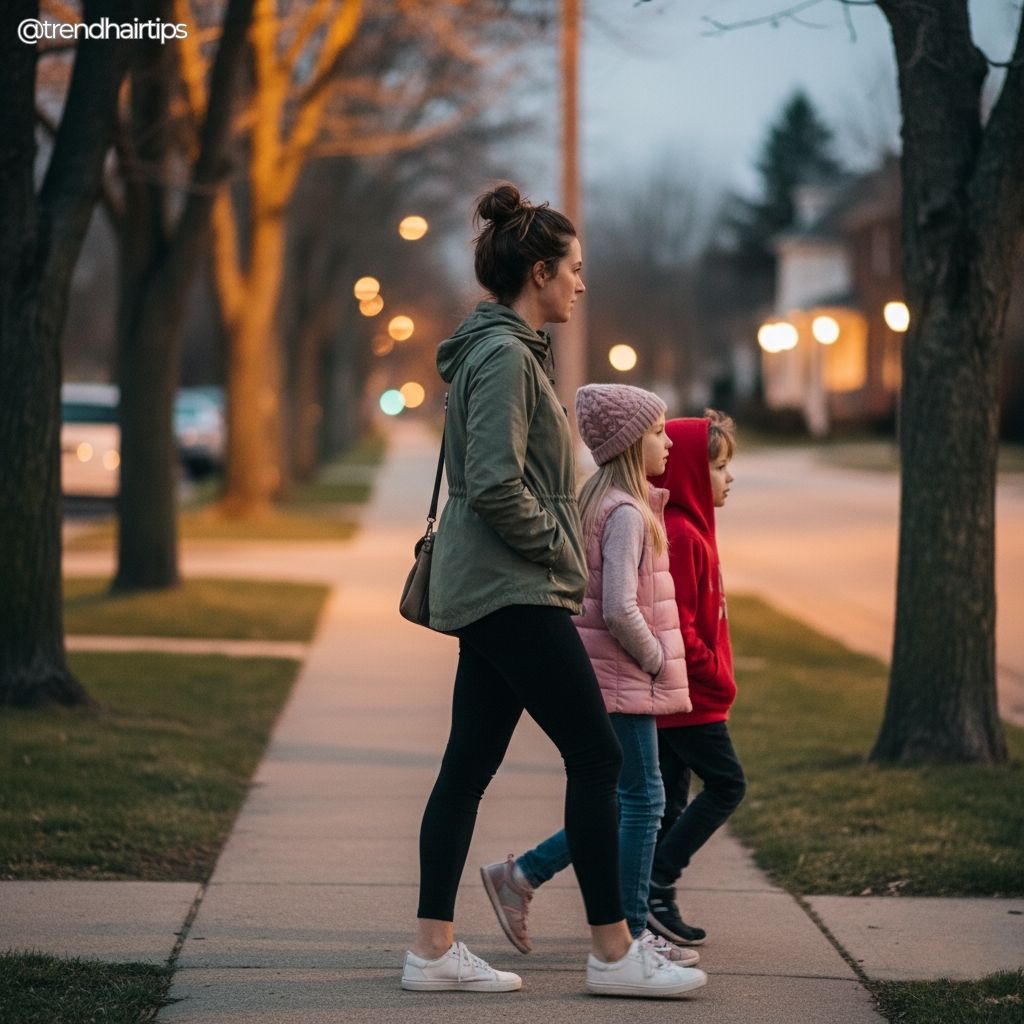
We walk instead of sit when something feels heavy.
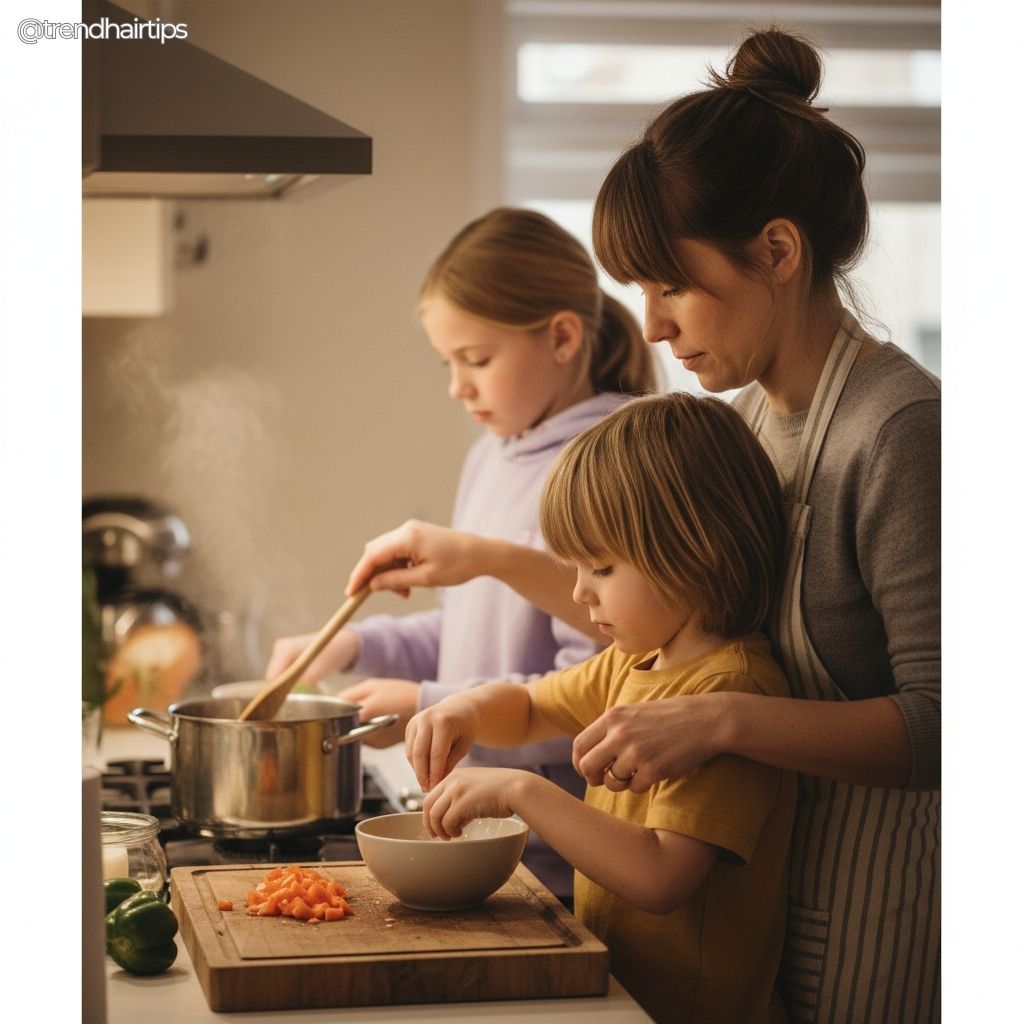
We cook together when a day has been hard.
We fold laundry side by side without distractions.
We fix small things instead of avoiding them.
We keep our hands busy when emotions feel big.
I don’t announce the reason. I don’t say, “Let’s talk.”
I say, “Can you help me with this?”
And often, that’s all the invitation they need.
What This Taught Me About Control and Trust
Talking while doing something with our hands requires letting go of control.
I don’t get to steer the conversation neatly. I don’t get perfect eye contact or tidy conclusions. I don’t get emotional closure on demand.
What I get instead is honesty.
Trust grows sideways, not head-on.
And kids are far more willing to share when they don’t feel like the conversation is the main event.
Actionable Takeaways You Can Try
If you want to try this in your own home, here’s what actually matters.
Choose low-stakes, repetitive activities.
Avoid eye contact pressure.
Let silence exist without rushing it.
Respond gently and briefly.
Resist fixing in the moment.
Most importantly, don’t treat it like a trick. Kids can feel when something is performative.
This works because it’s natural, not strategic.
Final Thoughts
We still talk face-to-face sometimes. We still sit at the table. We still have direct conversations when we need clarity or boundaries.
But the hardest, most tender conversations, the ones about fear, doubt, anger, and belonging, tend to surface when our hands are busy and our expectations are low.
While folding socks.
While walking at dusk.
While stirring a pot.
While tightening a screw.
It turns out, doing something with our hands gives feelings somewhere to go.
And when feelings have somewhere to go, words can follow more easily.
That’s why, in our home, the most important conversations don’t happen during “talks.”
They happen while we’re doing life together, one small, ordinary task at a time.