What My Kids Learned About Money From Watching Us Cancel a Plan
The plan had been talked about for weeks, which is usually how plans become emotionally expensive long before any actual money changes hands. We were supposed to go away for a short weekend, nothing extravagant, just a nearby place with a pool, takeout dinners, and the promise of a break from routine. Nora had already…
The plan had been talked about for weeks, which is usually how plans become emotionally expensive long before any actual money changes hands.
We were supposed to go away for a short weekend, nothing extravagant, just a nearby place with a pool, takeout dinners, and the promise of a break from routine. Nora had already pictured what books she would bring. Miles had been counting “sleeps” like they were a legitimate unit of time. Chris and I had both been looking forward to not cooking dinner for at least one night.
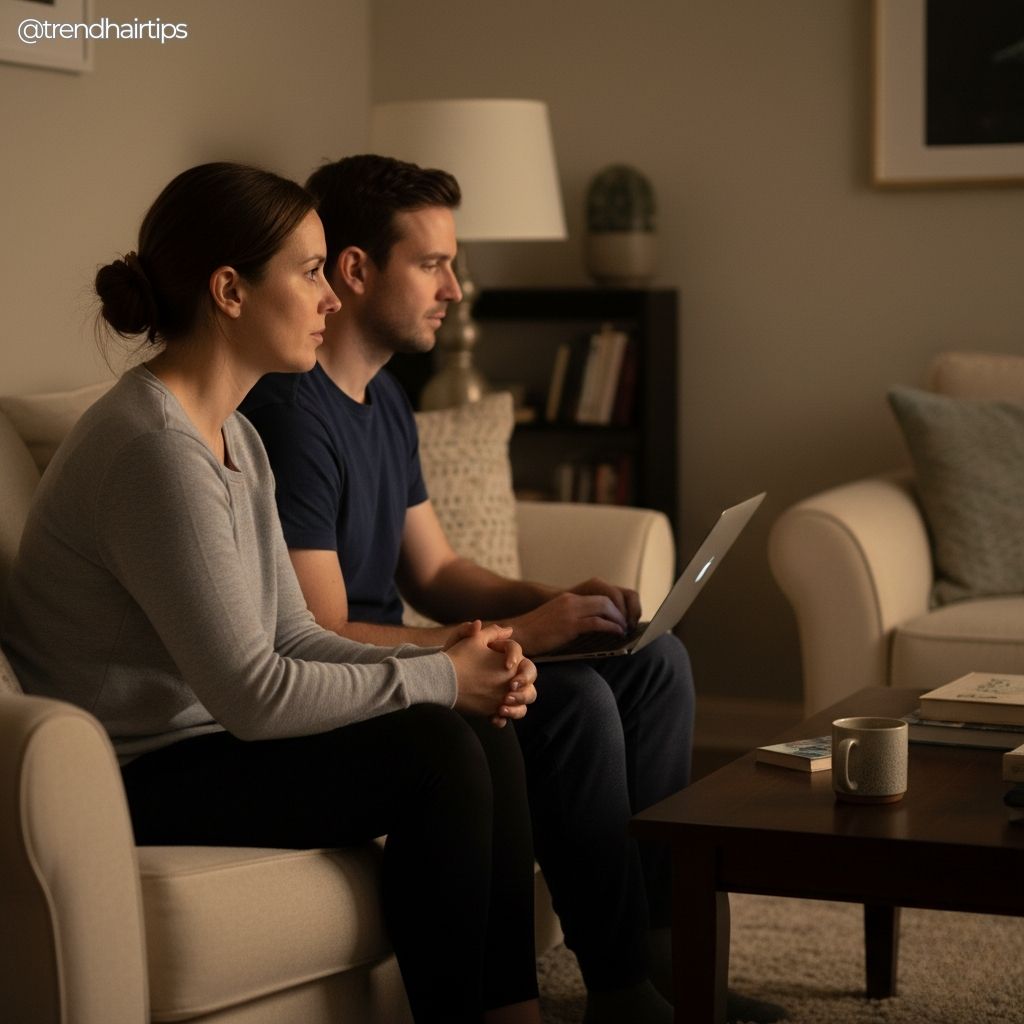
Then one Tuesday evening, after the kids were in bed and the house finally quiet, Chris opened his laptop and said, very calmly, “We should talk about the numbers again.”
That tone, the calm practical one, is usually a sign that something is about to change.
He turned the screen toward me and walked me through it slowly. A car repair we hadn’t anticipated. A bill that landed awkwardly. A few expenses that lined up in a way that made the weekend feel less like a treat and more like a stressor.
Nothing dramatic. Nothing catastrophic.
Just enough to make the plan stop making sense.
We sat there for a while, not arguing, not panicking, just recalibrating. And then one of us said it out loud, the sentence that officially shifted things.
“I think we should cancel.”
I felt the disappointment immediately, sharp and real, because adults don’t magically outgrow that feeling just because they understand spreadsheets. I also felt relief, because the quiet anxiety I hadn’t fully acknowledged loosened its grip the moment the decision was made.
What I didn’t realize yet was that this small, ordinary decision was about to become one of the clearest money lessons our kids would ever receive.
Not because we explained it perfectly.
But because they watched it happen.
The Moment We Had to Tell Them
We told the kids the next morning at breakfast, which was intentional. Not rushed, not whispered, not hidden. Just folded into the rhythm of a normal day.
Chris said, “Hey, we need to talk about the weekend plan.”
Nora looked up immediately. Miles froze mid-bite.
“We’re not going?” Miles asked, already bracing.
“We’re not,” I said. “We decided to cancel.”
There was a beat of silence, then the reactions came exactly as expected.
Nora’s face tightened. She didn’t cry, but I could see her disappointment folding inward, the way she tries to manage big feelings quietly. Miles was louder.
“But you said!” he protested. “You promised!”
That word, promised, always carries weight, especially when kids are involved.
I took a breath and said something that felt important to say clearly.
“We did plan it. And then we looked at our money again and realized this isn’t the right time.”
Chris added, “Canceling means we won’t have to worry about other things later.”
Miles crossed his arms. “I don’t like that.”
“I know,” I said. “We don’t either.”
And then we stopped talking.
That part mattered.
What We Didn’t Do (And Why)
We didn’t overexplain. We didn’t pull out numbers. We didn’t justify ourselves endlessly or try to spin it into a fake-positive lesson about gratitude.
We also didn’t hide our disappointment.
I didn’t say, “It’s fine, we don’t care,” because that would have been a lie, and kids are very good at sensing those.
Instead, I said, “I’m disappointed too. I was looking forward to it.”
Nora nodded slightly, like she appreciated the honesty.
Miles asked, “So are we poor now?”
That question could have gone in a lot of directions, and I was careful not to rush my answer.
“No,” I said. “We have what we need. We’re just choosing to use our money carefully.”
That distinction matters more than we often realize.

The Quiet Lesson They Were Absorbing
Kids learn about money less from what we say and more from how we act when money intersects with emotion.
If we panic, they learn fear.
If we hide, they learn shame.
If we argue, they learn that money causes conflict.
What they saw instead was this.
Two adults looked at new information.
They adjusted a plan.
They tolerated disappointment.
They didn’t blame each other.
They didn’t blame money.
That’s a powerful lesson, even if it never gets labeled as one.
Later that day, Nora asked a question that told me she had been thinking deeply about it.
“Do adults cancel plans a lot because of money?”
I said, “Sometimes. Not because money is bad, but because plans should serve us, not stress us.”
She considered that.
“So money is kind of like a tool,” she said slowly. “And if you use it wrong, things get harder.”
I nodded. “That’s a really good way to put it.”
Miles, overhearing, said, “I don’t like when tools ruin fun.”
Chris smiled. “Tools don’t ruin fun. They just help us decide when to use it.”
What Canceling Taught Them About Control
One of the most interesting things that came out of this wasn’t about money directly. It was about control.
Kids often experience money as something mysterious that adults use to say yes or no. It feels arbitrary. Unfair. Random.
By letting them see the decision process, even in a simplified way, money became less of a villain and more of a factor.
We didn’t say, “Because we said so.”
We said, “Because this choice helps us feel steadier.”
That showed them something subtle but important.
Plans are flexible.
Adults can change their minds responsibly.
Canceling is not the same as failing.
For Nora, that softened her anxiety around “getting it right.” She saw that revising a plan doesn’t mean you made a bad one.
For Miles, who struggles when expectations shift, it gave him a framework. He didn’t love the change, but he could understand it.
Understanding doesn’t erase disappointment, but it makes it bearable.

The Conversation That Happened Later
A few days after the cancellation, while we were driving home from school, Miles said something from the back seat that stopped me mid-thought.
“Next time, can we check the money before we get excited?”
Nora chimed in, “Or maybe we can have backup plans.”
Chris caught my eye in the rearview mirror, surprised in the same way I was.
They weren’t just reacting anymore.
They were thinking ahead.
I said, “That’s actually how adults learn to plan too.”
Miles said, “Adults mess up money stuff?”
“All the time,” I said, and meant it.
That admission mattered. It showed them that money isn’t about perfection. It’s about adjustment.
The Part That Was Hardest for Me
If I’m honest, the hardest part wasn’t canceling the plan.
It was resisting the urge to make it up to them immediately.
I wanted to soften the disappointment with something else. A new promise. A different treat. A distraction.
But doing that would have undercut the lesson.
Not every disappointment needs to be replaced. Some just need to be felt and survived.
We did eventually plan something smaller, a local outing that fit our budget comfortably, but we didn’t rush to announce it. We let the canceled plan exist as a complete experience.
That’s how it became meaningful.

What They Learned Without a Lecture
Looking back, here’s what my kids absorbed from that week, without us ever sitting them down for a formal “money talk.”
Money decisions can change, and that doesn’t mean someone messed up.
Canceling a plan can be responsible, not punitive.
Adults feel disappointment too and can handle it calmly.
Money is about balance, not fear.
Planning includes flexibility, not just excitement.
Those are lessons that will serve them far longer than memorizing numbers or saving slogans.
Actionable Value You Can Take From This
If you ever find yourself needing to cancel a plan because of money, here’s what made the difference for us.
Be honest without oversharing.
Name disappointment without dramatizing it.
Avoid blaming language.
Let kids ask questions, even awkward ones.
Model calm adjustment instead of emotional scrambling.
Most importantly, remember that kids are watching how you respond more than what you explain.
The Mistake I Almost Made
I almost framed the cancellation as a sacrifice “for them,” which would have turned it into guilt.
I almost said, “We’re doing this so you can have other things later,” which would have made them feel responsible for adult finances.
I didn’t. And I’m glad.
This wasn’t about them. It was about us making a choice.
Letting kids know that adults can carry responsibility without placing it on their shoulders is a gift.

Final Thoughts
Canceling that plan didn’t teach my kids how to budget or balance an account.
It taught them something more foundational.
It taught them that money is a tool adults use thoughtfully.
It taught them that plans can change without panic.
It taught them that disappointment is survivable.
It taught them that calm decisions build stability.
And it reminded me that some of the most important lessons don’t come from what we plan to teach.
They come from the ordinary moments when life asks us to choose steadiness over excitement, and our kids are close enough to watch us do it.
Even when it’s disappointing.
Especially then.