How We Learned to Pause Instead of Escalate During Arguments
For a long time, our arguments followed a very predictable script. Someone would get frustrated. Someone else would respond a little too quickly. A tone would sharpen, a word would land wrong, and suddenly the conversation wasn’t about the original issue anymore. It was about who felt misunderstood, who felt blamed, and who was now…
For a long time, our arguments followed a very predictable script.
Someone would get frustrated. Someone else would respond a little too quickly. A tone would sharpen, a word would land wrong, and suddenly the conversation wasn’t about the original issue anymore. It was about who felt misunderstood, who felt blamed, and who was now emotionally cornered.
Nothing exploded in a dramatic way. There were no slammed doors or shouting matches that echoed down the street. It was subtler than that, which somehow made it harder to catch. Voices got tighter. Words got faster. Everyone started talking to be right instead of talking to be understood.
And because the arguments weren’t extreme, I convinced myself for a long time that this was just normal family friction. Kids argue. Adults get tired. Emotions rise. Things pass.
Except they didn’t really pass.
They piled up.
The Argument That Made Me Stop Mid-Sentence
The moment that changed things didn’t happen during a major conflict. It happened during something so small it almost didn’t register as important.
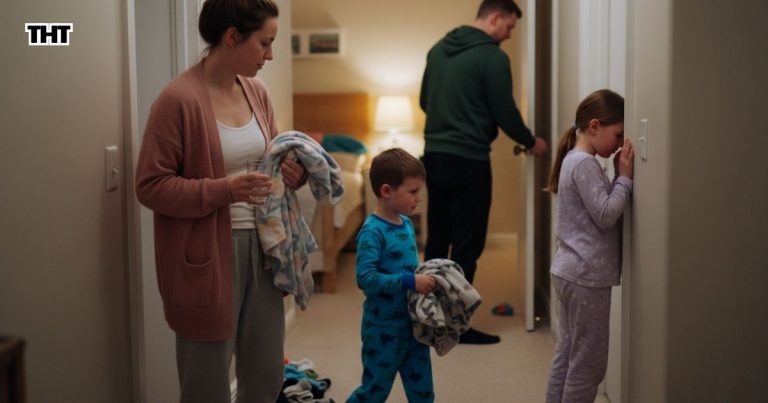
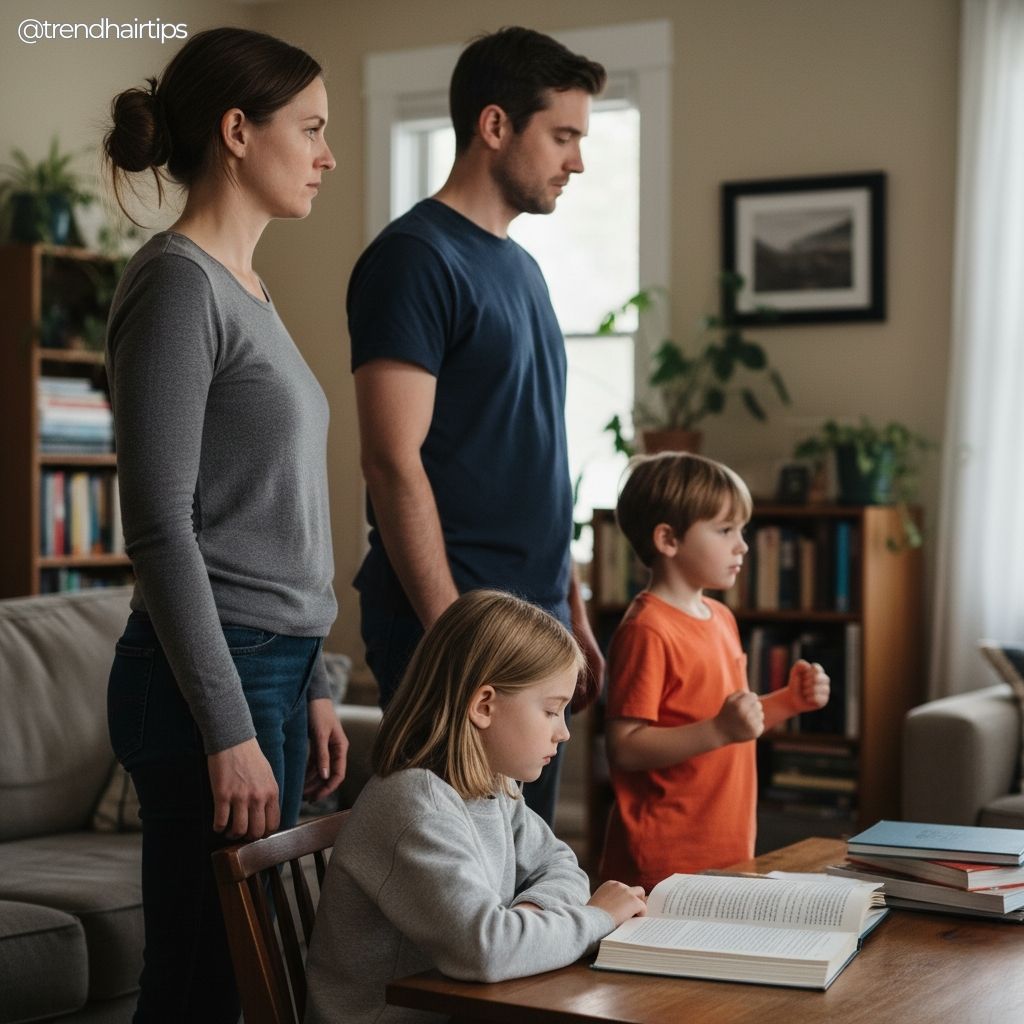
It was a weekday evening, the kind where everyone is already running on empty. Dinner was late. Homework was unfinished. Miles wanted help building something that had already fallen apart twice. Nora was trying to concentrate and needed quiet. Chris and I were both doing that mental juggling parents do, tracking everyone’s needs while ignoring our own.
Miles interrupted Nora for the third time.
She snapped.
He yelled back.
I stepped in immediately, already tense, already forming the sentence that would shut things down.
“Miles, if you don’t stop—”
He cut me off, loud and panicked. “She’s always mad at me!”
Nora shot back, “Because you never listen!”
Chris sighed, that quiet, weary sound that usually signals the beginning of escalation.
And then I heard myself.
Not what I was saying, but how I was saying it.
My voice was rising. My words were speeding up. I wasn’t listening anymore. I was preparing to win the moment by restoring order, even if it meant flattening everyone’s feelings in the process.
I stopped mid-sentence.
Literally stopped, mouth open, words unfinished.
The room went quiet, not because things were resolved, but because the momentum had broken.
And in that pause, I realized something uncomfortable.
Nothing about this argument was new. We had been here before. Many times. The same pattern, different trigger. And every time, escalation felt automatic, almost inevitable.
The problem wasn’t the kids.
The problem was that none of us had a practiced way to pause.
Why Escalation Felt So Automatic
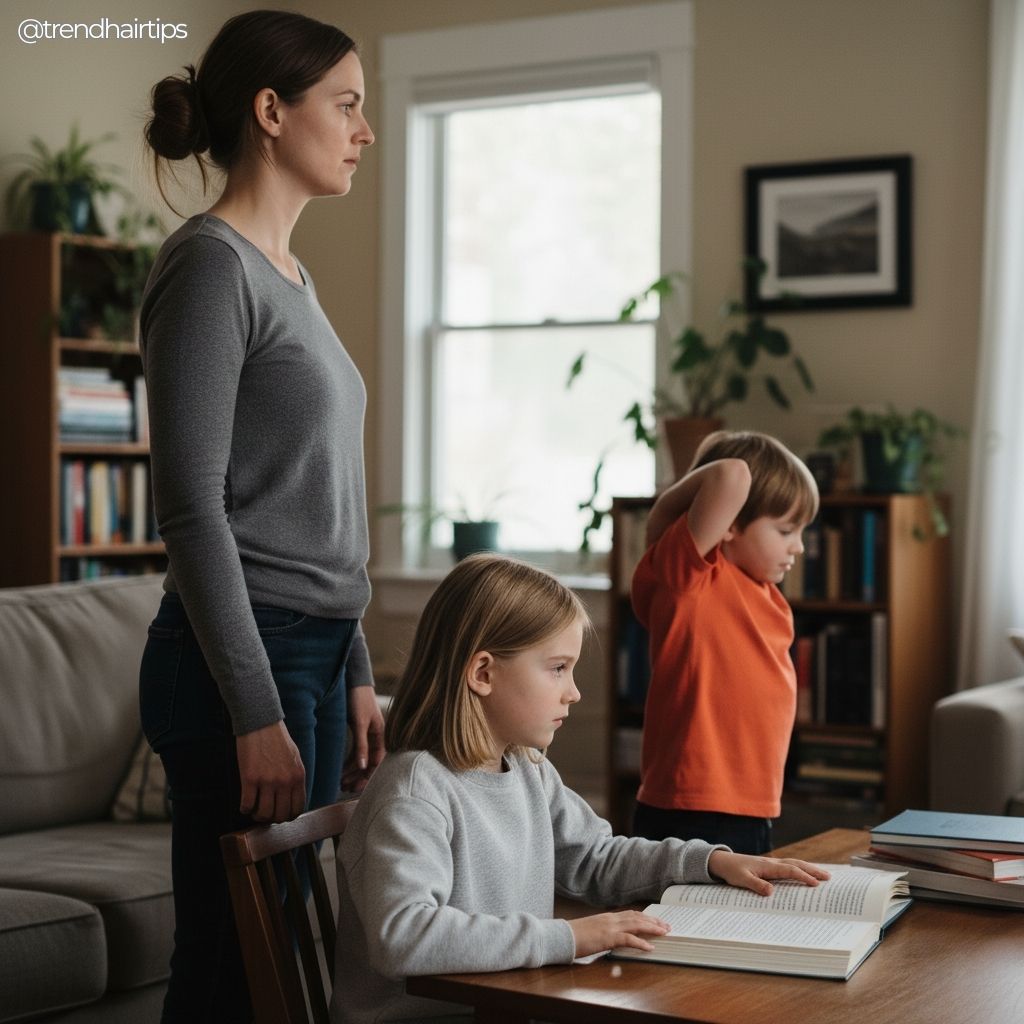
Escalation is fast. It feels productive in the moment. It gives the illusion of control.
When emotions rise, the brain looks for speed, not wisdom. It wants to resolve the threat immediately, even if that resolution creates more damage later. For kids, that shows up as yelling or shutting down. For adults, it shows up as lecturing, correcting, or raising our voices just enough to reassert authority.
We weren’t choosing escalation consciously. Our nervous systems were choosing it for us.
And here’s the part I hadn’t fully admitted yet.
I expected my kids to regulate emotions I wasn’t consistently regulating myself.
That realization was humbling.
The Pause That Felt Unnatural at First
After that night, I started paying closer attention, not just to what triggered arguments, but to the exact moment when things tipped from tension into escalation.
There was always a small window.
A breath.
A tightening of shoulders.
A change in tone.
That was the moment where things could still go either way.
So instead of trying to teach conflict resolution in the middle of arguments, we started practicing the pause outside of them.
Not as a lecture. As a shared skill.
I said to the kids one afternoon, during a calm moment, “Sometimes when we argue, our bodies get loud before our brains catch up. We’re going to practice pausing before things get bigger.”
Miles asked, suspicious, “Like time-out?”
“No,” I said. “Like a reset.”
Nora asked, “What if I’m still mad?”
“You probably will be,” I said. “Pausing doesn’t mean you stop feeling. It means you stop adding fuel.”
That distinction mattered.
What the Pause Actually Looked Like
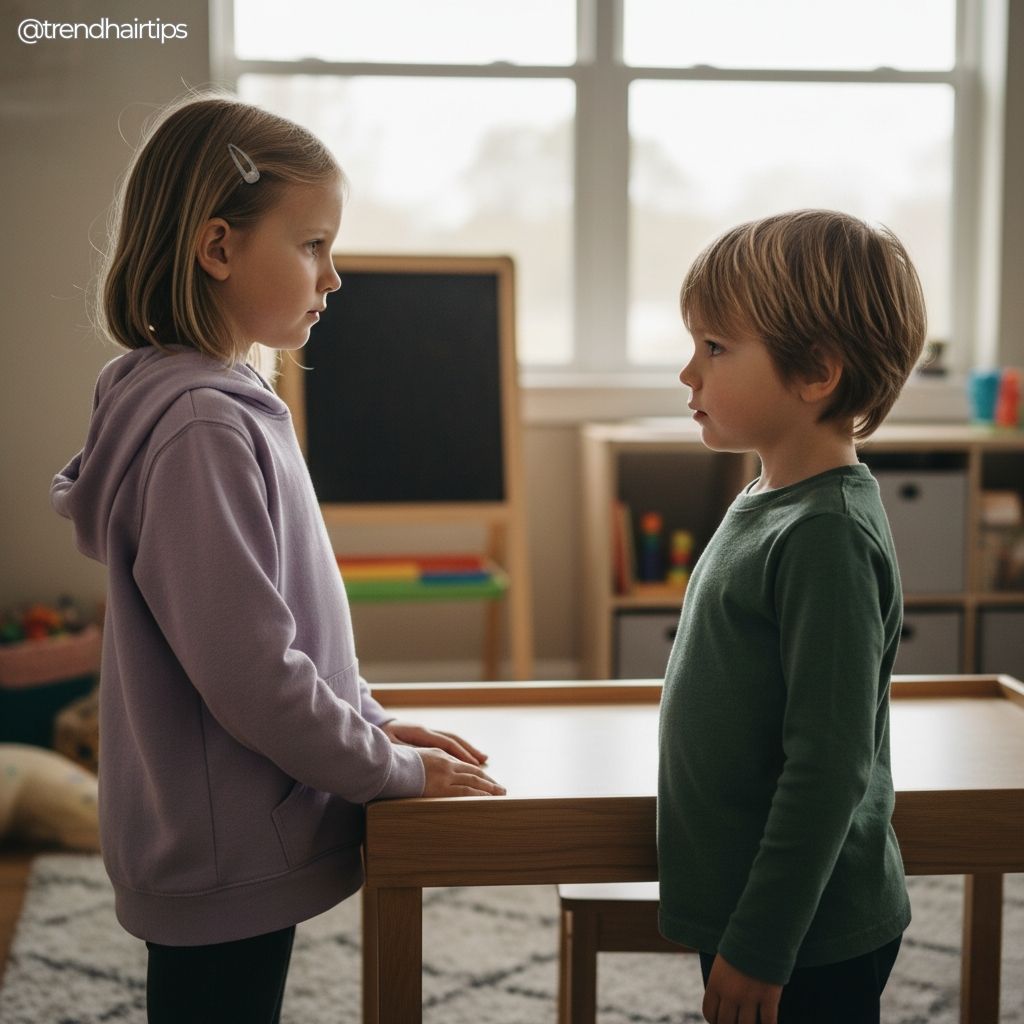
The pause was not silence. Silence can feel punitive or threatening, especially to kids.
Our pause had three parts, and it stayed the same every time.
First, we named it.
Someone would say, “Pause,” or “Let’s stop for a second.” Not shouted. Not dramatic. Just stated.
Second, we did one physical reset.
Nothing complicated. A slow breath. Dropping shoulders. Putting hands on the table. Something to bring the body down a notch.
Third, we delayed the response.
Not the conversation, just the reaction.
Instead of answering immediately, we waited a few seconds. Long enough for the adrenaline to soften. Short enough to feel doable.
That was it.
No speeches. No emotional processing yet. Just interruption of the spiral.
The First Time It Worked (And Felt Weird)
The first real test came a few days later.
Miles was frustrated with a game. Nora corrected him. He snapped. She snapped back.
I felt the familiar surge rise in my chest.
And then Nora surprised me.
She said, very stiffly, “Pause.”
Miles scoffed. “I don’t want to pause.”
“I do,” she said. “My voice is getting loud.”
Chris and I froze, deliberately staying out of it.
Nora took a breath, shaky but real. Miles stood there, fuming, but watching.
After a moment, he said, “I’m still mad.”
“I know,” Nora said. “I just don’t want to yell.”
That moment wasn’t calm. It wasn’t tidy. But it was different.
They didn’t solve the argument immediately. But they didn’t escalate it either.
That was new.
What Changed When We Stopped Escalating
Over time, the pause started to change the tone of our disagreements.
Arguments became slower.
Words became more intentional.
Repair happened sooner.
Most importantly, blame softened.
When you pause, you give the other person proof that you’re not trying to overpower them. That alone reduces defensiveness.
Miles stopped yelling quite as quickly because he no longer felt rushed into defending himself. Nora stopped snapping as sharply because she had a way to protect herself from overwhelm without attacking.
And for Chris and me, pausing forced us to confront our own habits.
It made us notice how often we were about to escalate simply because we were tired.
The Night It Really Clicked
The clearest example came during a late-night argument between Chris and me.
The kids were in bed. We were both drained. A small disagreement about logistics started to heat up, voices tightening, sentences overlapping.
And then Chris stopped.
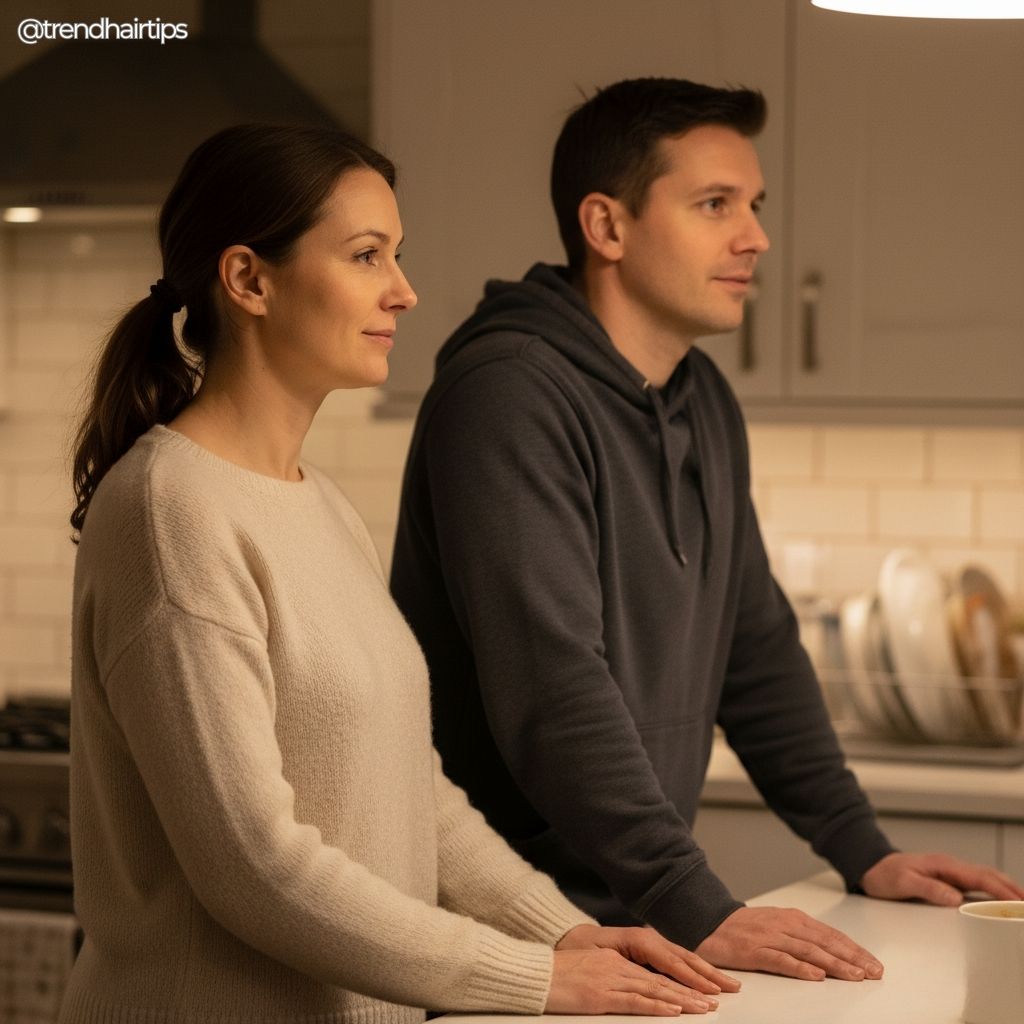
He put his hand on the counter and said, “I need a pause. I’m about to say something I don’t mean.”
That stopped me cold.
Because it wasn’t avoidance. It was awareness.
We both took a breath. The silence felt awkward, unfinished, but it worked. When we resumed, the conversation was still serious, but it wasn’t sharp. We stayed on the issue instead of drifting into accusation.
Later, Nora overheard us talking about it and said, “You paused like us.”
“Yes,” I said. “We’re still learning too.”
Her shoulders relaxed when I said that.
Why Pausing Taught More Than Winning Ever Did
What I learned through all of this is that kids don’t need adults who never argue.
They need adults who show them how arguments can stay safe.
Pausing doesn’t mean you let things slide. It doesn’t mean you suppress feelings or avoid conflict. It means you choose regulation over reaction, connection over control.
It teaches kids that disagreement doesn’t equal danger.
That lesson is enormous.
Actionable Ways to Practice This at Home
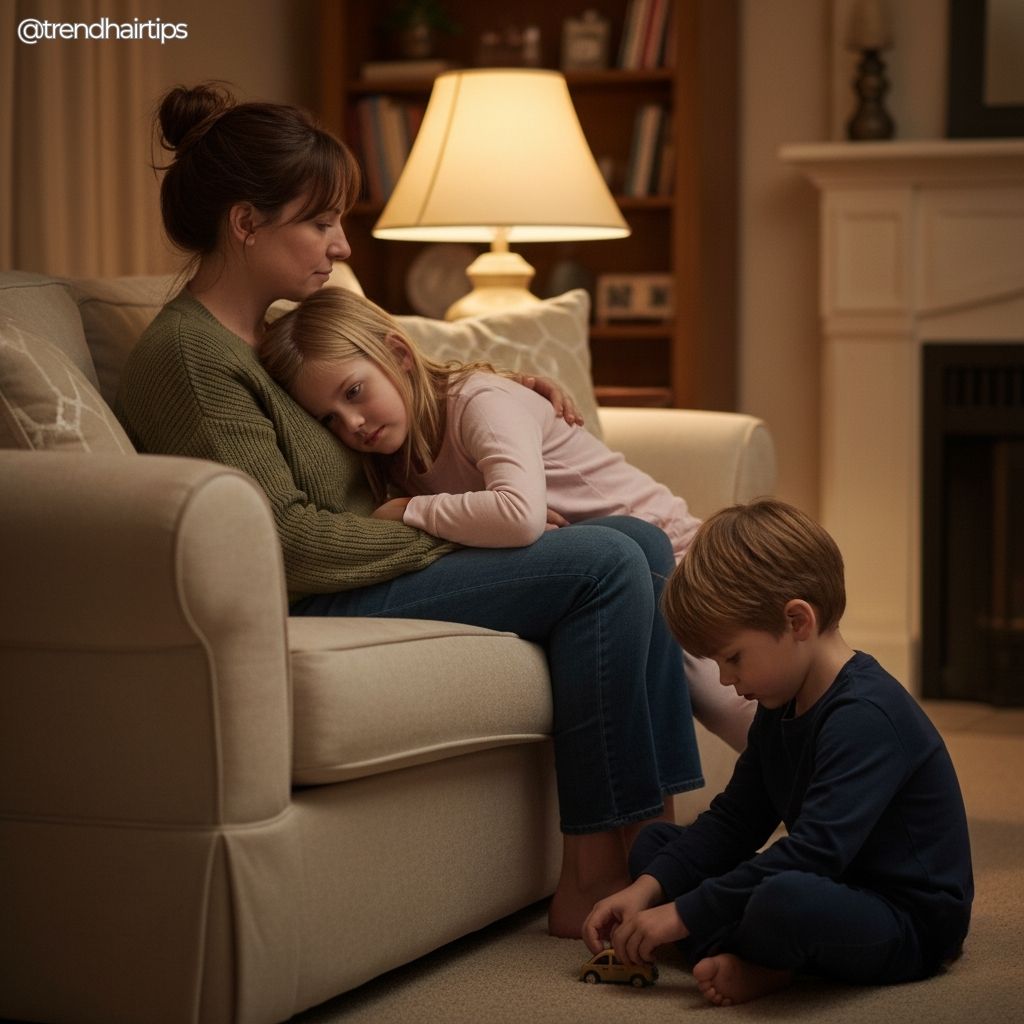
What worked for us was not perfection, but consistency.
We practiced pausing during calm moments.
We modeled it during adult disagreements.
We praised the pause, not the outcome.
We allowed feelings to exist after the pause.
We returned to the conversation when bodies were calmer.
Most importantly, we treated pausing as a shared skill, not a rule imposed on kids.
The Mistake I Almost Made
I almost turned pausing into another expectation kids could “fail” at.
At first, I corrected too much. I pointed out when they didn’t pause fast enough or correctly enough.
That backfired.
Pausing only works when it feels like support, not surveillance.
Once I let go of monitoring and focused on modeling, it became natural.
Final Thoughts
Learning to pause instead of escalate didn’t make our home conflict-free.
We still argue. We still get frustrated. Voices still rise sometimes.
But now, escalation is no longer the default.
There’s a beat of space where choice lives.
And in that space, our kids are learning something far more valuable than compliance.
They’re learning that strong feelings don’t have to turn into damage. That disagreements can stay human. That control isn’t about volume.
Sometimes, all it takes is the courage to stop mid-sentence and choose a different next step.
That pause has changed the way we argue.
And quietly, steadily, it’s changing the way our kids will too.