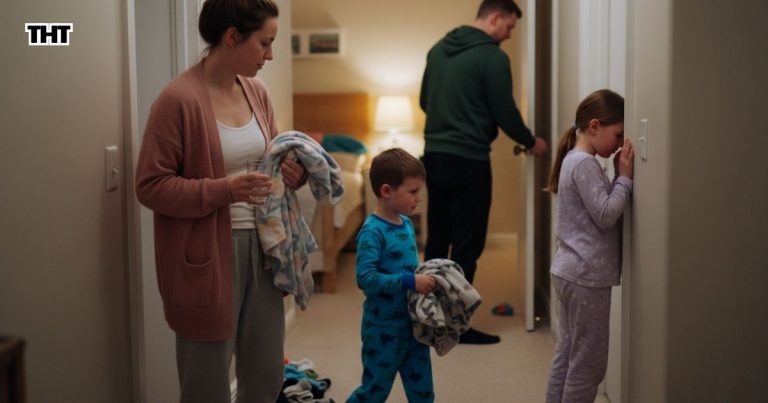
The Moment I Realized My Child Needed Practice, Not Consequences
For a long time, I thought consequences were the backbone of good parenting. Not harsh ones. Not scary ones. Just reasonable, logical consequences. The kind parenting books praise and adults nod along to approvingly. You make a poor choice, something uncomfortable follows, and next time you choose better. Clean, fair, effective. Except one afternoon, standing…
For a long time, I thought consequences were the backbone of good parenting.
Not harsh ones. Not scary ones. Just reasonable, logical consequences. The kind parenting books praise and adults nod along to approvingly. You make a poor choice, something uncomfortable follows, and next time you choose better. Clean, fair, effective.
Except one afternoon, standing in our living room with Miles red-faced and shaking over something that looked small on the surface, I realized that the consequence I was about to give him wasn’t going to teach him anything at all.
It was only going to teach him that he was bad at something he hadn’t actually learned yet.
That moment quietly changed the way I parent.
The Pattern I Couldn’t Ignore Anymore
Miles has always been intense. Six years old, big feelings, fast reactions, and a nervous system that goes from zero to explosion before his words have a chance to catch up. When something frustrates him, his body reacts first. Voice gets loud. Hands move too fast. Logic arrives late, if at all.
For a while, I handled this the way many parents do. I treated repeated behavior as defiance instead of data.
If he yelled, there was a consequence.
If he grabbed, there was a consequence.
If he melted down, there was a consequence.
The consequence was usually reasonable. Time away. Loss of a privilege. A calm explanation about expectations.
And yet the same behaviors kept showing up.
Not occasionally. Repeatedly.
Which should have been my clue.
Because repetition doesn’t always mean refusal. Sometimes it means the skill isn’t there yet.
I just hadn’t wanted to admit that, because admitting it meant something uncomfortable. It meant the problem wasn’t that Miles wasn’t choosing better. It was that he didn’t yet know how.
The Moment Everything Shifted
The moment came on a weekday afternoon after school, the time of day when everyone’s emotional reserves are already thin.
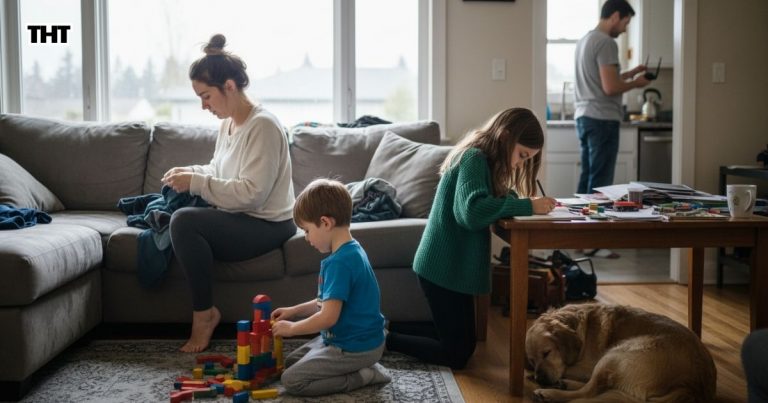
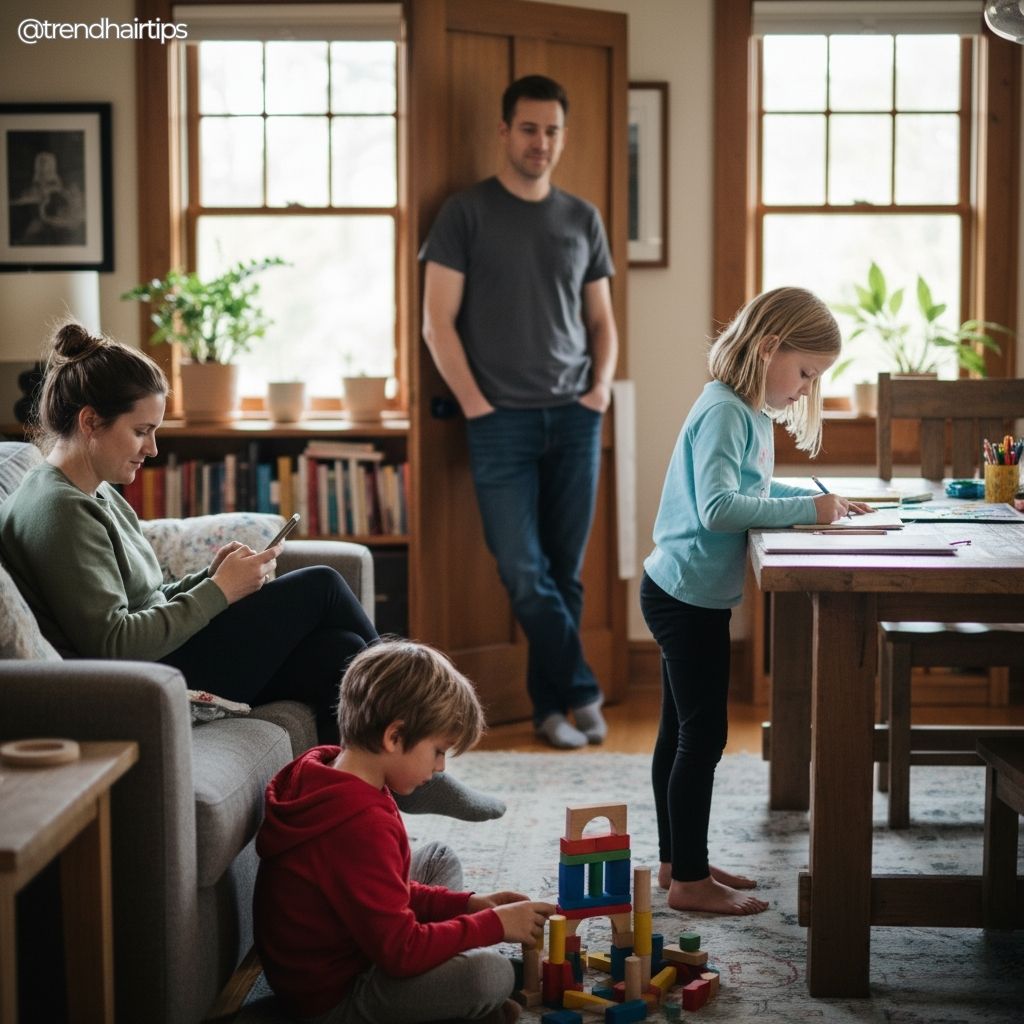
Nora was working on a project at the table, focused and quiet. Miles was trying to build something elaborate on the floor, a complicated structure with pieces that refused to cooperate. I was nearby, half-watching, half-answering an email, enjoying the rare illusion of calm.
Then the structure collapsed.
Not dramatically. Just enough to ruin the vision in his head.
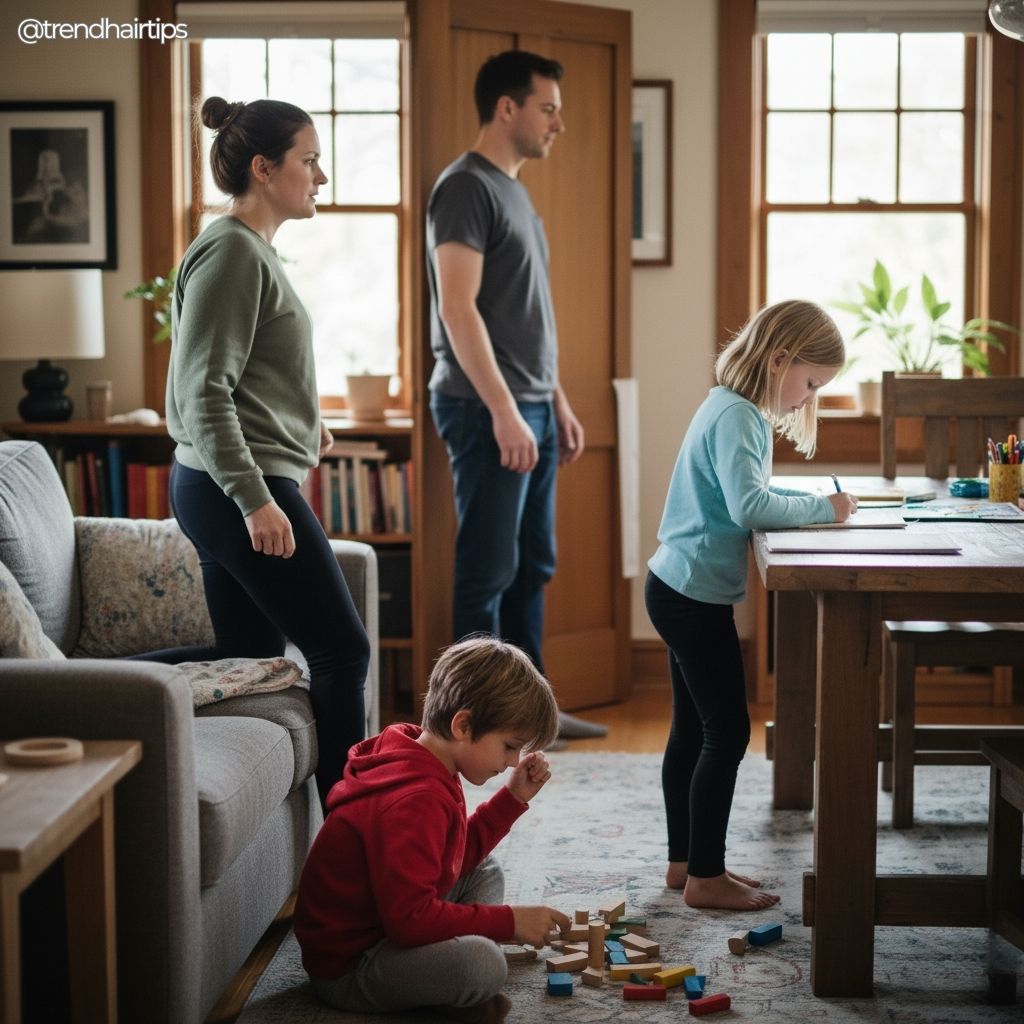
Miles froze for half a second, which is always the warning sign, and then he yelled. Loud, sharp, explosive. He kicked a piece across the room, startling Nora, who jumped and yelled back.
“Miles!” she snapped.
He yelled again, louder.
I felt the familiar tightening in my chest, the reflex that says this again, and I stood up ready to deliver the usual response. Separation. Calm-down time. Consequence.
I even opened my mouth to say it.
But then I saw his face.
He wasn’t smug. He wasn’t testing me. He wasn’t calculating whether he could get away with it.
He was panicked.
His eyes were wide. His breathing was fast. His body looked like it had already decided the world was unsafe and was bracing for impact.
And suddenly, the idea of a consequence felt ridiculous.
Because consequences are for choices.
What I was seeing wasn’t a choice. It was a nervous system without enough practice staying steady under frustration.
The Question That Changed My Thinking
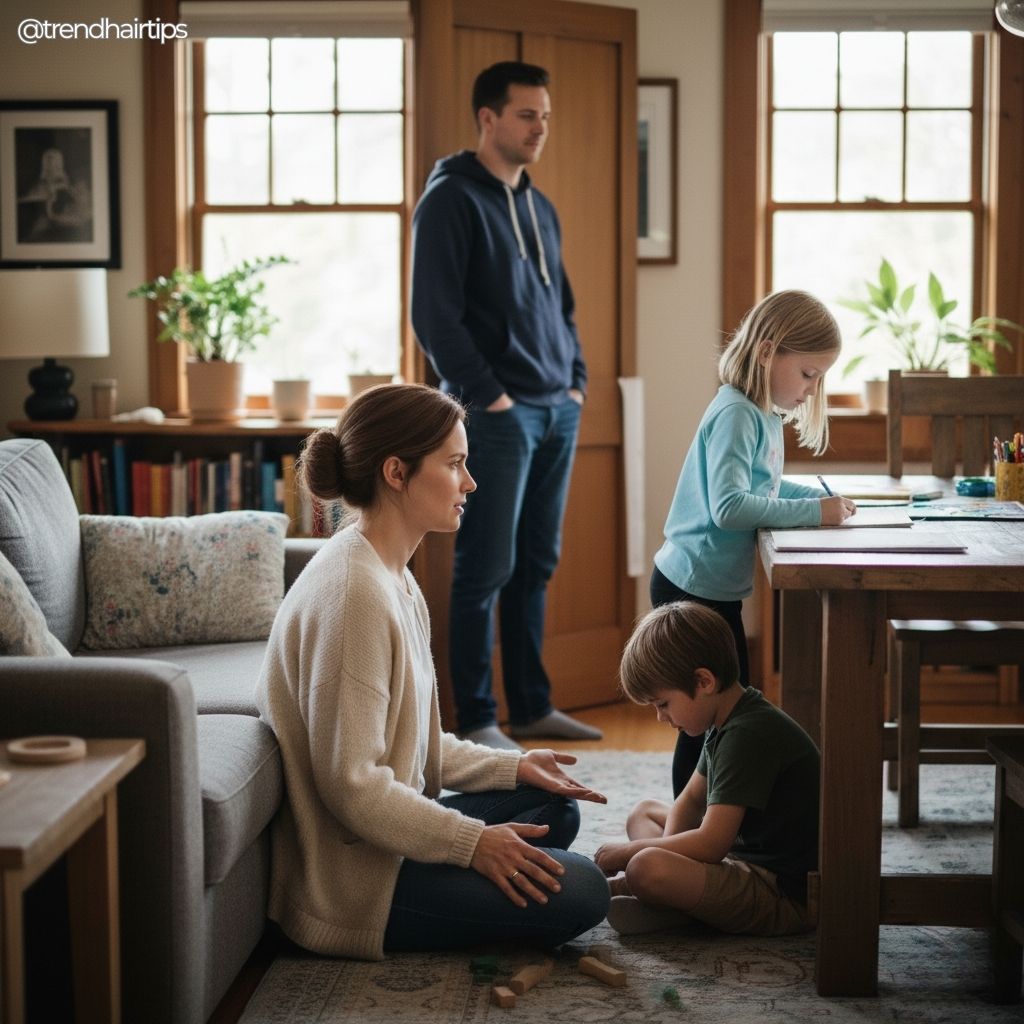
Instead of sending him away, I sat down on the floor near him. I didn’t touch him. I didn’t lecture. I just lowered my voice and said something I had never said in moments like this before.
“Buddy, it looks like your body doesn’t know what to do when things fall apart yet.”
He sobbed. Not dramatically. Just raw, exhausted crying.
“I hate it when it breaks,” he said. “It makes my head loud.”
That sentence landed hard.
Because kids don’t describe defiance that way. They describe overwhelm that way.
And in that moment, a question surfaced that I wish I’d asked myself sooner.
If he doesn’t know what to do yet, why am I punishing him for not doing it?
Consequences vs. Practice: The Difference I Had Missed
Consequences assume understanding.
They assume the child knows what the expected behavior is and has the ability to access it in the moment, but is choosing not to.
Practice assumes learning.
It assumes the skill is incomplete, fragile, or inaccessible under stress.
Miles wasn’t refusing to calm down. He was failing at it. And failure is not corrected through penalties. Failure is corrected through repetition, guidance, and support.
That realization forced me to reframe the behavior entirely.
Yelling wasn’t the problem.
Kicking wasn’t the problem.
Melting down wasn’t the problem.
The problem was that Miles hadn’t had enough guided reps handling frustration without his body taking over.
What Practice Looked Like in Real Life
Practice didn’t mean endless patience or permissiveness. It meant intentional teaching during low-stress moments, not punishment during high-stress ones.
We started small.
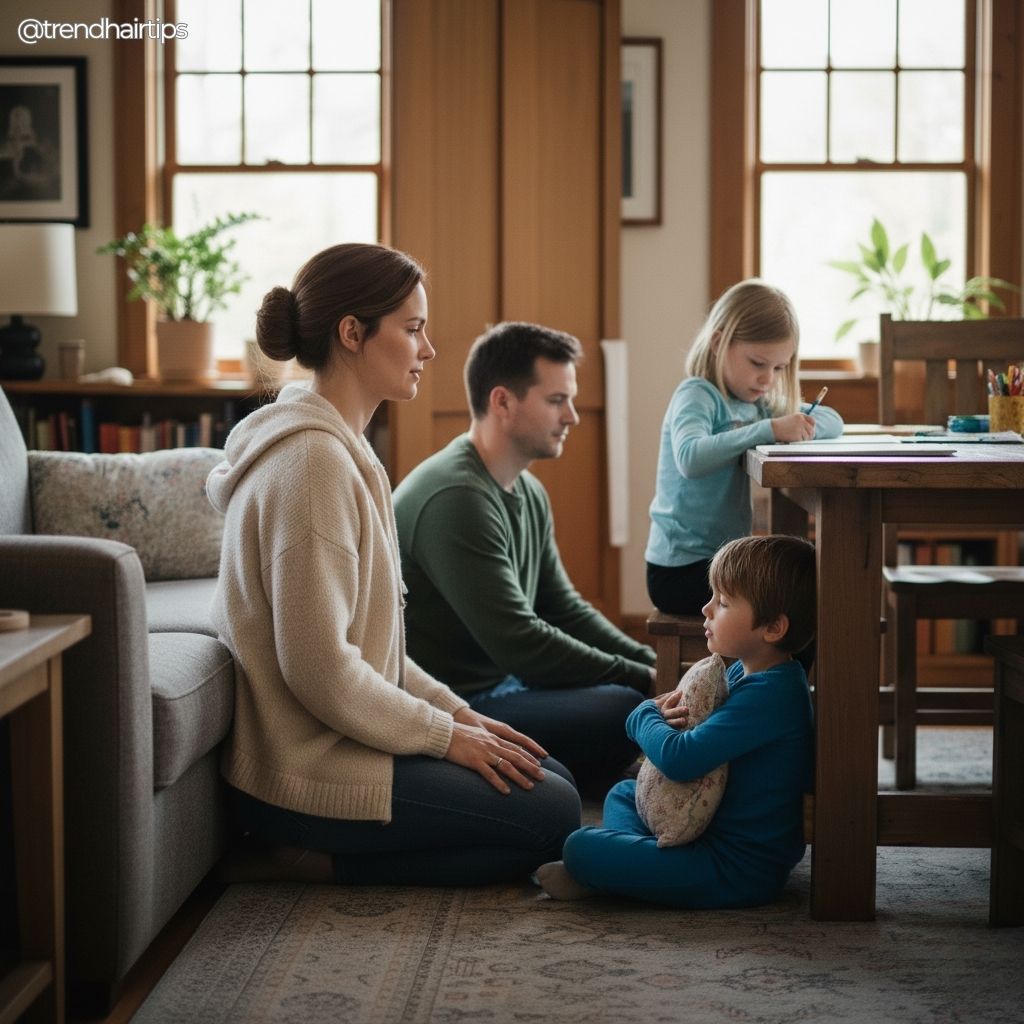
When things were calm, we talked about frustration like it was a skill gap, not a character flaw.
“When something goes wrong, your body wants to react fast,” I told him. “We’re going to help it learn a slower option.”
We practiced what that slower option looked like.
Not with lectures. With rehearsal.
We practiced noticing the first sign of frustration, tight hands, hot face, loud thoughts. We practiced pausing for one breath, not five, just one. We practiced words he could use instead of yelling.
“This is hard.”
“I need help.”
“I want to try again.”
We practiced walking away and coming back. We practiced squeezing a pillow. We practiced asking for space without shouting.
And when he messed up, which he did often, I stopped asking, “Why did you do that?”
I started asking, “What part was hardest for your body?”
That single shift changed everything.
What Happened When I Stopped Leading With Consequences
At first, nothing magical happened.
Miles still yelled. He still kicked. He still melted down.
But something subtle changed in me, which changed the whole dynamic.
I stopped sounding disappointed.
I stopped sounding like I was keeping score.
I started sounding like a coach.
Instead of, “You know better,” I said, “That was a hard moment. Let’s try it again.”
Instead of, “You’re losing your screen time,” I said, “Looks like your body got overwhelmed. Let’s reset and practice.”
And here’s the surprising part.
Once the shame left the room, progress started showing up.
Not all at once. Not dramatically. But consistently.
He started catching himself halfway through a reaction. He started asking for help sooner. He started naming frustration before it exploded.
One day, after a block tower fell, he clenched his fists, took a breath, and said, “I’m really mad.”
That was it. That was the win.
Not silence. Not perfection.
Awareness.
What This Taught Nora Too
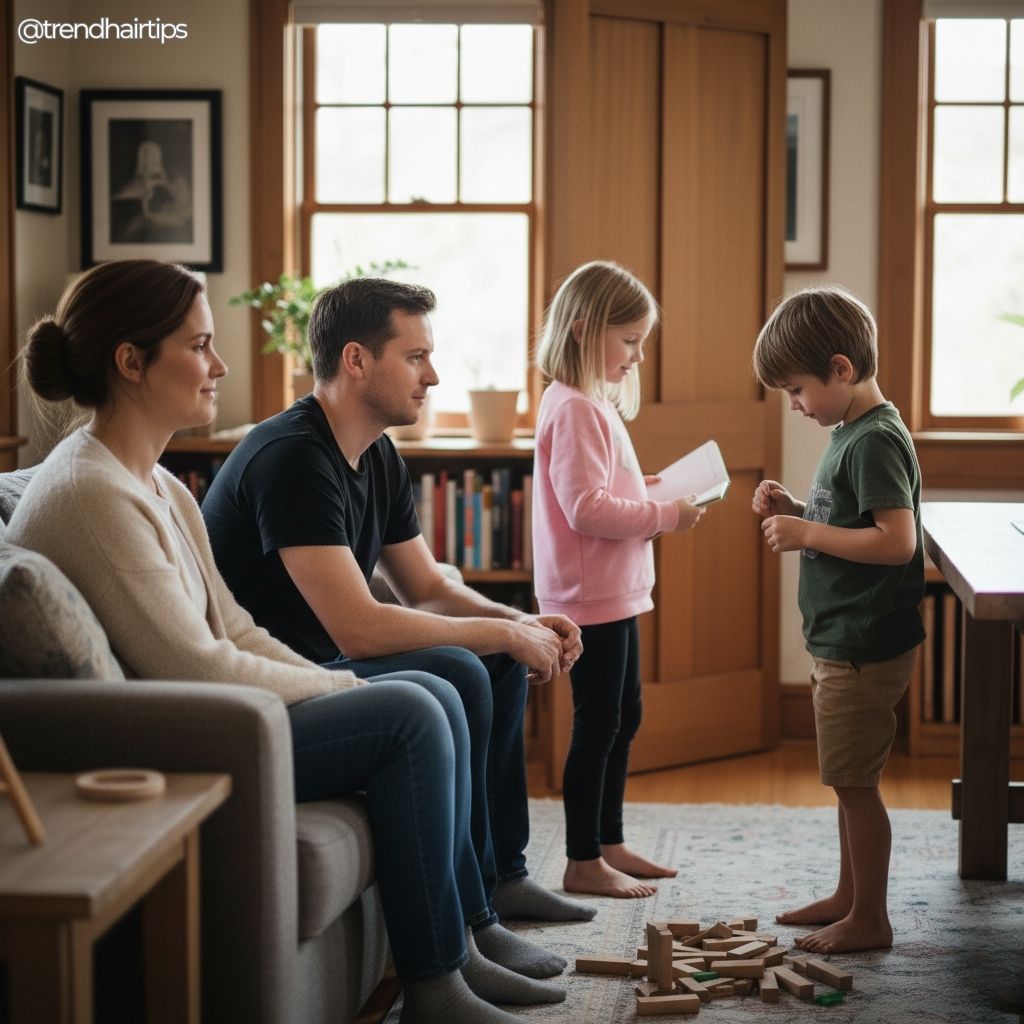
Nora was watching all of this closely.
She’s older, more internal, more likely to implode than explode, but she has her own version of frustration, the kind that turns inward and becomes self-criticism.
When she saw me respond to Miles with practice instead of punishment, something shifted for her too.
One afternoon, after struggling with homework, she said quietly, “I think I need more practice at this.”
Not, I’m bad at this.
Not, I should already know this.
Just, I need practice.
That language matters.
Because kids who believe they need practice stay in the learning zone. Kids who believe they deserve consequences for mistakes leave it.
The Hardest Part for Me
The hardest part of this shift wasn’t changing how I responded to Miles.
It was changing how I talked to myself.
Because I had to let go of the belief that good parenting looks like control. That consistency means punishment. That if a behavior repeats, consequences must escalate.
Sometimes repetition isn’t defiance. It’s an unfinished lesson.
And unfinished lessons don’t need harsher rules. They need more teaching.
Actionable Takeaways You Can Actually Use
Here’s what made this approach work in our home, in practical, real terms.
We separated behavior from skill.
We practiced during calm moments, not crises.
We named body signals before emotions exploded.
We reduced shame by staying curious instead of corrective.
We treated mistakes as data, not disrespect.
And when consequences were needed, because sometimes they are, we used them sparingly and clearly, making sure they matched understanding, not overwhelm.
The Part I Got Wrong Before
I assumed that because I had explained expectations, my child should be able to meet them under stress.
That assumption cost us time and trust.
Explaining is not the same as practicing. Knowing is not the same as doing. And doing under pressure is a separate skill entirely.
Once I understood that, everything softened.
Not because standards disappeared, but because teaching replaced punishment.
Final Thoughts
The moment I realized my child needed practice, not consequences, was the moment parenting stopped feeling like enforcement and started feeling like guidance.
Miles didn’t need to be scared into better behavior. He needed reps. He needed support. He needed someone to stand close enough to say, “You’re learning. Let’s try again.”
And now, when things go wrong, which they still do, I no longer ask myself, What consequence fits this behavior?
I ask something much more useful.
What skill is still growing here, and how can I help my child practice it safely?
That question has made our home calmer, our connection stronger, and our kids more capable, not because they fear getting it wrong, but because they trust they’re allowed to learn.
And that, I’ve learned, is where real growth actually happens.