The Week We Let the Kids Plan Dinner and What It Revealed About Control
The idea sounded harmless when it first came up, which is usually how the most revealing parenting experiments begin. We were standing in the kitchen on a Sunday afternoon, staring into the fridge with the familiar mix of hope and resignation. Chris was scanning shelves like he might discover a hidden solution behind the mustard….
The idea sounded harmless when it first came up, which is usually how the most revealing parenting experiments begin.
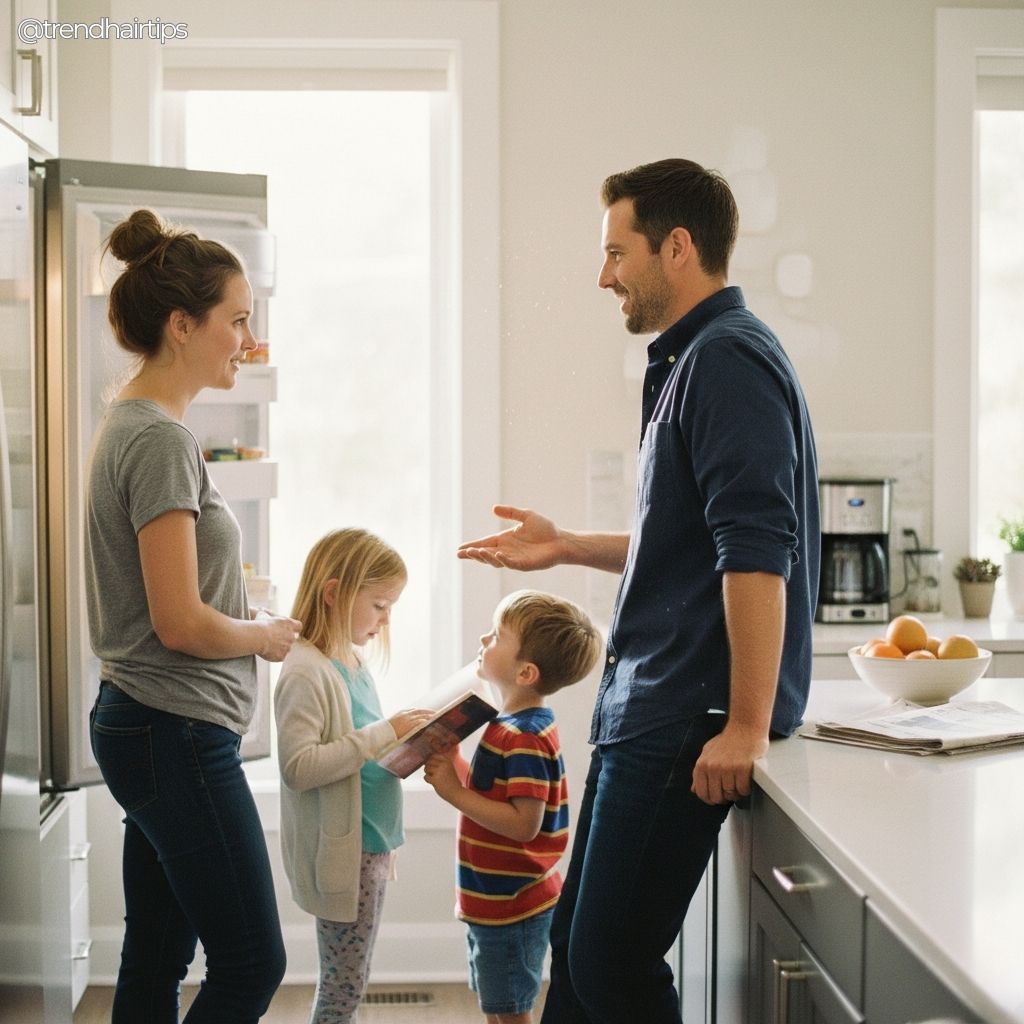
We were standing in the kitchen on a Sunday afternoon, staring into the fridge with the familiar mix of hope and resignation. Chris was scanning shelves like he might discover a hidden solution behind the mustard. Nora was nearby, flipping through a book but clearly listening. Miles was asking, for the fourth time, what was for dinner, as if repetition might summon a better answer.
I sighed and said, half joking, “I feel like I decide every meal of my life.”
Nora looked up immediately. “You always pick,” she said, not accusing, just stating a fact.
Miles added, “And sometimes you pick stuff I don’t like.”
Chris raised an eyebrow at me, the way he does when he senses a potential experiment forming.
And that’s when I said the thing I did not fully think through.
“Okay,” I said. “What if this week, you two plan dinner?”
There was a pause.
Then Nora said, “Like… all of it?”
Miles said, “Can we pick anything?”
Chris asked, calmly, “Define ‘plan.’”
I laughed. “You pick the meals. We’ll help with shopping and cooking, but the choices are yours.”
At the time, I thought this would be a fun way to give them ownership, maybe even reduce the nightly negotiations. What I didn’t realize was that by handing over dinner decisions, I was also handing over something much bigger.
I was handing over control.
And control, it turns out, is where a lot of family tension quietly lives.
Day One: Excitement Masquerading as Confidence
The planning started strong.
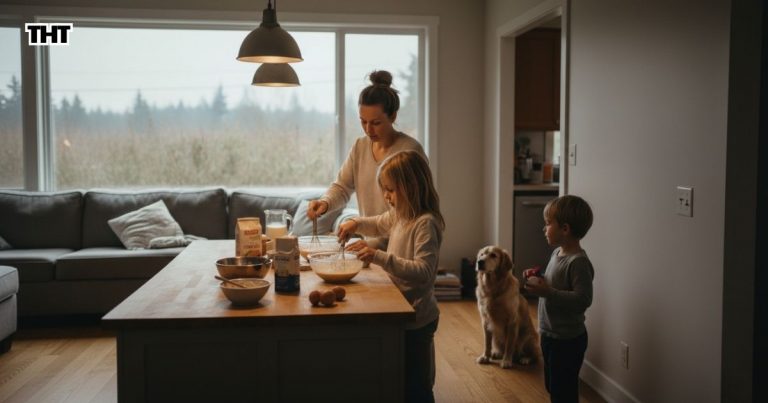
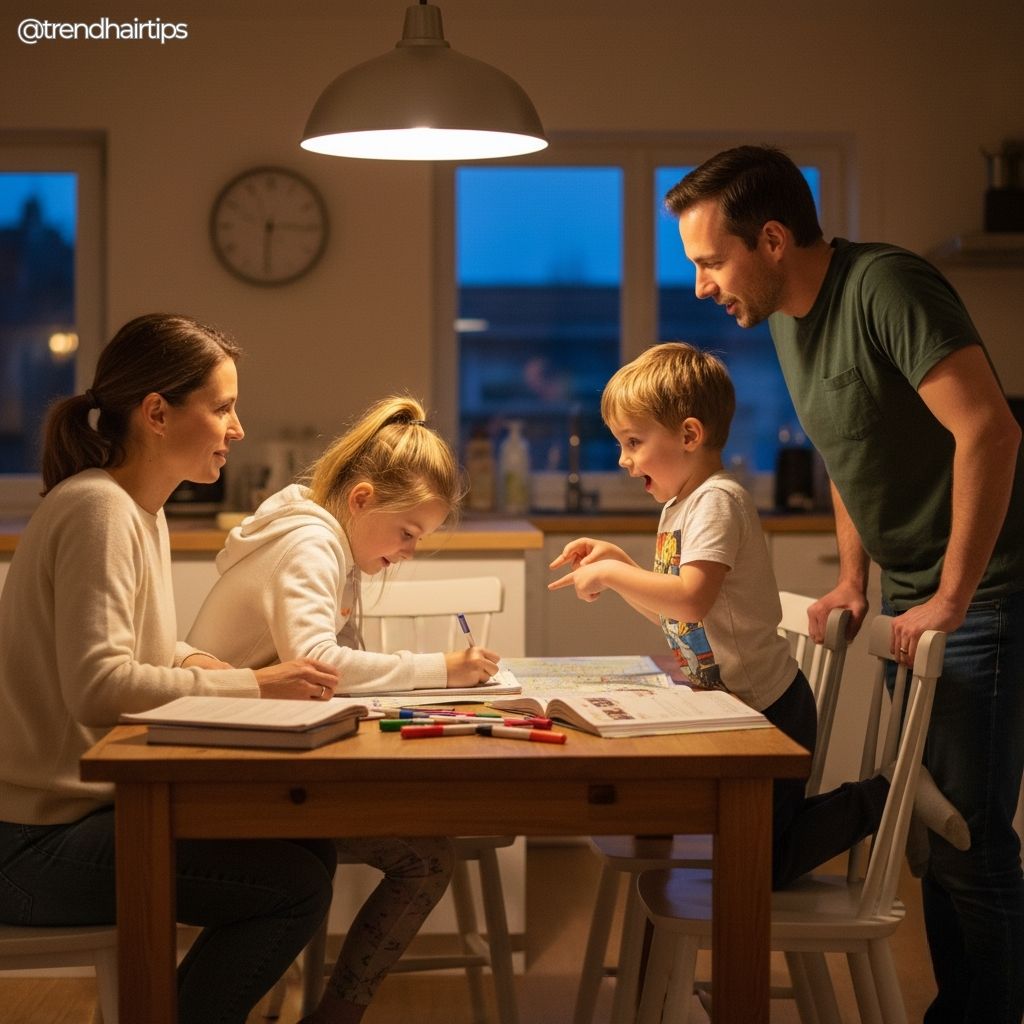
Nora approached it like a project manager. She grabbed a notebook, made a list of days, and immediately began categorizing meals by “healthy,” “okay,” and “treat.” She asked thoughtful questions about balance and portions, which did not surprise me, because Nora likes structure and wants to do things “right.”
Miles, on the other hand, approached the task like he’d just been given the keys to a candy store.
“Monday should be pizza,” he declared.
“Tuesday should be hot dogs.”
“Wednesday should also be pizza but different pizza.”
Nora frowned. “You can’t have pizza every day.”
“Yes I can,” Miles said confidently. “I’m the planner.”
I watched this unfold with interest, because already the dynamic was familiar. One child craving control through organization, the other craving control through indulgence.
Chris leaned against the counter and whispered, “This is already educational.”
We stepped in only to explain basic boundaries, things like budgets, allergies, and the fact that vegetables are, unfortunately, part of reality. Then we stepped back.
That was harder than I expected.
Because I could already see where this was going, and I had to resist the urge to steer.
The Grocery Store: Where Control Meets Reality
If the planning phase was theoretical, the grocery store was where control met friction.
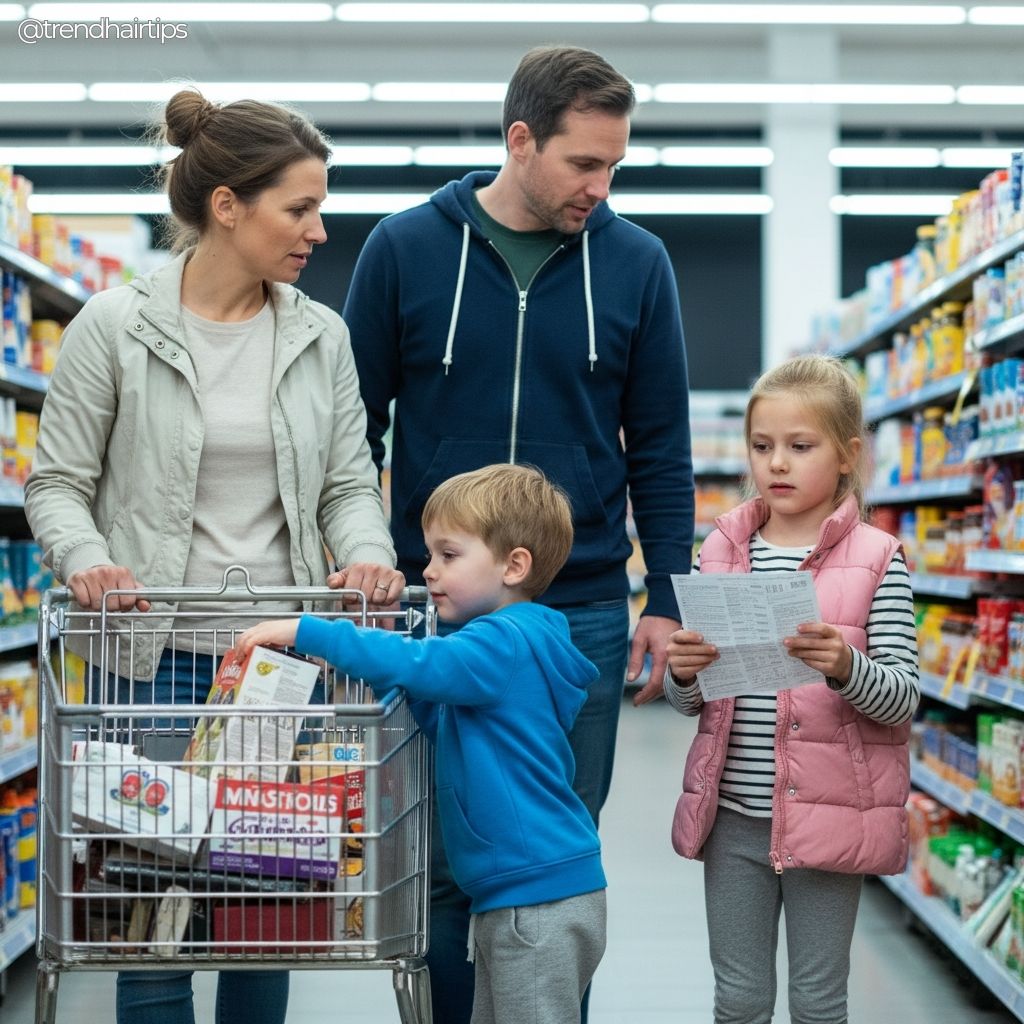
We gave each kid a section of the list. Nora walked the aisles carefully, comparing brands, checking prices, reading labels like a tiny nutritionist. She wanted approval without asking for it outright, glancing up at me occasionally to see if I looked impressed.
Miles, meanwhile, treated the cart like a victory parade.
He tossed things in enthusiastically, then got frustrated when we explained limits.
“We don’t need three boxes of cereal.”
“Yes we do.”
“No, we don’t.”
“But I planned it.”
That sentence stopped me.
I planned it.
What Miles meant was not just “I chose this.” What he meant was “this was my idea, and now it’s being questioned.”
And that’s where control started to reveal itself.
For kids, control often feels like safety. When a decision is theirs, it feels solid. When it’s challenged, even reasonably, it can feel like rejection.
Instead of correcting him immediately, I said, “You planned the meals, not the quantities. Part of planning is adjusting.”
He didn’t like that answer, but he accepted it, which was a small win.
Nora, on the other hand, became quieter as the store got louder. Too many options. Too many decisions. Too much responsibility.
At one point she whispered, “What if I pick something wrong?”
I knelt down beside her and said, “There is no wrong. This is practice.”
That sentence would come back again later in the week.
Midweek Reality Check: Control Is Heavy
By Wednesday, the shine had worn off.
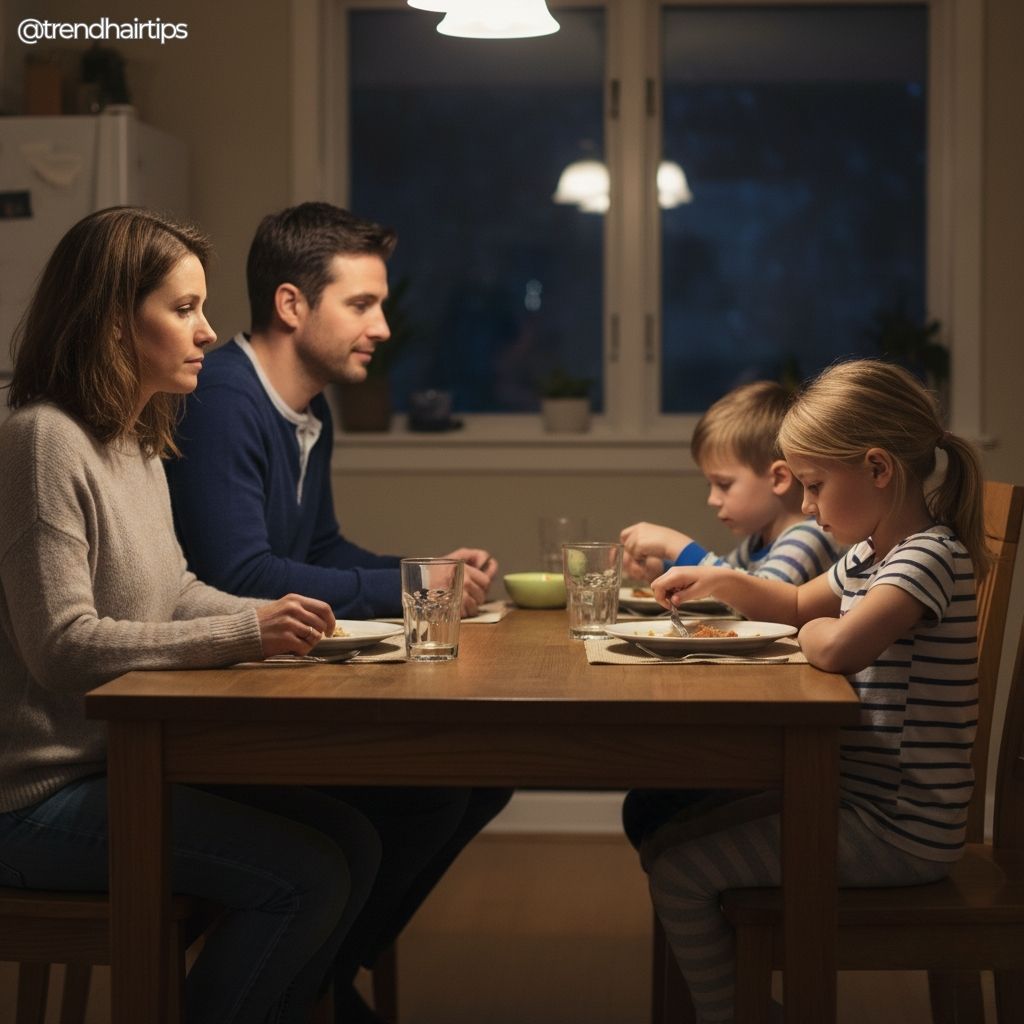
Miles’ enthusiasm dipped sharply the night his chosen meal didn’t turn out the way he imagined. The pasta was too soft. The sauce wasn’t the right color. The excitement he’d felt in planning turned into irritation at execution.
“This isn’t how I thought it would be,” he said, pushing his plate away.
Nora’s night was different but just as telling.
She had planned a balanced meal with care, but halfway through cooking, she froze.
“What if nobody likes it?” she asked, voice tight.
I realized then that control doesn’t always feel empowering. Sometimes it feels like pressure.
When adults hold control, kids can blame outcomes on us. When kids hold control, they feel exposed.
That night, instead of stepping in to fix the meal or reassure them with praise, we did something simple.
We named what was happening.
Chris said, “Planning sounded fun, but doing it is harder.”
Miles nodded. “It’s not fun anymore.”
Nora whispered, “I don’t want to mess up.”
I said, “That’s the part nobody talks about. Control feels exciting until it feels heavy.”
And for the first time, they really heard it.
The Unexpected Lesson: Control vs. Choice
What surprised me most was how the kids began to differentiate between having choices and carrying responsibility.
By Thursday, Nora started asking for input again.
“What do you think would go with this?”
“Is this too much?”
Not because she wanted us to take over, but because she was learning that collaboration feels safer than total control.
Miles, meanwhile, began letting go.
“Can we change this?” he asked one night, genuinely curious, not defensive.
“Yes,” I said. “Plans can change.”
That sentence seemed to relax him more than any praise had all week.
He learned that control didn’t mean locking decisions in forever. It meant being involved, not being trapped.
What the Week Revealed About Us
The biggest revelation, though, wasn’t about the kids.
It was about me.
I realized how much control I usually hold, not because I’m power-hungry, but because it keeps things efficient. It keeps the wheels turning. It prevents chaos.
But efficiency has a cost.
When adults hold all the control, kids don’t get to practice decision-making. They don’t experience the weight of choices. They don’t learn that plans can fail and still be okay.
Letting go was uncomfortable for me. I had to tolerate meals that weren’t ideal, longer cooking times, more mess, and conversations that slowed everything down.
But in exchange, I got insight.
I saw how Nora equates control with worth.
I saw how Miles equates control with freedom.
I saw how both of them need guidance, not dominance.
The Final Night: A Shift in Tone
On Friday night, something changed.
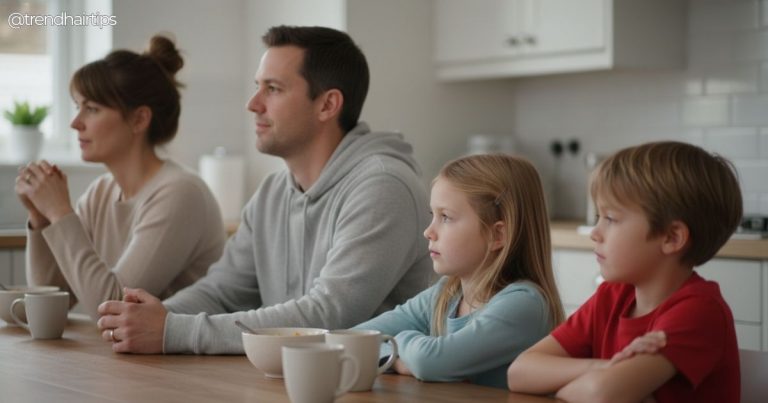
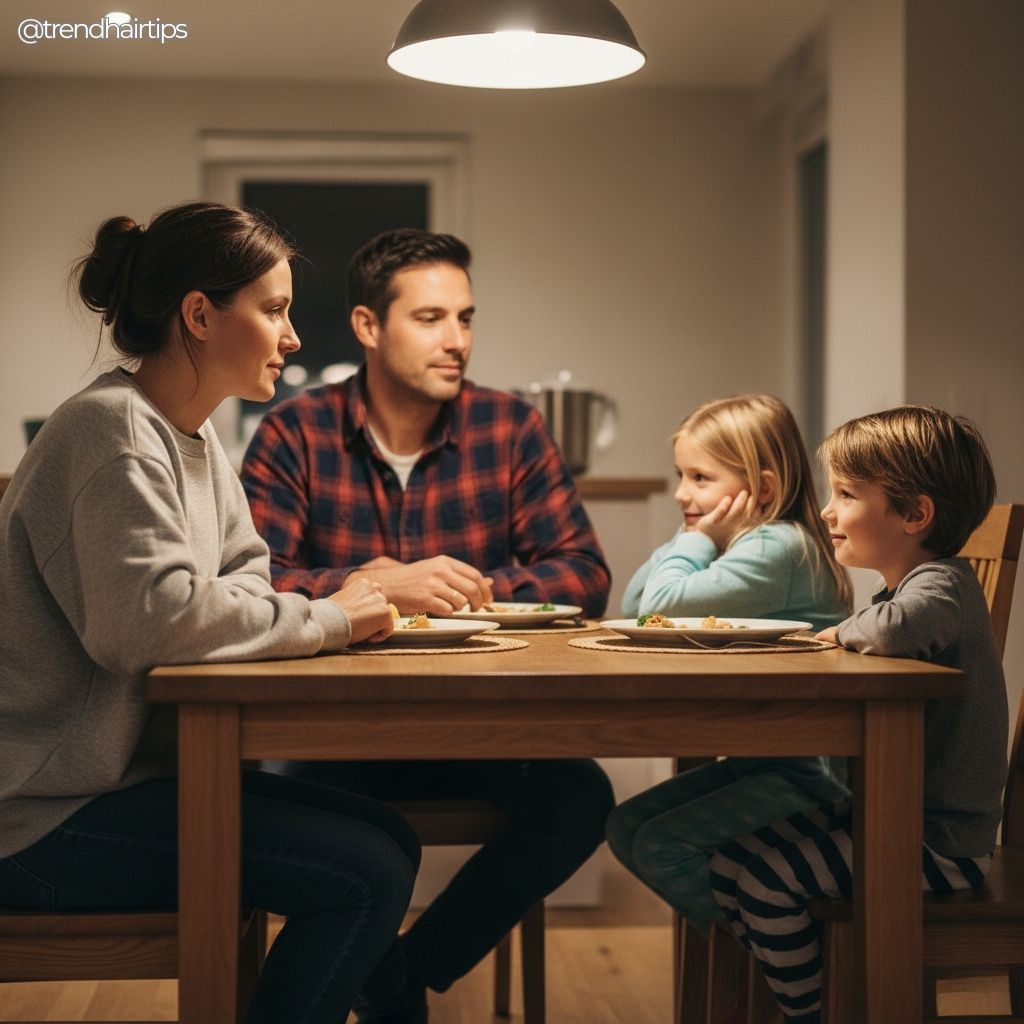
The kids planned together without arguing. They chose something simple. They asked for help early. They adjusted expectations.
At dinner, Miles said, “Next time, we should plan only two days.”
Nora nodded. “And maybe we can plan together instead of separately.”
Chris looked at me and smiled. “Sounds like a committee recommendation.”
I laughed, but my chest felt full.
They weren’t just talking about dinner.
They were talking about balance.
Actionable Takeaways From the Week
Here’s what actually made this experiment valuable, beyond the novelty.
We didn’t rescue meals that went wrong. We stayed present, not corrective.
We allowed disappointment without rushing to fix it.
We talked openly about how control feels, not just what went wrong.
We treated planning as practice, not performance.
We reflected effort and adjustment more than success.
If you try this, start small. A few meals, not a whole week. Be clear about boundaries. Expect discomfort. That’s where the learning lives.
The Part I Messed Up, So You Don’t Have To
I almost took control back midweek.
I wanted to streamline, to “help” by deciding things again. That urge came from my own discomfort, not theirs.
What stopped me was remembering the goal. This wasn’t about smooth dinners. It was about letting my kids experience decision-making safely.
Messy learning is still learning.
Final Thoughts
Letting the kids plan dinner didn’t magically make evenings peaceful or meals perfect.
What it did was show us how deeply control is tied to emotion.
It showed Nora that responsibility doesn’t define her worth.
It showed Miles that choice doesn’t mean chaos.
It showed me that loosening control creates space for growth.
We went back to our usual dinner routine the following week, but something had shifted.
The negotiations were softer. The complaints were fewer. The understanding was deeper.
Sometimes, the most meaningful lessons don’t come from what we teach directly.
They come from what we’re willing to loosen our grip on.
Even if it’s just dinner.