What Letting Miles Handle the Grocery Budget Taught Him About Choices
Miles paused. This was the first moment I saw the lesson begin. Not in a cute way. In a real way. He realized that choosing one thing means not choosing another. He put the chips back, slowly, like it hurt. “I still want cookies,” he said. “Okay,” I said. “Put them in. But we’ll keep…
Miles paused.
This was the first moment I saw the lesson begin. Not in a cute way. In a real way.
He realized that choosing one thing means not choosing another.
He put the chips back, slowly, like it hurt.
“I still want cookies,” he said.
“Okay,” I said. “Put them in. But we’ll keep checking.”
He placed the cookies into the cart carefully, like he was making a serious investment.
The First Big Mistake He Almost Made
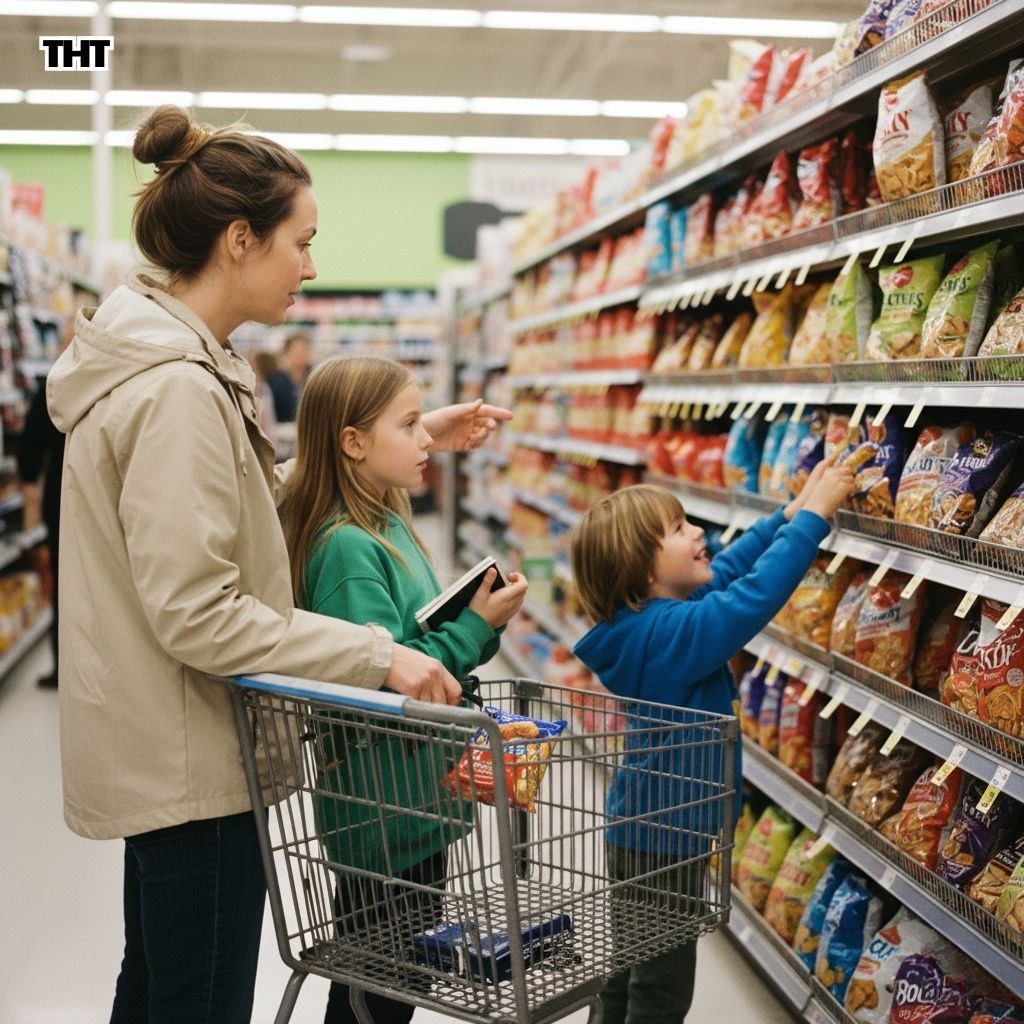
Then we reached the individual snack cakes, the kind that come in shiny wrappers and are basically sugar wrapped in nostalgia.
Miles grabbed a box immediately.
“How much?” I asked.
He checked and said, “Eight.”
Nora whistled under her breath, because Nora is nine and already understands the pain of expensive snacks.
Miles looked at the box again. He looked at the cart. He looked at me.
“I can still get it,” he said, but his voice wasn’t confident now. It sounded like he was trying to convince himself.
This was the moment I wanted to jump in and lecture about value and nutrition and price per ounce, like I’m hosting a grocery budgeting seminar.
Instead, I stayed calm and asked one question.
“If you buy this, what do you think you won’t be able to buy?”
Miles thought.
“Fruit?” he guessed, because he remembered the healthy rule.
“And?” I asked gently.
He stared at the shelves like he was scanning the future.
“Maybe… granola bars.”
“And maybe,” Nora added, “you won’t have enough for more than two snacks.”
Miles’ face tightened.
He held the box and looked genuinely torn, and I realized something important.
This was the exact feeling adults have when we make choices.
We see something we want. We can afford it, technically. But we know it will squeeze everything else. We know it will take away options later. We feel that tension between “I want it” and “I want future me to be okay.”
Miles was learning that tension.
He put the box back.
I didn’t praise him like a dog doing a trick. I just nodded and said, “That was a thoughtful choice.”
He exhaled, relieved, like he had just walked away from a bad deal.
The Turning Point: When He Started Thinking Like a Planner
After that, something shifted.
Miles stopped grabbing everything and started asking questions.
“Is this big?”
“Will this last?”
“How much is this one compared to that one?”
He even started comparing sizes, which made me want to frame the moment.
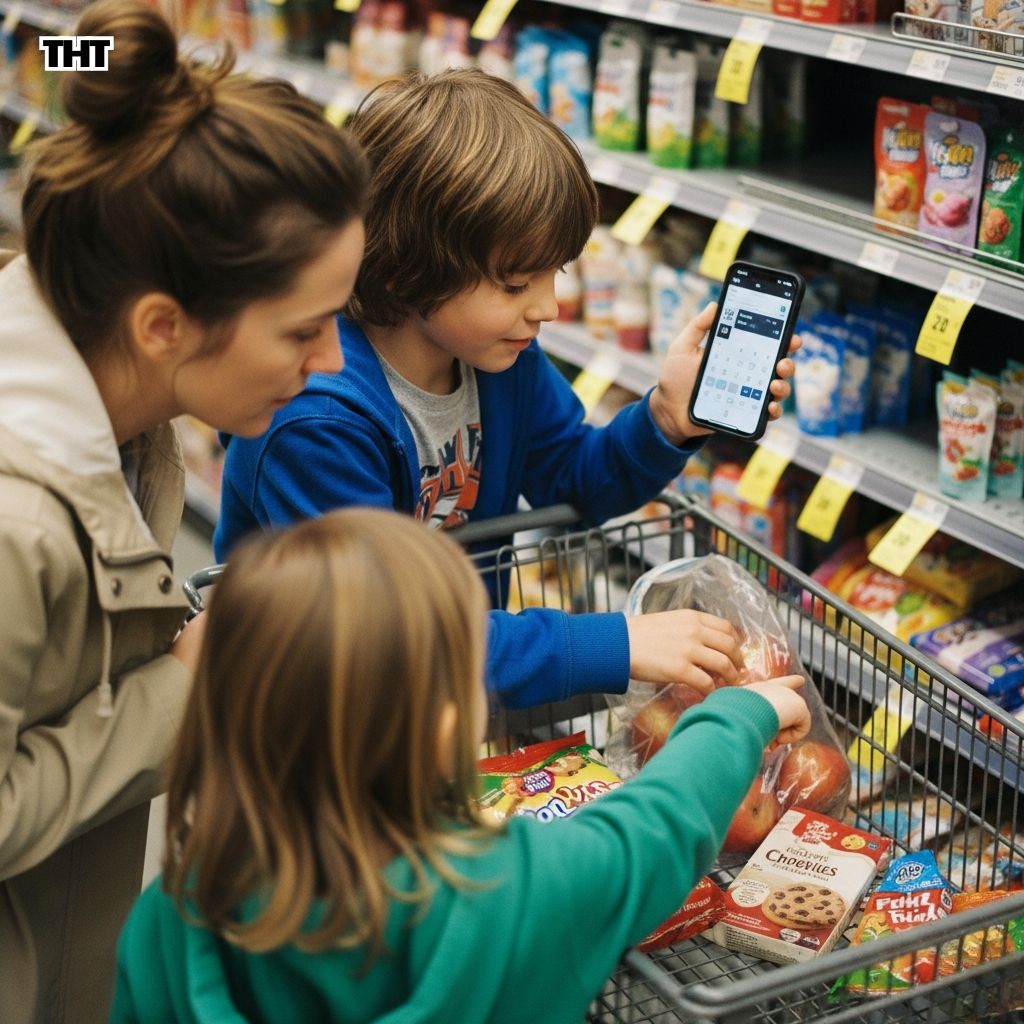
He picked a bag of apples.
“How much?”
I said, “Check.”
He looked carefully. “Five.”
Nora read it. “$4.99.”
Miles nodded like that was reasonable.
He put apples in the cart.
Then he chose a big box of pretzels because he likes crunchy snacks and pretzels feel like a compromise between “fun” and “not completely chaotic.”
Then he looked at yogurt pouches, which surprised me, because I assumed he would ignore them.
“These are good,” he said. “I like these.”
I asked him to check the price.
He did, and he frowned again.
“Seven.”
I said, “Okay. If you want yogurt, we might need to swap something.”
Miles stared at the cart, assessing.
He pointed at the cookies. “Can we do a smaller cookies?”
That sentence alone was worth the whole experiment.
Not because cookies are moral or immoral, but because he was adjusting his plan based on his limits. He wasn’t just demanding. He was prioritizing.
We swapped the family-sized cookies for a smaller pack.
He added yogurt.
He kept apples.
He kept pretzels.
Then he asked for one “fun treat,” which ended up being a small bag of gummy bears.
He checked the total with me as we went, because I used my phone calculator like a quiet assistant, not a boss.
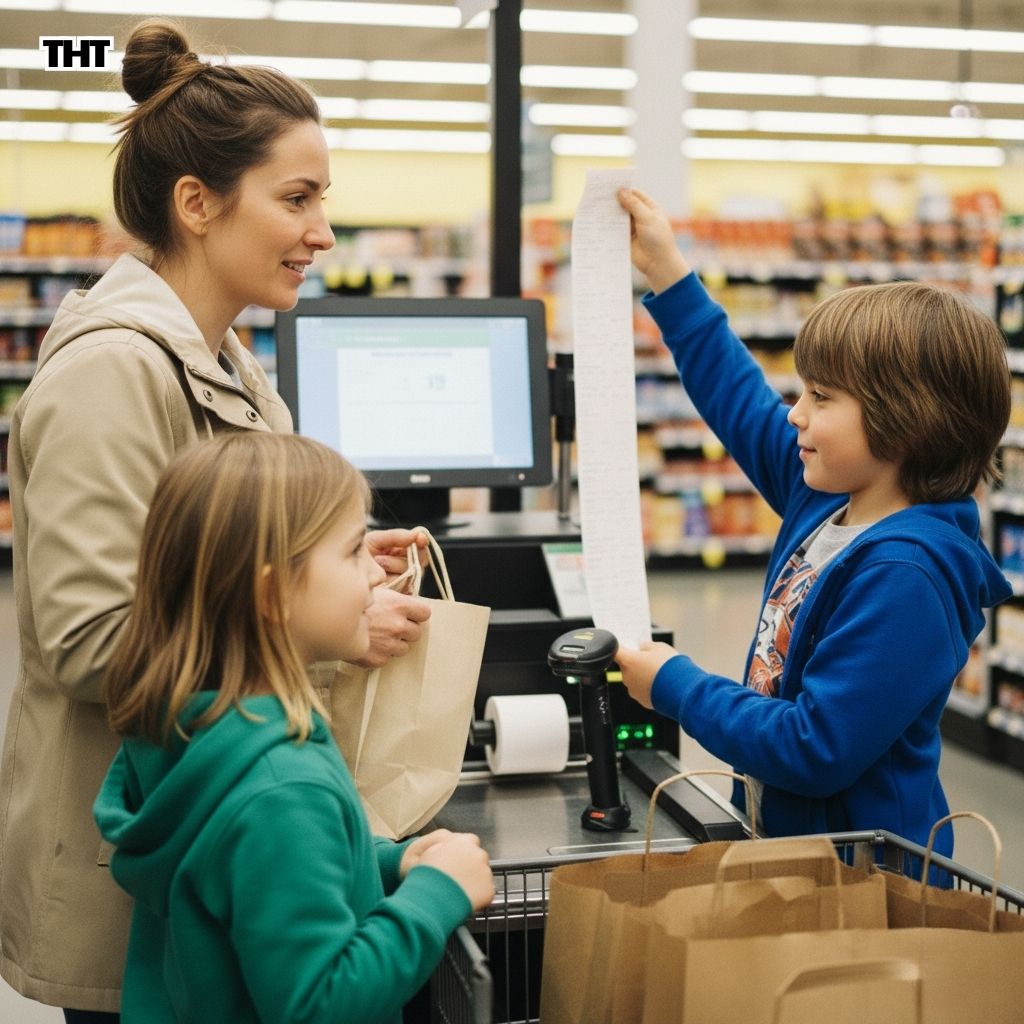
At checkout, his choices totaled $19 and change. He looked at the screen like it was a scoreboard.
“I did it,” he whispered, proud.
Nora said, “He actually did it.”
Chris, later, said, “That was impressively functional.”
That’s basically a standing ovation in Chris language.
What He Learned (And What I Learned Watching Him)
On the way home, Miles held the receipt like a trophy.
“I’m good at money,” he announced.
I said, “You’re good at choices.”
He paused. “Choices are money?”
“Kind of,” I said. “Money is choices.”
He thought about that, which is rare for him because his brain moves fast, but this stuck.
Then he said something that made me laugh and also made me pause.
“I didn’t buy the big cake snacks because they were too expensive, and also I want to still have snacks on Thursday.”
He said it like Thursday was a real person he cared about.
But the concept was huge.
He was thinking ahead.
He was thinking about future him, not just present him.
That’s the skill.
That’s the whole point.
The Part I Messed Up, So You Don’t Have To
Here’s the part I messed up, so you don’t have to.
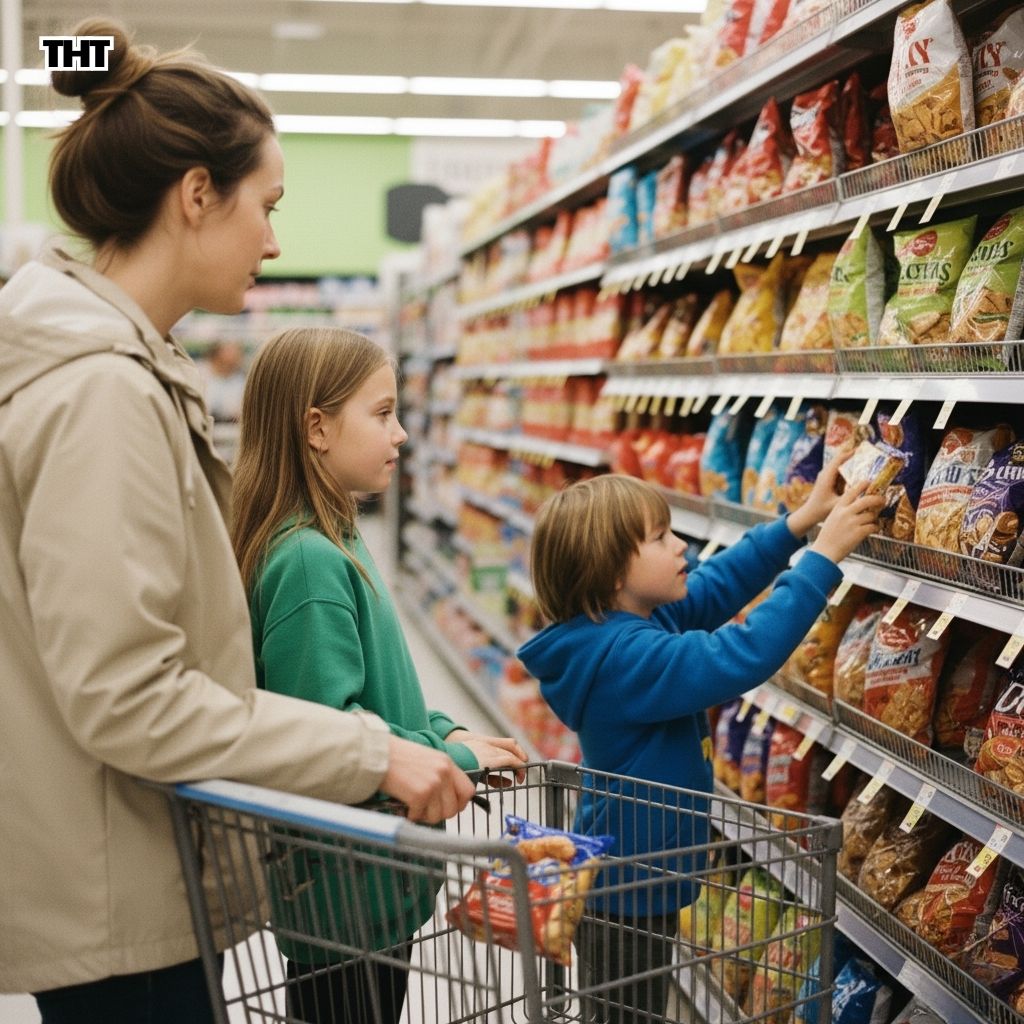
At one point in the store, I started hovering. I could feel myself getting controlling, because I wanted him to make “good choices,” and my definition of good choices is shaped by adult logic, not kid reality.
I caught myself when Miles looked at me and asked, “Is this okay?”
That question can be sweet, but it can also be a sign your kid is outsourcing their decision to you because they’re scared of getting it wrong.
So I stepped back.
I said, “I’m not deciding. You are. I’ll help you check the price and the total.”
That gave him ownership again.
If you try this with your kid, try not to turn it into a test where you’re grading their choices. The learning comes from them feeling the weight of the choice and still being trusted to handle it.
How This Changed the Way He Talks About Wants
All week, something funny kept happening.
Miles would open the pantry and say, “We have snacks because I planned it.”
He offered Nora an apple one day and said, “Take one. We have enough.”
When the gummies were gone, he didn’t ask for more.
He shrugged and said, “That’s the choice I made.”
He said it like an old man reflecting on life decisions.
And then, the best part.
When we were at a store later and he asked for something random, I reminded him gently, “We’re not buying extra snacks this week.”
He didn’t melt down.
He said, “Okay. That’s the budget.”
I nearly fell over in the aisle.
Final Thoughts
Letting Miles handle a small grocery budget didn’t turn him into a tiny financial genius. He still wants candy. He still thinks donuts are a food group. He still believes the best snacks are the ones in shiny packaging.
But it did teach him something that matters.
It taught him that choices are real.
That you can’t always have everything at once.
That planning means thinking about your future self.
That the fun thing now might mean less comfort later, and that comfort later is also important.
It also taught me something, which is that kids can handle more responsibility than we think, as long as the responsibility is sized correctly and supported without control.
Next month, he asked to do it again.
Nora asked if she could do “a bigger category,” which is such a Nora response.
Chris said, “We should make this a thing.”
So now it is a thing.
Not because we’re trying to raise perfect children, but because we’re trying to raise capable humans, the kind who understand that money isn’t just money.
It’s the story of what you choose, what you value, and how you learn to live with trade-offs, even when you really, really want the giant bag of chips.