Why We Celebrate Effort More Than Outcomes in Our Home
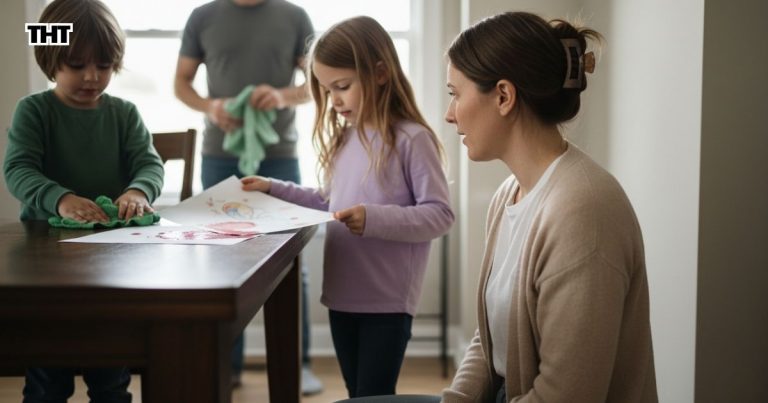
The first time I realized how much adults obsess over outcomes, I was standing in our kitchen holding a perfectly normal piece of paper that had somehow become emotionally radioactive. Nora was seven at the time, sitting at the table with her homework spread out in front of her, shoulders tense, jaw tight, eraser already…
The first time I realized how much adults obsess over outcomes, I was standing in our kitchen holding a perfectly normal piece of paper that had somehow become emotionally radioactive.
Nora was seven at the time, sitting at the table with her homework spread out in front of her, shoulders tense, jaw tight, eraser already worn down from overuse. She slid the paper toward me without looking up and said, “I got one wrong.”
Not I don’t understand this.
Not can you help me.
Just I got one wrong, spoken like a confession.
I glanced down. She had answered nine questions correctly. One was wrong.
My instinct, fast and automatic, was to say, “That’s okay, you still did really well.” I almost added, “You got most of them right,” because that’s what adults are trained to do. We soften disappointment by pointing to results. We reassure by counting wins.
But I stopped myself, because something about the way she said it didn’t sound like she was worried about the grade.
She was worried about what the mistake meant about her.
And that’s when it clicked for me that outcomes were quietly running the emotional economy of our house, even when we thought we were being supportive.
How Outcomes Sneak Into Parenting Without Permission
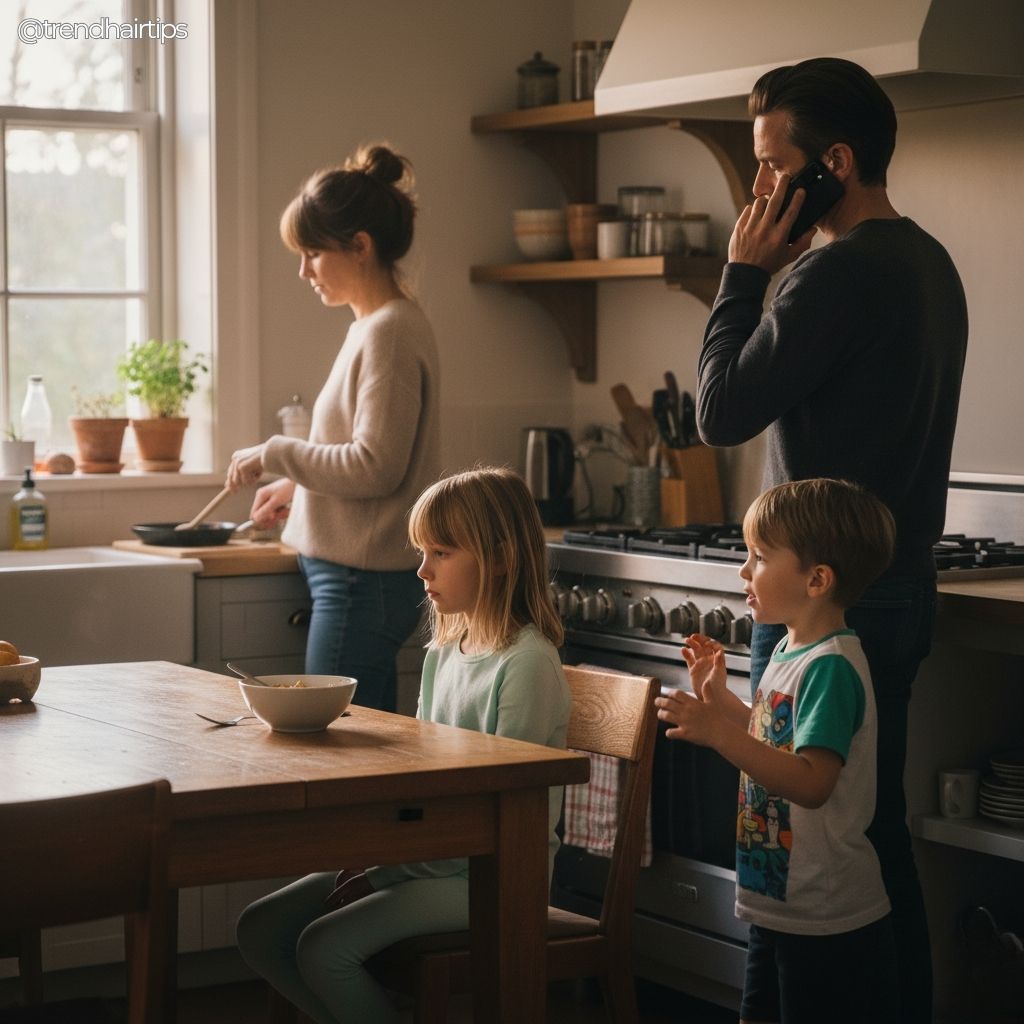
Nobody sits down and decides, “I’m going to raise my kids to believe their worth is tied to performance.” It just happens, slowly, through language we don’t even notice we’re using.
“Good job getting an A.”
“You won!”
“You’re so smart.”
“At least you didn’t fail.”
None of these are cruel. Most of them are loving. But taken together, they tell a very specific story: the result is what matters most.
For a child like Nora, who is sensitive and prone to self-pressure, that story turns into anxiety quickly. She starts aiming not for learning, but for safety. She avoids things she might fail at. She spirals over small mistakes. She treats effort like a gamble instead of a process.
For a child like Miles, who is energetic, stubborn, and emotionally explosive when frustrated, outcomes turn into landmines. If he can’t do something well right away, he quits. If he loses, he melts down. If something doesn’t work the first time, he declares it “stupid” and walks away, because failing feels intolerable.
And if I’m honest, both of those patterns came from somewhere familiar.
They came from us.
From how adults respond when things go right and wrong.
The Day We Accidentally Tested a New Rule
The shift in our home didn’t come from a book or a podcast. It came from a moment that could have gone very differently.
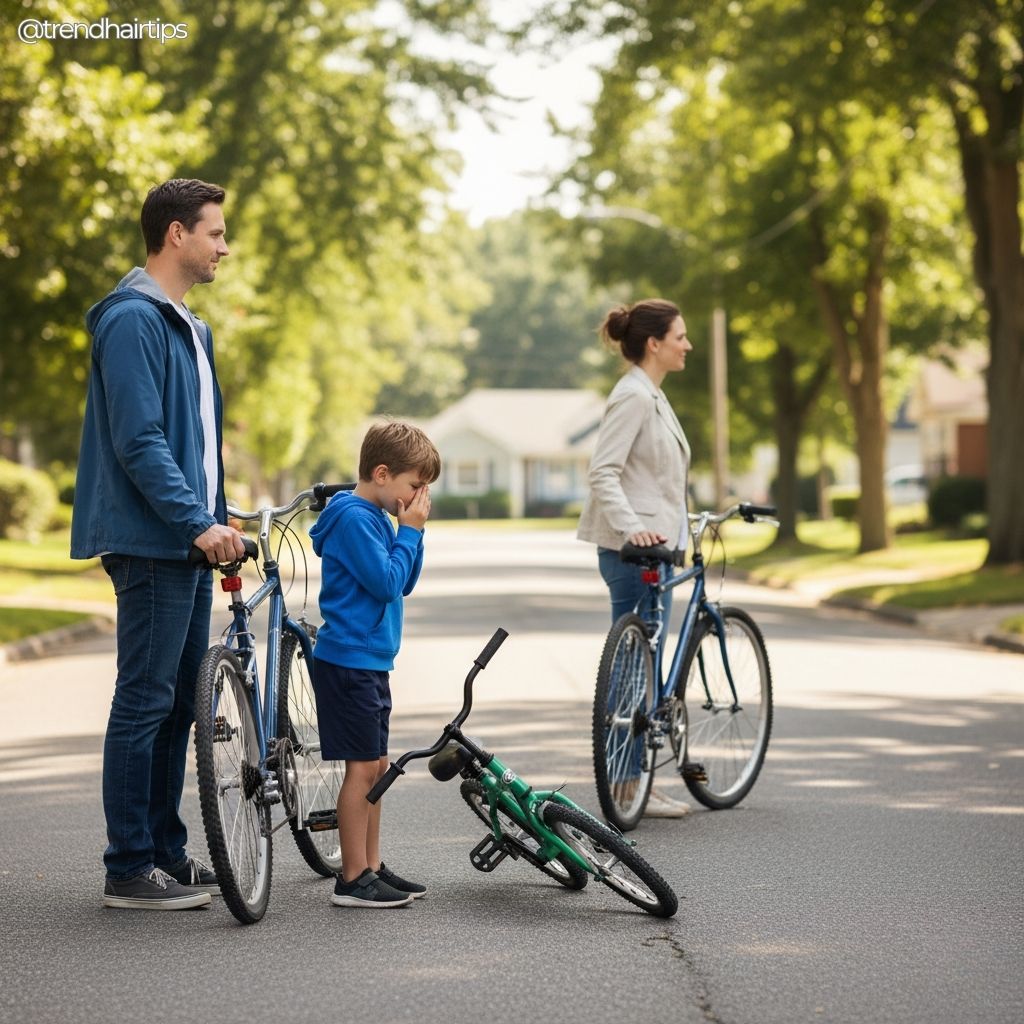
Miles was learning to ride his bike without training wheels. Chris had taken the lead on this one, because he has the patience of someone who sees systems instead of emotions, which is very helpful when a six-year-old is convinced gravity is unfair.
Miles tried. Fell. Tried again. Fell harder.
The third fall scraped his knee, not badly, but enough to sting his pride. He threw the bike down and shouted, “I’m terrible at this!”
That sentence was heavy. It wasn’t about the bike anymore. It was a verdict.
My instinct was to jump in with reassurance, something outcome-focused like, “You’ll get it soon,” or “You’re doing fine,” because I wanted to erase the pain as quickly as possible.
But Chris did something different.
He said, “You stayed on longer that time.”
Miles sniffed. “But I fell.”
“Yes,” Chris said calmly, “and you pedaled twice as far before you fell.”
Miles looked confused, like he wasn’t sure what game we were playing.
Chris continued, “That means your body is learning. Falling is part of the process.”
No cheering. No big praise. Just attention to effort.
Miles picked the bike back up.
Later that night, Nora said quietly, “You didn’t say good job.”
Chris smiled. “He didn’t finish yet.”
That sentence stayed with me, because it captured everything we were about to change.
What We Meant When We Said “Effort”
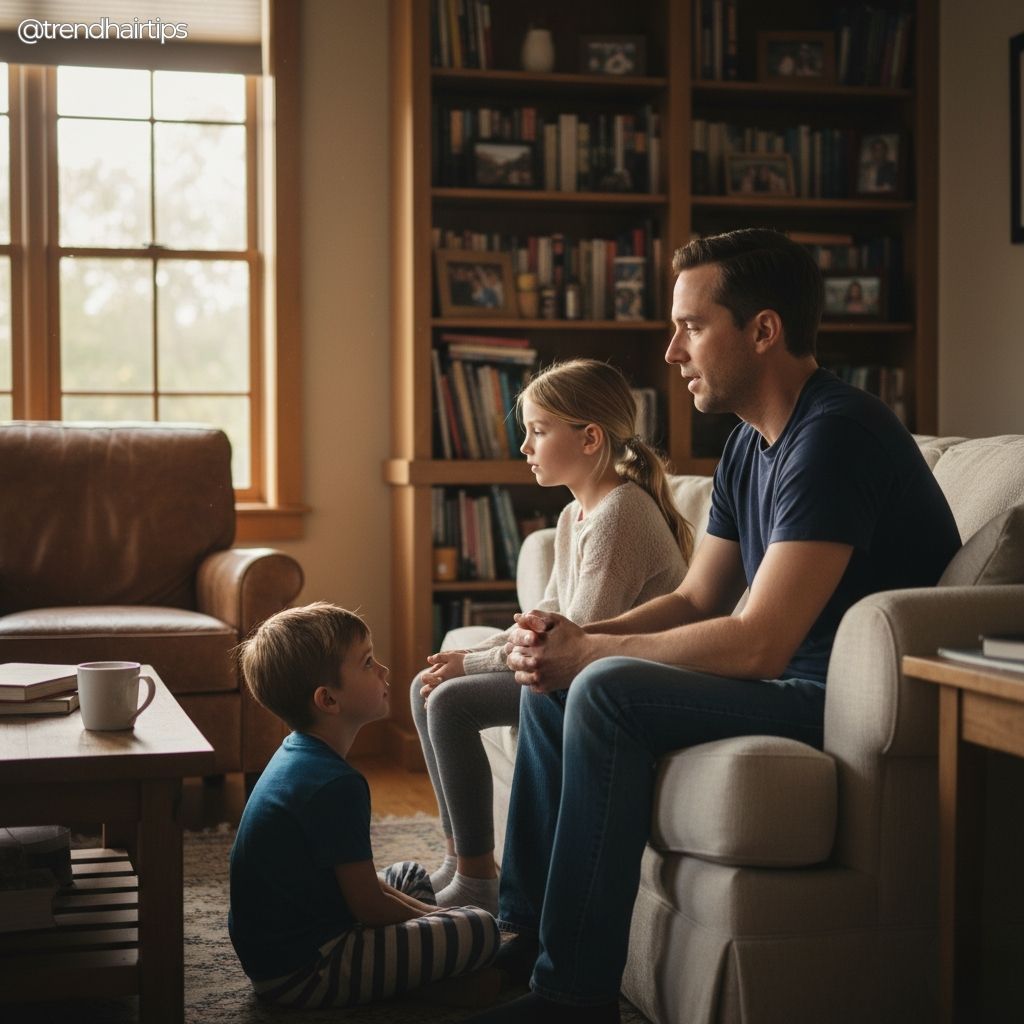
When we say we celebrate effort in our home, we don’t mean participation trophies or pretending outcomes don’t exist. Outcomes matter. Grades exist. Games have winners. Reality does not disappear just because we want kids to feel good.
What we mean is that effort gets the spotlight first.
Effort is what we name.
Effort is what we reflect back.
Effort is what we talk about when emotions are high.
Because effort is the part kids control.
Outcomes are often delayed, unpredictable, or dependent on things outside a child’s influence. Effort is immediate and accessible.
And when effort is the focus, kids stay in the game longer.
How We Changed the Language in Our House
The biggest change wasn’t philosophical. It was linguistic.
We started paying attention to what we said in moments of success and disappointment, and we adjusted deliberately.
Instead of “You’re so smart,” we said, “You worked through that even when it was confusing.”
Instead of “You won,” we said, “You didn’t give up when it got hard.”
Instead of “That’s a great grade,” we said, “Tell me what part felt hardest.”
Instead of “It’s okay, you still did well,” we said, “What did you learn from the part that didn’t work?”
At first, it felt awkward. It didn’t roll off the tongue. We stumbled. Sometimes we forgot and defaulted to old habits, especially when we were tired.
But kids notice patterns faster than adults do.
And they respond to them.

What Changed for Nora
For Nora, celebrating effort took the edge off her perfectionism.
When she brought home work with mistakes, we didn’t rush to reassure or correct. We asked questions.
“What part took the most focus?”
“Where did you slow down?”
“What did you try when you got stuck?”
At first, she still fixated on what went wrong. But over time, something shifted.
She started talking about process.
She said things like, “I tried a different way,” or “I went back and checked,” or “I almost erased it, but then I didn’t.”
Those sentences matter. They show ownership of learning instead of fear of evaluation.
Her anxiety didn’t disappear, because that’s not how brains work, but it softened. Mistakes stopped feeling like threats and started feeling like information.
What Changed for Miles
For Miles, the change showed up in persistence.
He still gets frustrated. He still hates losing. He still yells sometimes when things don’t go his way.
But now, when something goes wrong, we don’t jump to the finish line.
We say, “You kept trying.”
We say, “You came back after you were upset.”
We say, “You stayed with it longer than last time.”
And slowly, he has started doing that himself.
One afternoon, after failing to build a Lego structure for the third time, he sighed and said, “I’m not done yet.”
Not I’m bad at this.
Not this is stupid.
Just I’m not done yet.
That sentence is effort in its purest form.
The Part Adults Struggle With Most
Here’s the uncomfortable truth: celebrating effort requires adults to tolerate discomfort.
It means sitting with a child’s frustration without rushing to fix it. It means not rescuing them emotionally just because their feelings make us uneasy. It means accepting that learning is messy, slow, and often unsatisfying in the short term.
Outcomes give us closure. Effort asks us to stay open.
I had to unlearn my own habits, especially my instinct to tie reassurance to results. I had to practice saying less, listening more, and trusting that kids don’t need constant validation to stay motivated. They need accurate reflection.
Actionable Ways We Practice This Daily
Here’s what actually works for us, beyond theory.
We comment on what we saw, not how we feel about it.
We avoid praise that labels identity and focus on actions instead.
We let kids narrate their own experience before jumping in.
We resist the urge to compare outcomes, even subtly.
We normalize unfinished work and ongoing learning.
And when outcomes do matter, like tests or competitions, we talk about them after emotions settle, not in the heat of the moment.
The Part I Messed Up, So You Don’t Have To
At first, I overcorrected.
I became so focused on effort that I avoided acknowledging success at all, which made things feel flat and confusing. Kids still want their achievements recognized. They just don’t want them to be the only thing that counts.
What helped was balance.
We celebrate outcomes after effort has been named. Not instead of it.
Final Thoughts
Celebrating effort more than outcomes didn’t make our kids less ambitious. It made them more resilient.
It didn’t lower standards. It changed what progress looks like.
Now, when things don’t go as planned, our kids are more likely to ask, “What can I try next?” instead of “What’s wrong with me?”
And when things do go well, the pride they feel is deeper, because it’s rooted in something they understand and control.
Effort isn’t flashy. It doesn’t come with trophies or applause. But it’s the part of growth that lasts.
In our home, effort is what we notice first.
Because effort is where learning lives.